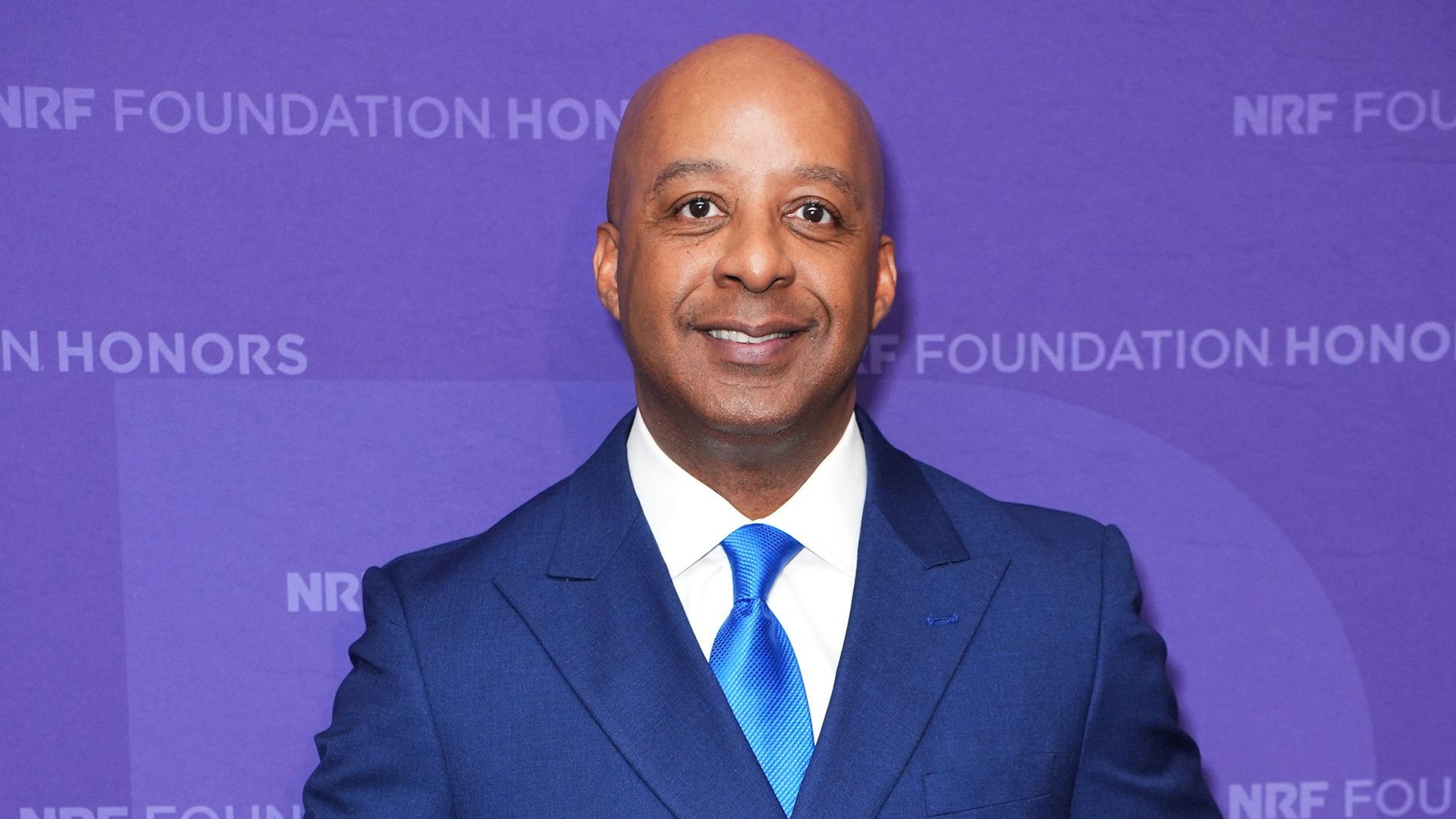
When Ellison stepped in as CEO back in July 2018, Lowe’s was making money, but it was all over the place. Home Depot was beating them on sales. Core retail tech was falling behind. Activist investors at D.E. Shaw were breathing down their necks. The company didn’t lack big ideas—it lacked reliable execution. Stores ran out of stock. Merchandising was messy. The website was weak, and professional contractors were largely ignored.
Ellison’s first big move? Painful subtraction.
He ripped off the bandage, taking massive financial hits right away to focus on the core business. Lowe’s shut down all 99 Orchard Supply Hardware stores. They closed dozens of locations across the US and Canada, pulled out of Mexico, and dumped side projects. That clean-up triggered roughly $2.1 billion in restructuring charges for fiscal 2018. Operating margins took a temporary beating, dropping to 5.64% compared to an adjusted 8.56%.
Then came the rebuild.
Ellison revamped inventory depth, supply chains, store operations, digital tech, and the offer for Pros. The payoff was massive. From reports, by fiscal 2025, annual sales climbed to $86.3 billion, up from $71.3 billion in 2018. Adjusted operating margins expanded 355 basis points to hit 12.11%. Better yet, Pro revenue grew from 19% of the business to 30%.
Two Core Principles that Drove the Entire Turnaround
Bake the Cake Before Adding Icing
Don’t blow money on flashy innovations when basic customer expectations are broken. As Ellison put it during a National Retail Federation interview, “You can’t put the icing before the cake.” He pulled capital out of side ventures and shoved it straight into in-stock reliability, supply chain capacity, merchandising systems, and better store tech.
Segment Before You Optimize
Understand what each specific customer actually needs before tweaking service or inventory. In Ellison’s words, “The first thing you have to do as a company is decide who your core customer is.” Lowe’s split its focus into distinct groups: standard DIYers, do-it-for-me shoppers, and Pro contractors. For Pros, they dialed in job-lot quantities, brand-name gear, competitive pricing, faster loading, and rapid delivery.
The Playbook Honed through Hard Experience.
Before Lowe’s, Ellison ran J.C. Penney. The effort was a different story—a turnaround that never really escaped gravity. He inherited a sinking ship, fixed pieces of the engine, but couldn’t spark a full commercial recovery. Sales dipped 0.3% in fiscal 2017 to $12.51 billion, while same-store sales scraped by with a tiny 0.1% bump. By Q1 2018, the company lost an adjusted $69 million.
J.C. Penney taught him a vital lesson: trying to fix everything at once in a broken retail environment will kill you. At Lowe’s, he narrowed his scope strictly to controllable, operational wins in a sector he already knew inside out.
He didn’t do it alone. The board backed his mandate, and activist pressure kept the momentum high. Ellison then assembled a seasoned team of retail veterans—Bill Boltz handling merchandising, Joe McFarland over stores, and Seemantini Godbole leading technology. By mixing Home Depot operational playbooks and Target-style digital expertise with Lowe’s massive footprint, they diagnosed problems and executed fixes fast.
The takeaway for your own business? Freeze the side bets.
Run a quick 30-day fundamentals audit. Pick your main customer segment and test three simple promises: product availability, checkout speed, and fulfillment accuracy. Put every non-core project on ice until your biggest operational failure has a dedicated owner, a clear weekly metric, and real budget behind the fix.