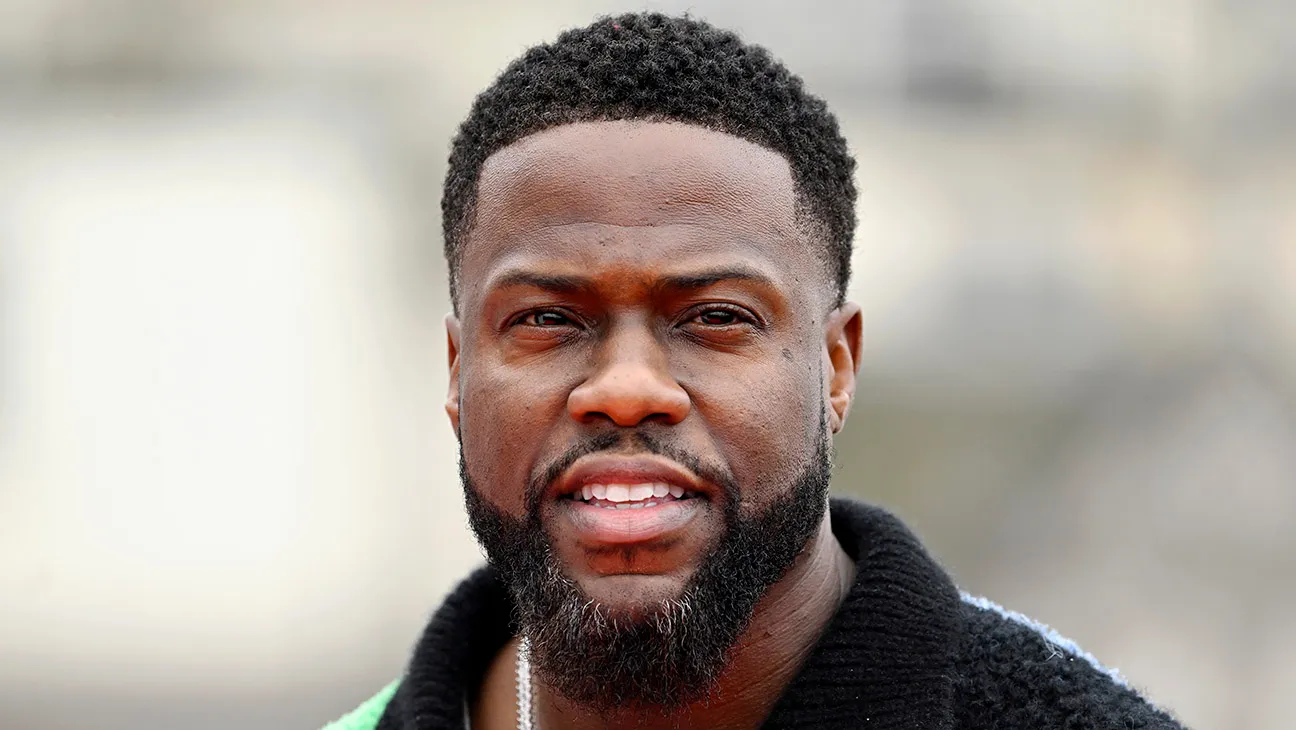
Kevin Hart used to count his money in twenties. Not investment tranches or box-office multiples, but twenty-dollar bills handed to him after a set at a Philadelphia comedy club, back when $25 was the entire payday for a night’s work.
He did it again the next night, and the night after that. Some weekends, he would squeeze in 25 to 28 sets across multiple clubs, sometimes travelling between cities just to keep the numbers working. Hart has said that period of his career lasted for roughly 13 years before the industry began to catch up with him.
It is worth sitting with that number because almost everything that came afterwards gets compressed into an overnight-success story. The stadium tours, the Hollywood paydays, the production companies, the investments and the businesses carrying his name can make it seem as though Hart simply became famous and started making millions.
The reality was considerably slower. He spent more than a decade building the audience that eventually gave him the leverage to make serious money.
I’m going to go and become the greatest, biggest comedian in the world, and then Hollywood will start calling me up and not making me audition. – Kevin Hart
The Tour That Changed the Math
Stand-up was never simply a stepping stone to Hart’s film career. It was the foundation of it.
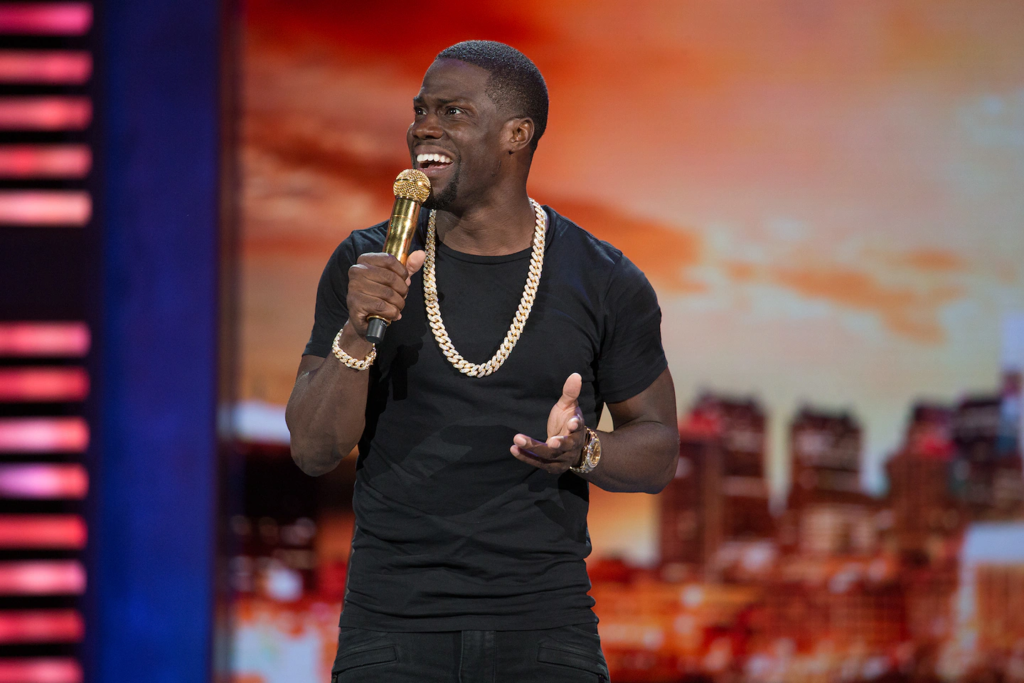
As his profile grew, Hart turned his comedy following into one of the most successful touring businesses in entertainment. His major tours have generated an estimated $190 million or more in gross ticket revenue, according to industry estimates, with audiences eventually reaching the size of major concert acts.
The clearest example came in August 2015, when Hart’s What Now? tour sold out Philadelphia’s Lincoln Financial Field. More than 53,000 people showed up to see a comedian perform in an NFL stadium, making Hart the first comedian to headline and sell out an NFL stadium.
The achievement was significant for more than the record itself. Hart had demonstrated that his audience would follow him beyond comedy clubs and traditional theatres into some of the largest venues in the country. He had effectively turned his personal popularity into a scalable business.
That distinction would become increasingly important as his career developed. Hart was not simply becoming more famous; he was building an audience that he could take with him from one business to another.
From Comedy to Hollywood
His film career followed a similar progression. Hart started with small roles, including an appearance in Scary Movie 3, before moving into supporting and leading roles in films such as Central Intelligence, Ride Along, Night School, The Secret Life of Pets and the Jumanji franchise.
His films have collectively generated more than $4 billion at the worldwide box office, according to industry and studio figures. By the time Hart was established as one of Hollywood’s most bankable comedy stars, his compensation had moved into the tens of millions for major projects. His reported quote for Jumanji: The Next Level, for example, was in the region of $25 million to $30 million depending on performance.
The important part of that progression is not simply the size of the cheques. It is what happened to Hart’s bargaining power as his audience grew.
The clubs gave him experience. Stand-up gave him an audience. Touring demonstrated that the audience would pay to see him. Hollywood then gave him another way to monetise the same popularity.
By this point, Hart was no longer dependent on a single source of income. He had built a personal brand that could generate money across several parts of the entertainment business.
Hartbeat: The $650M Mogul Bet
In 2022, Hart made his biggest business move yet. Instead of putting all his attention into the next film or comedy tour, he started to build the infrastructure around his career.
Hart merged HartBeat Productions and Laugh Out Loud into a single company, Hartbeat, and brought in private-equity firm Abry Partners. Abry invested $100 million for a 15% stake, giving the company a transaction valuation of approximately $650 million. Hart retained the remaining 85%.
The ambition was clear. Hart did not want to remain only the talent. He wanted to become the studio.
It was a strategy other major entertainers were pursuing as well. Reese Witherspoon had built Hello Sunshine, while LeBron James and Maverick Carter had turned SpringHill into a broader media business. Hart was attempting something similar: use the audience and commercial power he had built as a performer to create a company that could operate beyond his individual appearances.
That was an ambitious bet, and it did not play out exactly as planned.
When the Mogul Bet Got Harder
Hartbeat’s expansion eventually collided with a difficult media environment. Beginning in late 2024, the company cut roughly a quarter of its workforce. Two CEOs departed within 15 months of the 2022 merger, and Hart stepped in to lead the company himself in early 2025.
The company also became involved in legal disputes with former podcast executives, with Hartbeat countersuing after being sued.
Then came another significant change. In January 2026, Hart entered into a new arrangement with Authentic Brands Group involving the licensing of his name and likeness. The deal provided cash that was used in part to buy Abry Partners out of its Hartbeat stake.
That effectively brought the original Abry transaction to an end and, importantly, means the $650 million figure should be understood as Hartbeat’s 2022 transaction valuation, not its current valuation.
Hart has pushed back against suggestions that Hartbeat is simply collapsing, describing the changes as a restructuring. The company is now operating on a smaller footing, with Hart no longer involved in its day-to-day management.
That part of the story matters because it keeps the financial picture honest. Hart made a very large bet on becoming a media mogul, and the business ultimately had to be restructured.
Turning a Personal Brand Into a Portfolio
Hart’s approach outside film and stand-up has increasingly followed the same basic principle: take an audience he already owns access to and use that attention to build businesses in other categories.
Through his venture activities, Hart has invested in consumer companies and brands, including Gran Coramino tequila. The tequila business is particularly interesting because it shows Hart moving beyond simply licensing his celebrity. He became part of the brand-building process itself, using his audience and cultural reach to help establish a product in a competitive consumer category.
He has also maintained a significant relationship with Netflix. His partnership with the streaming company has included multiple film projects, giving him another source of income and creative control outside the traditional studio system.
The pattern is consistent. Hart’s career has gradually moved him further away from being paid only for individual performances and towards owning, investing in or participating in businesses that can continue generating value around his name.
That is a much bigger financial idea than celebrity endorsement.
What Kevin Hart’s Wealth Actually Represents
Kevin Hart’s current net worth is commonly estimated at around $400 million, although there is no publicly audited figure that establishes his exact personal wealth. Celebrity net-worth estimates should therefore be treated as approximations rather than a precise statement of what sits in his bank accounts.
The number is impressive, but the more interesting question is how he got there.
Hart did not have a single movie that suddenly made him extraordinarily wealthy. His fortune was built across stand-up, touring, film, television, production, streaming partnerships, endorsements, investments and consumer businesses. More importantly, each stage of his career gave him greater leverage in the next one.
That is what makes the early $25 sets so relevant. The money was small, but the asset Hart was building was not. Every performance helped him become better known, strengthen his following and prove that people would pay to see him again.
Eventually, the audience itself became a form of capital.
What Hart did have was a willingness to keep building. When the audience grew, he did not simply use it to command a larger appearance fee. He used it to create new opportunities.
The Lesson in the $25 Sets
There is a temptation to look at Hart’s career backwards and make the outcome seem inevitable. It wasn’t. For more than a decade, he worked comedy clubs for small cheques, sometimes doing an exhausting number of shows simply to make a living. There was no guarantee that the work would eventually lead to stadiums, Hollywood or hundreds of millions of dollars.
What Hart did have was a willingness to keep building. When the audience grew, he did not simply use it to command a larger appearance fee. He used it to create new opportunities. Comedy became touring. Touring strengthened his position in Hollywood. Hollywood gave him the money and visibility to build production companies, partnerships and investments. Eventually, he turn those pieces into a media company of his own.
Hart’s career shows the difference between earning more money and building more leverage. A comedian can make a good living from performing. A star can make millions from films. But the bigger financial opportunity comes when the person who has spent years creating the audience begins to own businesses, brands and intellectual property that benefit from that audience.
Hart started out being paid $25 to make people laugh in a room. More than two decades later, the audience he built has become the foundation for a much larger business portfolio. Hart kept finding ways to turn the success of one chapter into the starting point for the next.