Clock ticking. Two minutes, four seconds left on the arena board in Milan, and gold was walking right out the door.
Down 1–0 against Canada in the championship round, Team USA pulled their goalie. Empty net behind them. Six skaters on the ice. The margin for error wasn’t just thin—it was completely gone. One bad pass, one blocked shot turned fast-break, and Canada sweeps the puck into an open net to end the night.
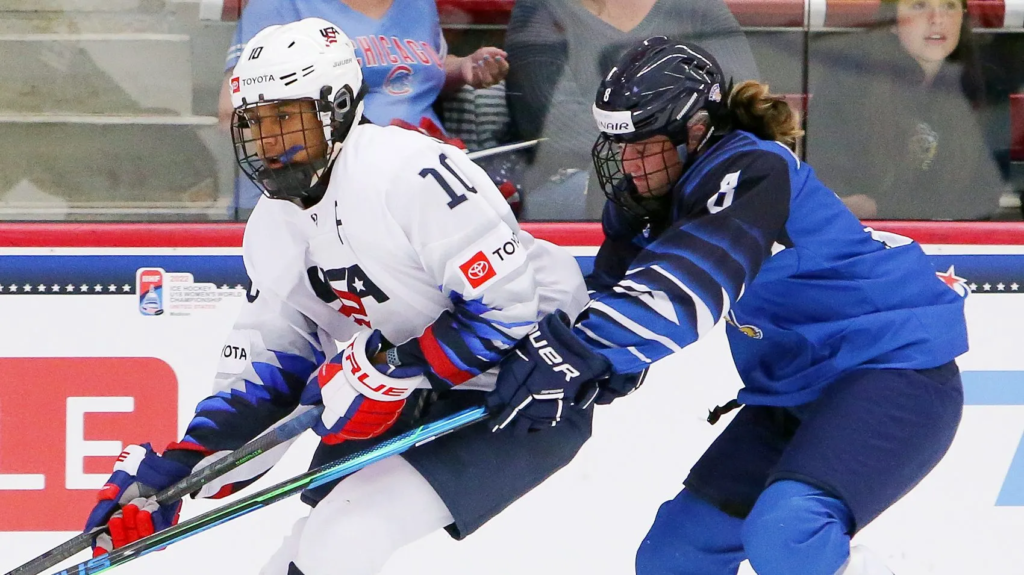
Up at the blue line, 21-year-old Laila Edwards caught a loose puck along the wall with a Canadian defender charging hard. She didn’t panic. She didn’t dump it into the corner to buy five seconds. Standing tall at 6-foot-1, Edwards leaned into her edge work, settled the puck, and snapped a low wrist shot straight through four bodies in traffic. Team captain Hilary Knight got a stick on it out front, tipping it home to tie the game at 1–1.
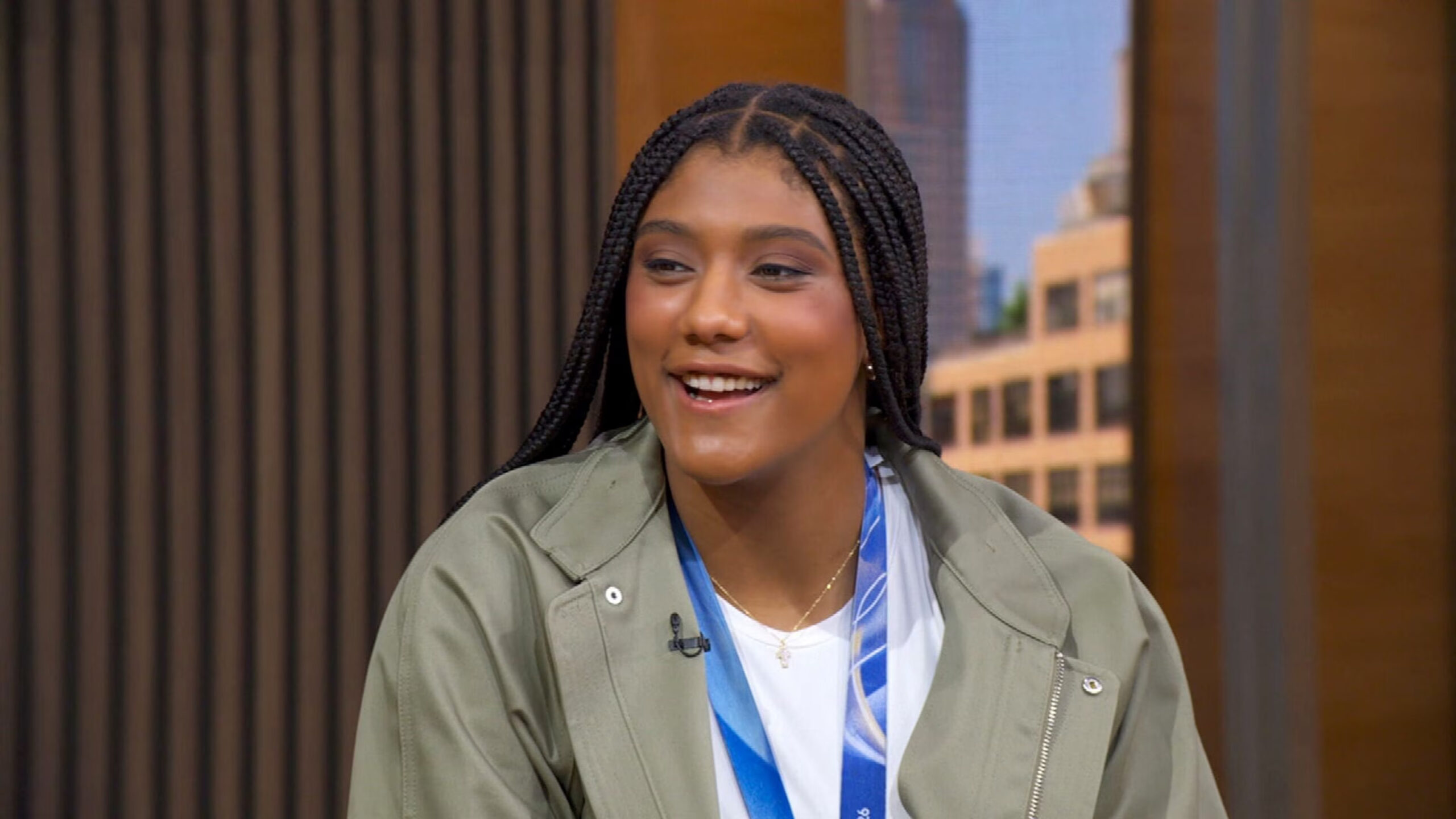
That single assist forced sudden-death overtime, setting up the game-winning goal that brought Olympic gold back to Team USA . It also marked the climax of a historic run: Edwards finished the Milano Cortina 2026 Games as the first Black woman to skate, score, and win gold for the U.S. women’s national team in Olympic history, racking up two goals and six assists while leading all tournament defenders in points.
No matter how many people look like you or how many people don’t… if you love it, you belong. – Laila Edwards
How She Thinks: Balance and Belonging
You don’t play at this level without figuring out how to shut off the noise. For Edwards, that means keeping hockey from swallowing her entire identity whole.
When the ice clears, she steps out of the rink completely. During her standout college years with the Wisconsin Badgers women’s ice hockey team, she made a habit of unplugging after practices—finding quiet coffee spots around campus, diving into books by favorite authors like Jodi Picoult, and keeping up with her studies in social work.
“I want to be as balanced as I can because not everything is about hockey,” she noted when asked about staying grounded amid international spotlight.
That grounded mindset carries over into how she navigates spaces where few people look like her. Coming up through youth leagues in Cleveland Heights, Ohio
, she was almost always the only Black girl on the roster—and often the only girl on the team entirely. Rather than letting that isolation weigh on her, she relied on a simple personal philosophy: if you love the game and put in the work, you belong in the room.
“There’s no such thing as not belonging in a space if you love it,” Edwards told BET News
during her historic Olympic run. “No matter how many people look like you or how many people don’t… if you love it, you belong.”
I want to be as balanced as I can because not everything is about hockey – Laila Edwards
The Realities of Growing Up in the Game
Long before reaching the Olympics, Edwards had to deal with the harsh financial realities that choke out talent in winter sports.
Elite youth hockey is notoriously expensive. Travel fees, private ice time, high-end gear, and specialized academies cost tens of thousands of dollars a year. When Edwards left Ohio at age 13 to attend the elite prep program at Bishop Kearney High School
in Rochester, New York, her family hit serious financial walls trying to keep up with tuition and tournament costs.
Her career only stayed on track because community members, local donors, and grassroots youth programs stepped in to cover costs. Having come that close to being priced out of the sport, Edwards hasn’t forgotten what it felt like. Today, she uses her platform to support organizations like Ice Hockey in Harlem
, advocating for financial accessibility so the next generation of kids isn’t turned away by a price tag.
The Core Network
Behind her record-breaking trajectory stands a tight-knit inner circle:
- Family Anchor:Her parents Charone and Robert, her brother Bobby, her sister Chayla (who shared the ice with her at Wisconsin), and her 91-year-old grandmother form the bedrock of her support system.
- Community Champions: High-profile Cleveland figures—including NFL star Travis Kelce and NBA veteran Larry Nance Jr.—backed public fundraising efforts to ensure her family could travel to Italy to watch her play in person.
- Elite Coaching: Playing under legendary head coach Mark Johnson at Wisconsin gave her access to a championship-tested pipeline that honed her rare mix of size, vision, and defensive flexibility.
- Next-Gen Impact: She actively stays in touch with younger players across North America, serving as an approachable mentor for young girls navigating minority status in youth leagues.
The Takeaway for High Performers
If there is one lesson to take from Laila Edwards’ rise, it’s this: Turn visibility into leverage.
When you break new ground in an industry or sport, the narrative often tries to reduce you to a trivia question or a token figurehead. Edwards flipped that dynamic on its head. She embraced the spotlight early, spoke candidly about representation, and channeled public interest directly toward expanding access for others—all while maintaining world-class performance on the ice. True trailblazers don’t just open the door; they build a ramp behind them.
Frequently Asked Questions About Laila Edwards
What position did Laila Edwards play at the 2026 Winter Olympics?
Although she spent most of her career as a forward, Team USA coaches shifted her to defense to capitalize on her 6-foot-1 frame and puck-moving ability.She excelled in the role, leading all defenders in scoring.
How many medals has she won with Team USA?
She won an Olympic gold medal at the 2026 Winter Games, along with World Championship gold (2025) and silver (2024), where she was named Tournament MVP at age 20.
When did she make her senior national team debut?
Edwards made history in November 2023 when she became the first Black woman to play for the senior U.S. women’s national ice hockey team during the Rivalry Series against Canada.
Where was she drafted professionally?
In June 2026, Edwards was selected fourth overall in the PWHL Draft by PWHL San Jose, becoming the highest-selected Black player in league history.