When Wella Company acquired Briogeo in 2022, founder Nancy Twine stayed on as CEO. She had spent nine years building the hair-care brand; Wella brought research, marketing and global operations. Twine later described the sale as a nine-figure deal.
Briogeo is one of two nine-figure exits in this article. The other deals were larger: Forbes estimated Unilever’s offer for Sundial Brands at $1.6 billion, while Viacom valued its acquisition of BET Holdings at about $3 billion.
What Buyers Paid For—and What Founders Sold
BET: An Established Network and Audience
Viacom completed its acquisition of BET Holdings in 2001. Its SEC filing put the transaction at approximately $3 billion. The consideration consisted mainly of newly issued Viacom shares and the assumption of about $590 million in debt.
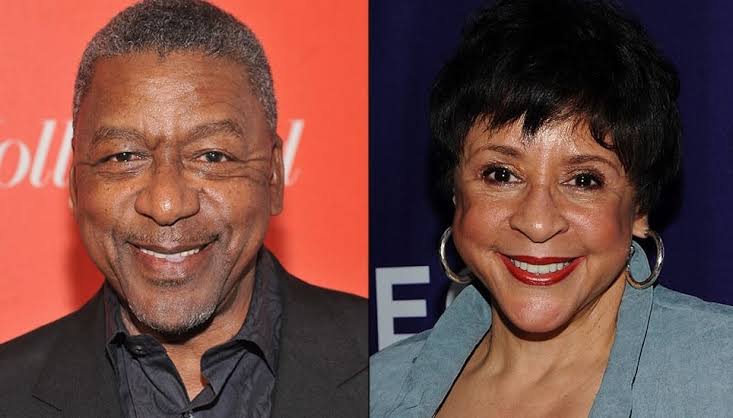
Robert L. Johnson and Sheila Johnson co-founded Black Entertainment Television and built it into a national cable business. Viacom acquired the company operating BET and BET Jazz, along with its programming and established audience. Robert Johnson remained BET’s chairman and chief executive after the sale, according to contemporary reporting.
The $3 billion figure was not a cash payout to either founder. The terms and their respective ownership stakes shaped what they received.
Tru Optik: A Platform for Streaming Audiences
André Swanston described the difficulty of getting investor meetings in a Connecticut Mirror profile:
“I could not even get a meeting with a lot of the firms to make the pitch.” — André Swanston
TransUnion had invested in Tru Optik before acquiring the data company in 2020. The Connecticut Mirror reported the sale as a nine-figure exit.
Tru Optik built a data marketplace and tools for identifying audiences across connected television, streaming audio and gaming. TransUnion said thousands of brands used the marketplace and reported more than 600% year-over-year growth in Tru Optik’s data-management platform. The acquisition extended TransUnion’s identity and marketing services into streaming, where advertisers were looking for ways to identify audiences and measure campaigns.
Sundial: A Sale Shaped by What Dennis Wanted to Preserve
Unilever acquired Sundial Brands in 2017. Forbes reported the offer at an estimated $1.6 billion. Richelieu Dennis, his mother Mary, and Nyema Tubman founded the company, which owned SheaMoisture and other personal-care brands.
Sundial had built products for consumers often underserved by large beauty companies. It also had relationships with producers in Africa. Forbes reported that Unilever executives presented the company’s African supply chain during acquisition discussions.
Dennis wanted a partner that would protect Sundial’s “community commerce” model, which directed 10% of revenue from certain products back into communities. In a Black Enterprise interview, he said:
“The first thing that was important to me was that we would find a partner that could not just guarantee that they would preserve that model of 10% of our community commerce products’ revenue going back into our community.” — Richelieu Dennis
The partnership also established the New Voices Fund. Unilever committed an initial $50 million in 2017 and said it aimed to grow the fund to $100 million by attracting other investors. Dennis announced its official launch in 2018 as a $100 million fund for businesses owned or managed by women of colour. He had started developing it before acquisition talks.
Briogeo: Twine Stayed On to Lead the Company
Twine launched Briogeo in 2013 after working in finance. The brand focused on clean and natural hair care for a range of hair types and textures. Wella announced an agreement to acquire the company in 2022 and completed the deal that June.
Wella said Briogeo complemented its portfolio and could grow with support from its research and development, marketing and global operations. Twine remained CEO after the acquisition, according to Wella’s announcement. She later wrote that she sold the company for a nine-figure sum.
The sale brought Briogeo into a larger operation while leaving its founder in charge of the business.
The Price Is Only Part of an Exit
These sales involved different assets: a cable network, streaming-audience data and two consumer brands. In each case, the buyer could add something to an existing business. Viacom took on a network and its audience. TransUnion entered streaming. Unilever gained Sundial’s portfolio and supply-chain relationships. Wella added a hair-care brand it said could grow with its global resources.
The public sale price rarely tells the whole story for a founder. A deal can include shares or assumed debt; the company may have other owners. A founder’s proceeds depend on their stake and the transaction terms.
Nor does a sale always end a founder’s involvement. Twine stayed on as CEO, and Robert Johnson remained at BET after Viacom’s acquisition. For founders considering an exit, the deal can shape what happens to the company, the founder’s role and any commitments they want the buyer to honour.
FAQs
Which companies in this article were sold for nine figures?
Twine later described Briogeo’s sale as a nine-figure deal. The Connecticut Mirror reported Tru Optik’s sale as a nine-figure exit.
Which deals were valued in the billions?
Viacom valued its acquisition of BET Holdings at approximately $3 billion. Forbes reported Unilever’s offer for Sundial Brands at an estimated $1.6 billion.
Does a company’s sale price show what its founder received?
No. The transaction may include shares or assumed debt, and a company may have other shareholders. Personal proceeds depend on the founder’s stake and the deal terms.
Can a founder remain after selling a company?
Yes. Nancy Twine remained CEO of Briogeo after Wella acquired it. Robert L. Johnson remained BET’s chairman and chief executive after Viacom’s acquisition.
Why do large companies acquire founder-led businesses?
A buyer may want an established audience, products, technology, customer relationships or access to a market. The four deals here show different combinations of those assets.
Is selling the only way for a founder to realise value?
No. Founders can retain ownership, take profits, sell part of their stake or transfer the business to family or employees. A full sale is one route to liquidity.