In 2011, RLJ Lodging Trust sold 27.5 million shares at $18 each, raising $495 million in gross proceeds. The public offering took a hotel platform built by Thomas J. Baltimore Jr. and gave investors a way to own shares in its properties. That shift—from controlling buildings to controlling the companies and capital behind them—runs through the stories of these Black real estate moguls.
They work in different parts of the industry. Some develop homes and hotels; others manage institutional money, finance projects or advise property owners. This is not a ranking by personal wealth. The figures below refer to company activity, transactions or portfolios, not the leaders’ individual fortunes.
1. Don Peebles — The Peebles Corporation
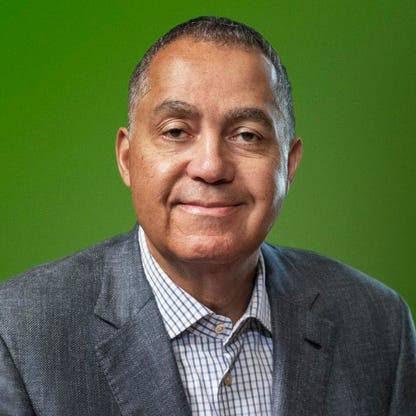
Don Peebles founded The Peebles Corporation in 1983. The company reports that its active and completed developments cover more than 10 million square feet and represent over $8 billion in investment value. Those are company figures for its development portfolio.
The firm works across residential, hospitality, retail and mixed-use projects, often pursuing complicated urban sites with public partners. The developer has to bring together land, approvals, financing and construction teams before a project can become an operating property. The company’s project portfolio shows the range of developments it has pursued.
2. Victor MacFarlane — MacFarlane Partners
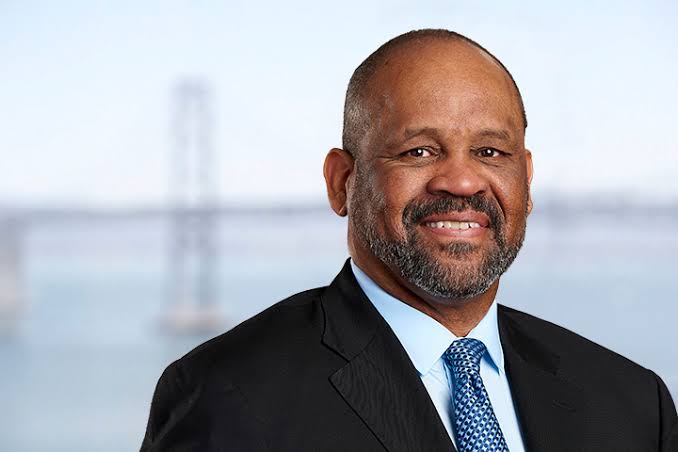
Victor MacFarlane founded MacFarlane Partners in 1987 to invest in real estate for pension funds and other institutions. The firm reports more than $20 billion invested on behalf of over 40 institutional investors in more than 30 U.S. metro markets. The $20 billion figure reflects cumulative investment, not current assets under management.
MacFarlane’s role has changed over time. He stepped down as CEO in 2022; the firm appointed Landon Taylor CEO of its investment management group. MacFarlane remains founder and executive chairman. The distinction matters: he built the platform, but no longer holds the top executive job.
The firm invests in property and can also provide preferred equity, mezzanine debt and joint-venture capital to other developers. Its influence comes from directing institutional money into projects, as well as developing and managing properties itself.
3. Daryl J. Carter — Avanath Capital Management
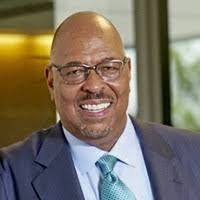
Avanath acquires, renovates, develops and operates apartment communities, with a focus on affordable and workforce housing. Since its 2008 founding, the firm says it has acquired more than $4 billion in multifamily assets across 16 states, representing about 16,000 units. The measure reflects acquisitions, not necessarily the current portfolio.
Daryl Carter previously co-founded Capri Capital with Quintin Primo. At Avanath, the business brings institutional investment into apartments for residents often overlooked by investors focused on higher rents. The work does not end at acquisition: renovations, upkeep, financing and property management affect both the investment and people’s homes.
4. Quintin E. Primo III — Capri Investment Group
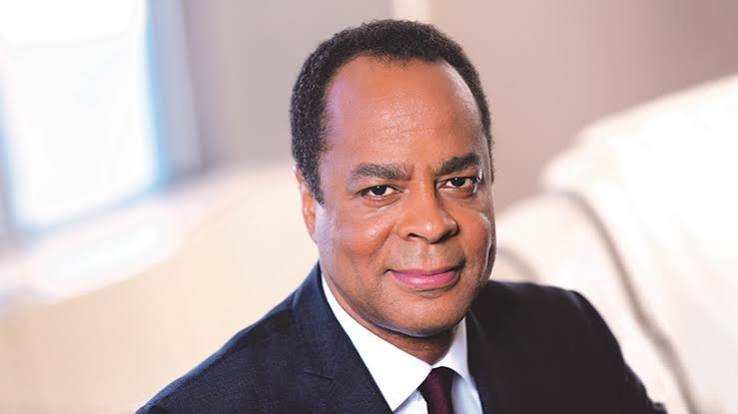
Quintin Primo co-founded Capri Investment Group with Carter in 1992. The firm first built its business advising pension funds and investing their capital in real estate. A 2022 RE Journals profile reported that Capri had invested more than $14 billion since its founding. The figure is cumulative activity, not current assets under management.
Capri’s institutional business also faced losses. In 2019, the Illinois Teachers’ Retirement System ended the firm’s management of a $1 billion real estate portfolio, following the withdrawal of other pension assets. The episode forced a search for new capital and a greater emphasis on direct investment and development. Capri later acquired Chicago’s Thompson Center, which Google plans to redevelop for its offices.
Most entrepreneurs, universally, experience much more failure than your successes, but the successes get all the attention. — Quintin E. Primo III
5. Tammy K. Jones — Basis Investment Group
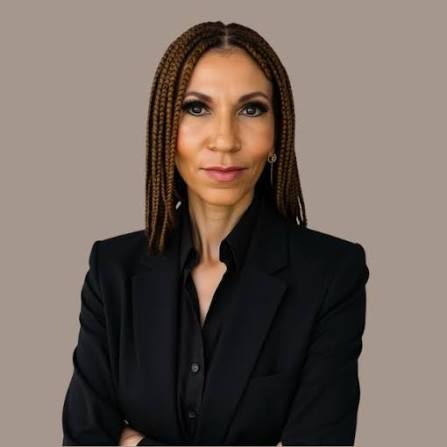
Tammy K. Jones founded Basis Investment Group in 2009. The firm invests and lends across commercial real estate debt and equity. Basis currently reports more than $9.2 billion in closed transactions across 47 states; that is cumulative transaction volume, not a measure of assets held today.
In 2026, Basis sold its agency lending platform to Zions Bancorporation. The sale included the team, capabilities and mortgage servicing rights connected to its Fannie Mae and Freddie Mac lending programs. Basis continued its broader investment business and entered a strategic partnership with Zions. The transaction shows how a firm can sell one operating arm while continuing to build through other strategies.
Jones has spoken about the narrow path for women and minorities in the industry.
I don’t want to be the only one. — Tammy K. Jones
6. Buwa Binitie — Dantes Partners and Dumas Collective
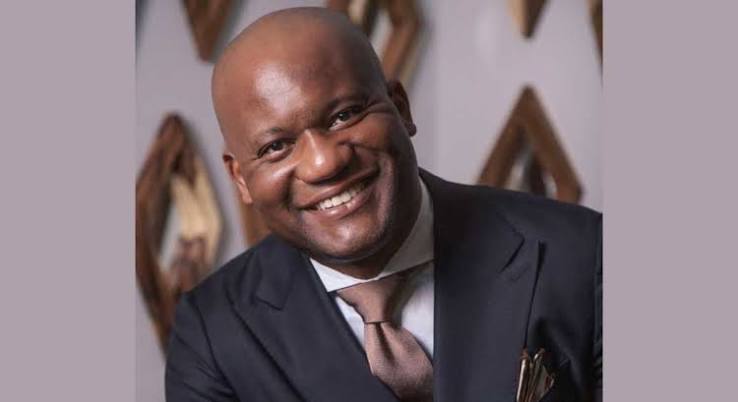
Buwa Binitie leads Dumas Collective, a real estate group that includes Dantes Partners, its development arm. The company reports that it has financed, developed and acquired more than 9,000 units, with combined financing and investment value above $2.9 billion. It says it currently manages more than 2,000 units. These are group-reported measures of activity and management.
Affordable housing often depends on several funding sources, including tax credits, public financing and private capital. Dantes Partners’ work requires arranging those pieces as well as securing a site and delivering housing. Dumas Collective’s management operations extend its involvement beyond construction.
7. Meredith Marshall — BRP Companies
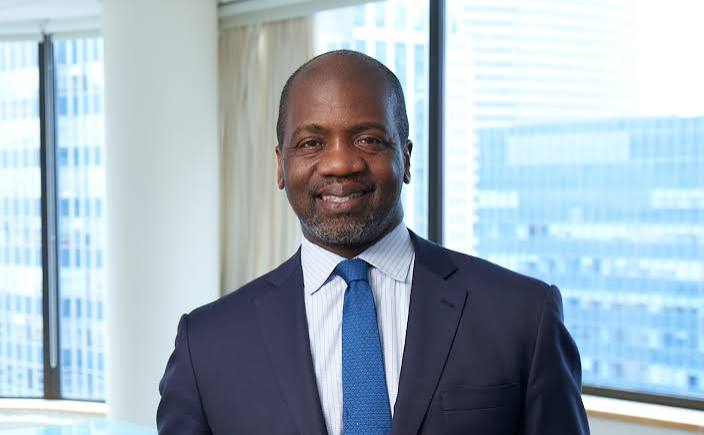
Meredith Marshall co-founded BRP Companies with Geoff Flournoy. The firm develops workforce and affordable housing, as well as mixed-use projects. Commercial Observer reported that BRP completed 2,785 units—3.5 million square feet—in New York City and Westchester County over the 12 months leading up to its 2026 report. It reported another 5,759 units in the pipeline across several states.
Those numbers measure different things. Completed units are homes delivered; pipeline units are projects still to be built. Financing, construction costs and approvals can change what ultimately gets finished. BRP’s record of deliveries gives the pipeline context, while the planned projects show how much work remains.
8. James Simmons III — Asland Capital Partners
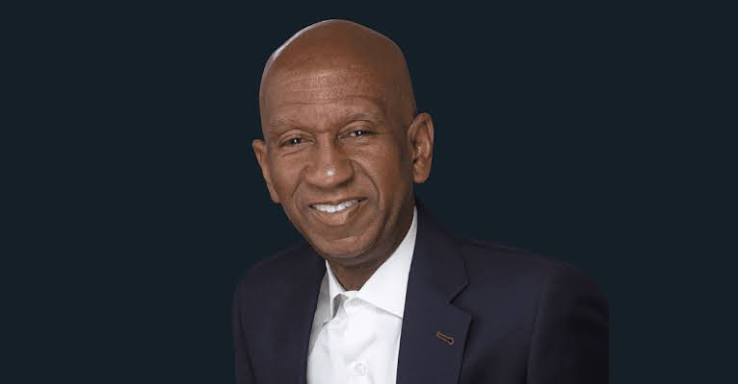
James Simmons III founded Asland Capital Partners in 2019, after working in public-sector and private real estate. Asland reports more than $425 million in equity invested, over 3,700 residential units and more than 800,000 square feet of commercial space. These are firm-level figures, not Simmons’s personal holdings.
Asland’s work includes Sack Wern, a 413-unit apartment campus in the Bronx selected for a preservation and renovation program. The company says it is working with residents and public agencies on improvements and long-term affordability. The project reflects a part of development that can receive less attention than new construction: maintaining existing homes while addressing costs, tenant needs and financing.
9. Thomas J. Baltimore Jr. — RLJ Lodging Trust and Park Hotels & Resorts

The 2011 IPO of RLJ Lodging Trust raised $495 million in gross proceeds and placed a hotel investment platform on the public market. Baltimore had led RLJ Development, whose assets and funds fed into the REIT. He remained RLJ’s CEO until 2016, when he joined Park Hotels & Resorts; he is now Park’s chairman, president and CEO.
A public REIT gives shareholders exposure to hotel property without requiring them to buy hotels directly. Its leaders manage the portfolio through acquisitions, debt and sales. Park has been selling non-core hotels as it concentrates on properties it considers better suited to its long-term strategy. Baltimore’s career spans both the creation of a public hotel platform and the ongoing decisions that shape one.
10. Emmitt Smith — ESmith Legacy and ESmith Advisors
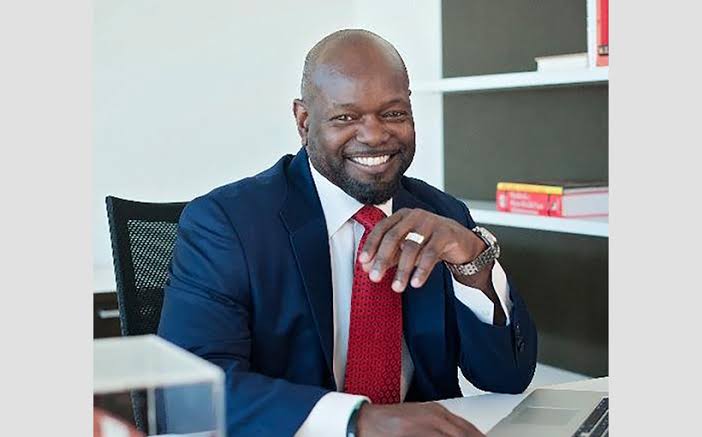
Emmitt Smith’s real estate companies combine development work with advisory services. ESmith Legacy works on real estate and infrastructure opportunities; ESmith Advisors, a partnership with Newmark, offers services including site selection, project management, acquisitions and property management. Newmark brings a larger brokerage network, while Smith’s company contributes its own relationships and development experience.
That model differs from owning a large apartment portfolio. An advisory business can earn by helping clients find sites, structure transactions and manage projects. It can shape what happens to a property without holding the whole asset itself.
The Companies Behind the Properties
These businesses do not share a single route to influence. Peebles pursues large developments with public and private partners. MacFarlane’s firm channels institutional capital. Carter and Binitie focus on housing, while Jones has built a financing platform. Baltimore operates in public hotel markets; Smith works through services and partnerships.
A building is only the visible end of a long chain. Someone must secure land, raise money, structure debt, win approvals, manage construction and decide whether to hold or sell the property. The leaders here have built companies that control one or more of those decisions. For Black entrepreneurs, that widens the picture of real estate ownership: a durable business can be built around the capital, expertise and operations that make properties possible.
FAQs
What Does a Real Estate Mogul Do?
A real estate mogul may develop properties, invest in them, arrange financing, manage assets or lead a company that combines several of those roles. The people in this feature have built influence through different parts of the industry.
Is This a Ranking by Personal Wealth?
No. The feature is not ranked by net worth. Company portfolio values, transaction volume, managed units and development pipelines describe different kinds of business activity; none should be read as a leader’s personal fortune.
What Is a REIT?
A real estate investment trust, or REIT, is a company that owns or finances income-producing real estate. Publicly traded REITs let investors buy shares in a property portfolio without directly purchasing each building.
Why Is Affordable Housing Included?
Affordable and workforce housing require land, layered financing, construction and long-term management. Avanath, Dantes Partners and BRP show how real estate companies can work in that market while balancing project economics and residents’ housing needs.
What Is the Difference Between Transaction Volume and Assets Under Management?
Transaction volume is the value of deals a company has completed. Assets under management refers to investments it manages for clients. Both differ from the value of a company’s current holdings and from its founder’s personal wealth.
Can a Company Influence Property Without Owning It?
Yes. A company may finance, manage, develop or advise on a property owned by another party. Its role in arranging capital, assembling partners or making operating decisions can give it significant influence over a project’s direction.