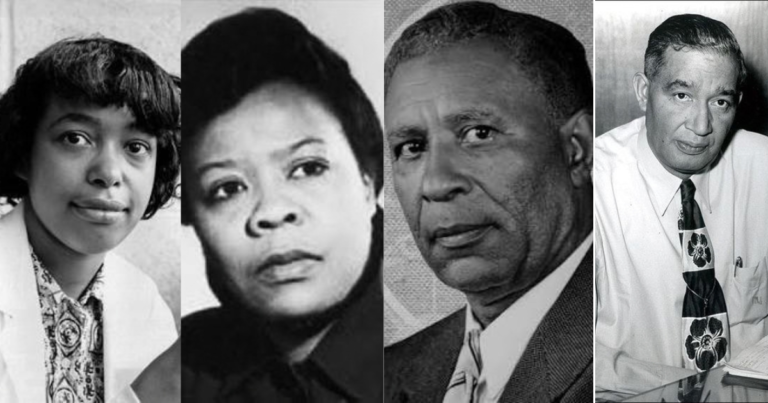
A century after its release, Bessie Smith’s “The St. Louis Blues,” with Louis Armstrong on cornet, is available for reuse in the United States without a licence for that recording. It is one of several recordings first published in 1925 that entered the public domain on January 1, 2026. The group also includes Marian Anderson’s “Nobody Knows the Trouble I’ve Seen” and Clarence Williams’ Blue Five playing “Everybody Loves My Baby,” according to Duke University’s 2026 Public Domain Day list.
The change clears a rights hurdle. It does not make a project on its own. A filmmaker still needs a story; a teacher needs a lesson students can use; a label needs listeners who care about its selections.
The recordings offer material. The business opportunity depends on what people make of it.
A Date Can Change the Rights Status
The Music Modernization Act gives recordings first published between 1923 and 1946 a 100-year term. The 1925 recordings entered the U.S. public domain at the start of 2026. That does not free every performance by those artists. It applies to the specific recordings in the cohort.
Nor does it automatically clear the song, image or recording file a creator finds online. A composition and a recording are separate works. W.C. Handy’s “The St. Louis Blues,” published in 1914, is already in the U.S. public domain. Smith and Armstrong’s 1925 performance is a separate asset. A later cover, a new restoration or an album photograph may have its own rights.
Anderson’s recording shows why a researcher should check more than one date. The Library of Congress catalogue gives the recording date as 1924. Duke University lists it among works published in 1925, which is the year relevant to this copyright schedule. A session date is not necessarily a publication date.
Five Possible Directions for New Work
1. Trace Who Made Money From “The St. Louis Blues”
Handy wrote the song; Smith and Armstrong made this recording theirs. Their version could anchor a documentary or podcast about the journey from composition to record, and about who received credit and income at each stage.
There is a useful lead in Handy’s own business history. The Library of Congress says he earned little from “Memphis Blues” but received a greater share of the profits from “St. Louis Blues.” A reporter could ask what changed: the contracts, the publishing arrangements, or Handy’s ability to control the business around his songs?
Use of the 1925 recording may be possible in the United States, but a production still has other pieces to clear. New music, images and later performances do not inherit the recording’s status.
2. Make Anderson’s Performance Teach Lesson
Anderson’s spiritual could sit at the centre of a lesson on interpretation, spirituals and musical arrangement. A teacher’s pack might include a short biography, a transcript and questions that direct students to particular moments in the performance.
The catalogue dates offer a teaching moment of their own. Students can compare the Library of Congress entry with Duke’s public-domain list and see why archivists and rights researchers pay attention to how a date is described. A publisher could put a sample lesson in front of music teachers before investing in a full course.
3. Give “Good Old Wagon” an Editorial Point of View
Smith’s “You’ve Been a Good Old Wagon” could open a curated blues collection built around humour, heartbreak or the sharp turns in a relationship. The collection would need more than tracks: a historian’s notes or a musician’s commentary could help listeners hear what links the songs.
That curation is the product. A small label could release a short edition or host a listening session first, then decide whether the idea merits a larger collection. A playlist with no point of view is easy to skip.
4. Let a Present-Day Band Answer Clarence Williams’ Blue Five
Play “Everybody Loves My Baby” in a room with musicians who can talk through what they hear. Then invite an ensemble to perform a new arrangement. A venue, festival or music school could build an evening around that exchange.
The original recording may be free to use, but the event is not free to produce. Musicians need to agree on fees, credit and any plans to record or stream the performance. Rehearsals, venue hire and promotion belong in the budget too.
5. Put the Performers’ Names In the Story
The listed performers on “If I Lose, Let Me Lose” include Louis Armstrong, Fletcher Henderson and Maggie Jones. A listening guide or podcast could follow their roles in the recording and give audiences a route to discover more of their work. Duke’s list and the Library of Congress provide records that can help verify the credits.
It is a simple editorial choice, but it changes how the recording is presented. The musicians become people whose contributions can be discussed, rather than names buried in a catalogue.
Start With a Small Audience
A classroom resource, one live event or a short podcast run can test an idea before a larger investment. Watch what people do: Do teachers use the materials? Do listeners turn up? Does anyone ask for another instalment?
Those answers won’t guarantee a business, but they can help shape the next decision. A documentary needs funding and distribution. A teaching product needs educators. A concert needs enough ticket buyers or sponsorship to cover its costs. Grants and institutional partners can help pay for early work; they do not remove the need to understand the numbers.
Check the Exact File
Keep the catalogue details for the recording you intend to use. The Library of Congress says users are responsible for assessing whether their use is lawful, and notes that publicity and privacy rights may also apply.
Then check the rest of the project: photographs, label scans, liner notes, restorations and later performances may all have different rights. Read the terms attached to any archive file you plan to distribute.
The public-domain change described here applies in the United States. A release offered in other countries may face different copyright rules, so check the markets where it will be available.
Legal Access Does Not Decide Who Benefits
Copyright expiration does not return past earnings to performers or ensure that future commercial use benefits the communities whose culture shaped the music. Those questions remain, even when a recording can legally be reused.
A producer can hire Black musicians and historians, pay for new performances, share revenue with collaborators and credit contributors clearly. None of those choices guarantees a hit. They can make the project more informed and create paid work around the archive.
The recordings are available. The challenge is to make something people will choose to hear, learn from or support.
Frequently Asked Questions
Can I use Bessie Smith’s 1925 recordings in a U.S. film?
Recordings first published in 1925 entered the U.S. public domain on January 1, 2026. Confirm that you have the intended recording and check rights for the film’s other materials.
Does this cover every version of “The St. Louis Blues”?
No. The composition and each recording have separate rights histories. A later performance may still be protected.
Can I sample one of these recordings?
A qualifying 1925 recording may be reused in the United States. Check the source file for later material and keep its catalogue record.
Can a business sell products using the recordings?
Commercial reuse is allowed in the United States, but images, packaging and newer versions may have separate rights. Review the full product before sale.
Are the recordings public domain worldwide?
No. This change concerns U.S. law. Check the rules in each country where you plan to distribute or sell the work.
Where can I check recording details?
The Library of Congress National Jukebox and UCSB’s Discography of American Historical Recordings provide catalogue information. Check the specific entry and any terms attached to the audio file.