For decades, the formula for reaching the top in automotive was simple: master engineering, manufacturing, and product development. Brand strategy and customer experience were someone else’s job. Then EVs happened. Software happened. Customers started expecting something different. Suddenly, technical chops alone couldn’t get you to the top anymore.
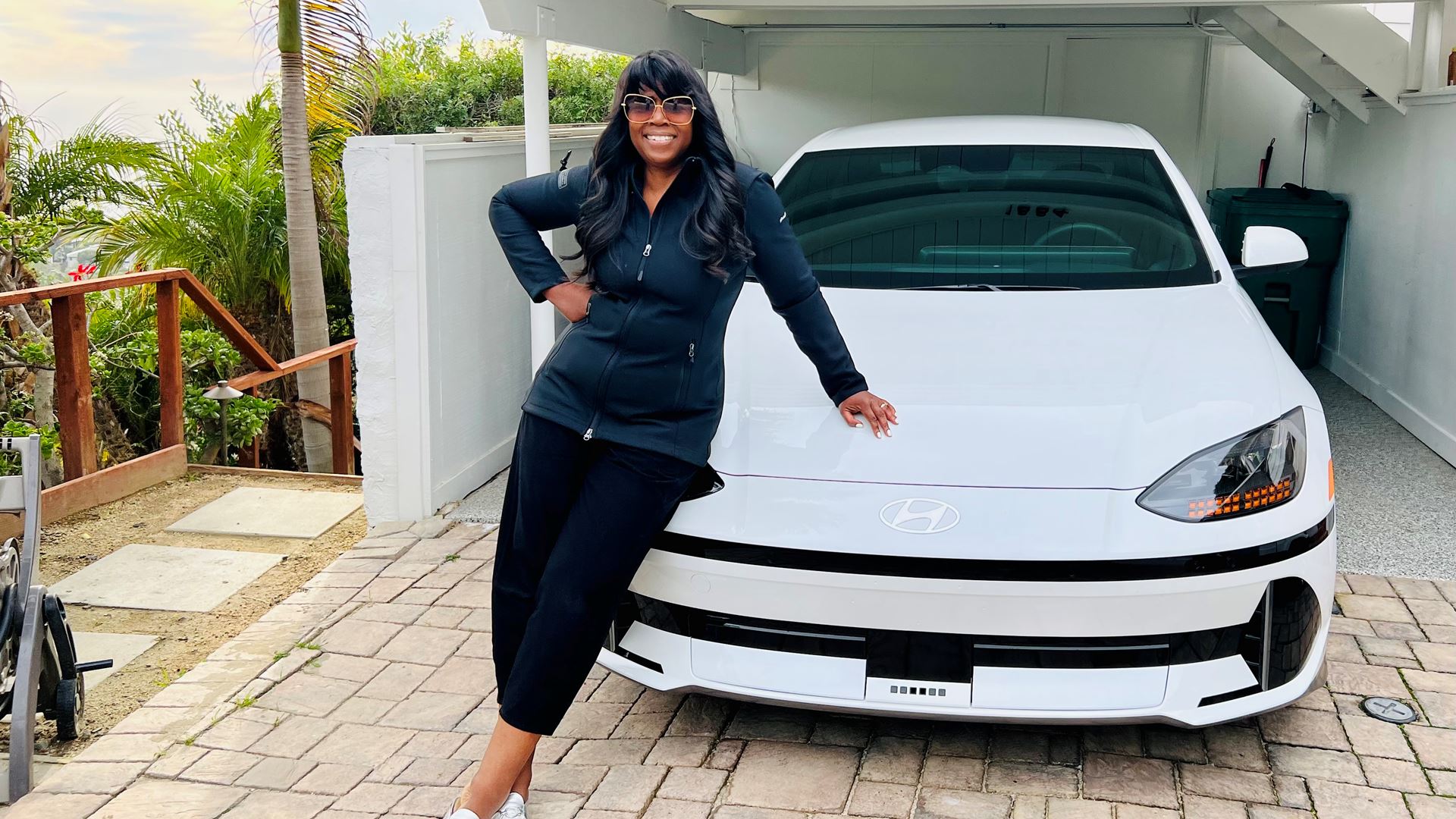
Boyle saw this coming before most of her peers did. So she didn’t just stay in her lane as an engineer. She rebuilt herself—layered in marketing, strategy, executive leadership—until she landed as Senior Vice President of Product Planning and Mobility Strategy at Hyundai Motor North America. Now she’s shaping direction for one of the biggest automakers on the planet.
The Leap That Changed Everything
Visa needed someone who actually understood cars—how they’re built, made, used—to help build payment systems for connected devices. Boyle said yes. She had zero background in fintech.
The risk was real, and it showed up in hard numbers. Twelve years at Chrysler, gone. A director title, gone. Recognized engineering credibility, gone. In exchange: an industry with its own language, its own systems, its own rules—all of which she’d have to learn from scratch.
But she didn’t start over. She combined what she knew with what she was learning. Payments, tokenization—she picked those up while applying her automotive background to in-car commerce. At Visa, she climbed through VP roles: connected cars, IoT, Tap-to-Phone, Acceptance Cloud.
And here’s the twist—that detour made her more valuable to the car industry, not less. Hyundai came calling in August 2020, put her in charge of US product planning, pricing, analytics, connected tech, mobility strategy. By December 2023, she was SVP. She’s said openly that the tokenized payment knowledge she picked up at Visa found its way into Hyundai and Genesis vehicles.
The numbers suggest the bet paid off. Hyundai’s US sales climbed from 622,269 vehicles in 2020 to a record 901,686 in 2025—roughly 45% growth. That’s not Boyle’s win alone. It’s a whole organization’s. But it shows the scale of what she now helps steer.
How She Actually Makes Decisions
Bring leverage into unfamiliar territory.
Don’t walk into a new industry empty-handed. Find the adjacent space where what you already know solves a problem the insiders can’t. In her own words: “I had to learn that, plus bring the car piece to it.” That’s exactly why Visa wanted her—they needed automotive expertise to make connected-car payments work. And later, that fintech knowledge is what she brought back to Hyundai.
Technology needs a reason to exist.
Boyle judges innovation by what friction it removes, not how impressive it sounds. “It can’t be technology for technology’s sake,” she’s said. Her in-car payment work stuck to things people already do while driving—fueling up, parking, grabbing food—instead of bolting on features nobody asked for.
Pick the leader, not just the title.
At a certain level, the job matters less than who you’d be working for. Do you respect them? Can they push you further? “At this point, I need to respect you, or I’m gonna do something else,” she’s said. That’s the standard she held Hyundai to—after meeting José Muñoz, she decided a demanding boss was exactly what she needed to grow.
The Reset that Redefined Her Career
There’s no scandal to dig up. No blown investment, no collapsed project, no public misstep tied to her name. Making one up wouldn’t do her justice.
If there’s a “reset” moment in her story, it’s Visa. She walked into fintech as an established automotive leader and had to learn a completely different industry—while proving, in real time, that her automotive background actually mattered there.
What changed wasn’t just her title. It was her identity. She stopped being “the engineer” and became something broader—someone who layers engineering with product strategy, payments, pricing, customer experience, and partnerships.
The People Around Her
Backers: Visa gave her the platform to leap across industries. José Muñoz brought her into Hyundai. And Hyundai’s broader push into mobility and electrification is what created room for her role to grow.
Mentees: She runs weekly mentoring sessions for STEM professionals coming up in the field.
Strategic ties: Her board seat at IONNA puts her inside an eight-automaker charging venture aiming for 30,000 high-powered charging stations by 2030. Her seat on BraunAbility’s board pulls her into accessible-mobility design—and toward customers the mainstream auto industry often forgets.
Try This: Map Your Own Adjacency
Grab a piece of paper. Two columns.
Left side: what you already know. Your skills, your relationships, your technical background.
Right side: a growing market that desperately needs exactly that.
Don’t ask “what new career should I chase?” Ask this instead: “Where does what I already know give me a head start nobody else has?”
Boyle never abandoned engineering. She just stopped treating it as the whole story—and started using it as her ticket into rooms with bigger decisions.