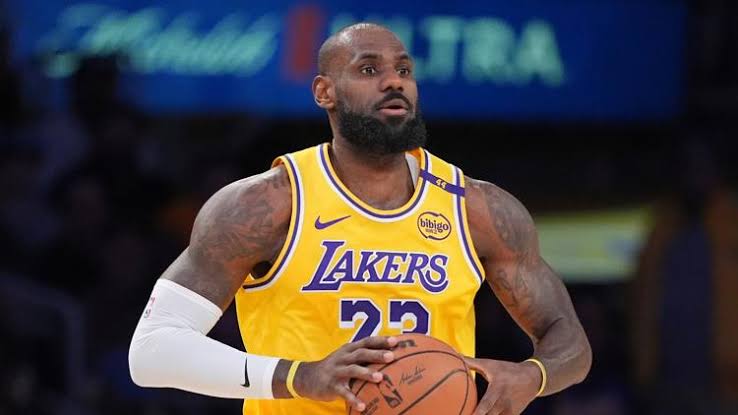
LeBron James did not buy Liverpool Football Club in 2021. He and business partners Maverick Carter and Paul Wachter converted an earlier interest in the club into a stake in Fenway Sports Group, Liverpool’s parent company. The move put James inside a business that spans teams, media and other sports ventures.
The deal points to a larger change in how some athletes approach their careers. A playing contract pays for performance. An endorsement pays for access to a name or audience. Ownership can give an athlete a share of a company’s future value—and, depending on the terms, a say in its decisions.
LeBron James Wanted a Say in the Business Around His Career
James began building beyond the court early in his career. At 20, he and Carter set up LRMR, a management and marketing company, with Rich Paul and Randy Mims. In a 2008 interview with The Guardian, James said he wanted a more hands-on role in his business.
I wanted to take control of that business. — LeBron James
That early decision helped shape a wider operation. James and Carter later co-founded SpringHill, a media company whose projects include film, television and digital content. The business lets its founders participate in the production and ownership of stories, rather than simply lend a famous name to someone else’s project.
That does not make success automatic. A production company still has to find audiences, buyers and distributors. SpringHill’s model shows how visibility can create an opening; the work and the people behind it have to keep the company moving.
The FSG transaction brought James into a larger sports portfolio. The group said he, Carter and Wachter exchanged their previously held Liverpool interest and joined FSG’s ownership alongside RedBird Capital Partners. RedBird’s investment valued FSG at $7.35 billion. That number applies to the entire company; FSG did not disclose James’s personal stake.
Serena Williams Has Backed Startups and a WNBA Team
Serena Williams began investing in young companies before she launched Serena Ventures. In 2022, the firm announced it had raised $111 million for its first fund. That is capital available for investment, not Williams’s personal contribution or a measure of her wealth.
With Serena Ventures, Williams has a role in deciding where the fund’s money goes. The founders of the companies it backs remain responsible for building them. It is a different kind of influence from running a business day to day, but it places her in the investment decisions that help determine which companies get a chance to grow.
Williams also joined the ownership group of the Toronto Tempo in 2025. The WNBA’s first Canadian franchise began play in 2026. The team said Williams would help shape jersey design and merchandise collaborations. Kilmer Sports Ventures controls the team, so her ownership role sits within a larger group rather than giving her sole authority. She mentioned;
This moment is not just about basketball; it is about showcasing the true value and potential of female athletes. —Serena Williams
The commercial test is still ahead. The Tempo will need to build an audience, secure sponsors and compete for attention in a crowded sports market. Williams brings visibility to the franchise, but the team’s performance as a business will depend on its operators and the WNBA’s ability to grow.
Michael Jordan’s Hornets Sale Put Control in Perspective
Michael Jordan held a majority stake in the Charlotte Hornets for 13 years. In 2023, a group led by Gabe Plotkin and Rick Schnall completed the purchase of his controlling interest. Jordan kept a minority stake.
The NBA said the sale left it without a Black majority owner. Jordan’s change in role also makes a point that celebrity-investor stories can miss: owning part of a team and controlling it are different positions. A person can sell control but keep an economic interest in what happens next.
Athletes can also earn from licensing their names, images and likenesses. Group licensing lets companies negotiate for the rights of many players at once, as they do for trading cards and video games. The Knight Commission on Intercollegiate Athletics describes it as a way to package those rights and share revenue among athletes.
Licensing can pay well, but it does not make a player an owner of the product or the company selling it. The agreement sets the fee, the length of the deal and how the athlete’s likeness can be used.
The Fine Print Decides What a Stake Is Worth
Investment announcements rarely tell the public how much an athlete owns or what decisions they can influence. Voting rights, board access and protections against dilution may sit in private agreements. Without those details, the size of the business can draw more attention than the investor’s actual position in it.
There are financial risks, too. Shares in a private company may be hard to sell. A growing business may need more capital, which can reduce an early investor’s ownership percentage. And an athlete’s reputation can bring customers to a new venture, but it cannot guarantee that they will return.
That is why the routes in this story should not be treated as interchangeable. James built companies around management and media, then entered a major sports group. Williams invested in startups and joined a team’s ownership group. Jordan once controlled a franchise and later sold most of his stake. Each deal offered a different mix of money, influence and risk.
For an athlete weighing an endorsement against an investment, the question is not simply which figure looks bigger in a press release. It is what the contract grants, what the business can deliver and who gets to make decisions when the athlete is no longer the main attraction.
FAQs About Black Athletes and Economic Power
Did Serena Williams personally invest $111 million in startups?
No. Serena Ventures said it raised $111 million for its inaugural fund in 2022. The amount was raised for the fund to invest; it was not Williams’s personal check.
What did LeBron James own through Fenway Sports Group?
James joined FSG’s ownership group after exchanging an earlier interest in Liverpool. The $7.35 billion figure was FSG’s valuation for RedBird Capital Partners’ investment, not the value of James’s personal stake.
Does a minority stake give an athlete control?
Not necessarily. It can provide a share of a business’s financial upside, but voting rights and decision-making power depend on the investment terms.