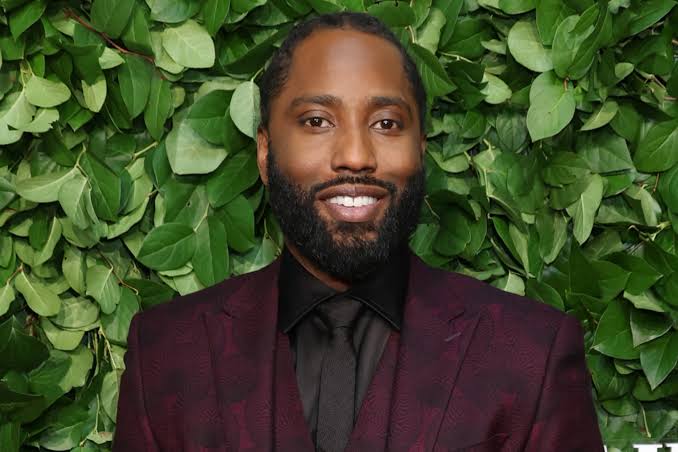
Retail has a returns problem. A massive one. In 2024, American shoppers sent back roughly $890 billion worth of items. Apparel accounts for a disproportionate share of those returns, driven largely by uncertainty over fit and sizing.
Most brands just deal with the loss. Or they shorten return windows and hope nobody complains. John Imah isn’t buying that approach. His company, SpreeAI, aims to prevent bad purchases before checkout through AI-powered virtual try-on.
He Started With the Problem, Not the Tech
Here’s what makes his approach different. Imah didn’t build cool AI first and then go looking for someone to sell it to. He flipped the order entirely.
Back in 2022, he flew to Europe. Not for vacation—more like a listening tour. He sat down with fashion executives and heard the same complaints: more sales, fewer returns, better personalization. So that became SpreeAI’s blueprint. It was an opportunity that already had real money riding on it.
None of this was easy. Fashion tech is a crowded space. Brands don’t trust new vendors easily. And Google is building its own virtual try-on system. Imah went after luxury first anyway, probably the hardest place to start, since luxury fabrics and cuts are brutal for computer vision to get right.
So far, the bets have paid off. By 2025, SpreeAI had raised $80 million at a reported $1.5 billion valuation, according to reports. Its May 2025 funding round was led by the Davidson Group.
But here’s the catch. The number that actually matters—how much SpreeAI reduces returns once it’s running at scale with major retailers—still isn’t public. Imah claims 99 percent sizing accuracy. That’s a bold number. But there’s no independently audited, retailer-wide data to back it up. As of February 2026, he was still calling many brand deployments “sandbox” mode. Testing. Not full rollout.
The Rules Behind Imah’s Playbook
Find the buyer first. Perfect the product later. Most tech companies build something, then scramble to find customers who’ll validate it. Imah did the reverse. “I wanted to reverse that,” he told Office Magazine. He met with European luxury executives before locking down SpreeAI’s direction, then built around what they actually needed: fewer returns, higher conversion, real personalization.
Treat cultural credibility like a distribution channel. Fashion runs on relationships. Being technically impressive won’t get you through the door—you need real standing. “Cultural credibility is extremely important in the fashion industry,” Imah told Observer’s AI Power Index. SpreeAI leaned hard into this, building relationships with the CFDA, designers like Sergio Hudson, and figures like Naomi Campbell, who joined the board in 2024. That kind of network buys something code never can: trust.
Let your track record fund the next bet. Build enough credibility that investors start betting on you, not just your pitch deck. “The investors were… investing in me. It wasn’t necessarily about the product,” Imah said on the Black Tech Green Money podcast. He’d already built and sold two companies before SpreeAI, and worked at Samsung, Twitch, Meta, and Snap. That history took a lot of friction out of fundraising.
The Pitch That Needed a Rebuild
Imah’s biggest mistake didn’t happen before the product existed. It happened after.
He assumed SpreeAI would live mostly online, as an e-commerce tool. Wrong call. Luxury executives pushed back hard—physical stores and sales associates still drive the experience in that world. Then came the moment it clicked. At a Chanel show, Imah realized SpreeAI was pitching itself like a boring tech vendor to an industry that thinks entirely in images.
His words: “we were doing it wrong.”
So the team tore down the sales process and rebuilt it. Demos started borrowing from fashion shows themselves, sometimes using actual models to showcase the tech. The strategy expanded too—e-commerce, in-store experiences, VIP client services—instead of treating online sales as the whole story.
The Network Behind the Bet
Supporters include The Davidson Group, Naomi Campbell, Bob Davidson, and Larry Ruvo. The CFDA paves the way for connections inside fashion. Ties to MIT and Carnegie Mellon keep the company plugged into serious technical talent.
There’s no solid public evidence linking specific well-known founders to Imah as mentees. His own site says he mentors founders and up-and-coming operators.
Don’t Build Until Five Buyers Describe the Same Pain
If there’s one lesson worth stealing from all this, it’s this: talk to at least five serious buyers—people actually spending real money—before building anything. Ask each one about their three most expensive operational headaches. Only pursue opportunities where those answers overlap—and where the pain has a measurable cost, whether that’s returns, conversion, churn, processing time, or lost revenue.
That’s exactly where SpreeAI’s thesis came from. Sales, returns, personalization. Three problems, one overlap, one company.