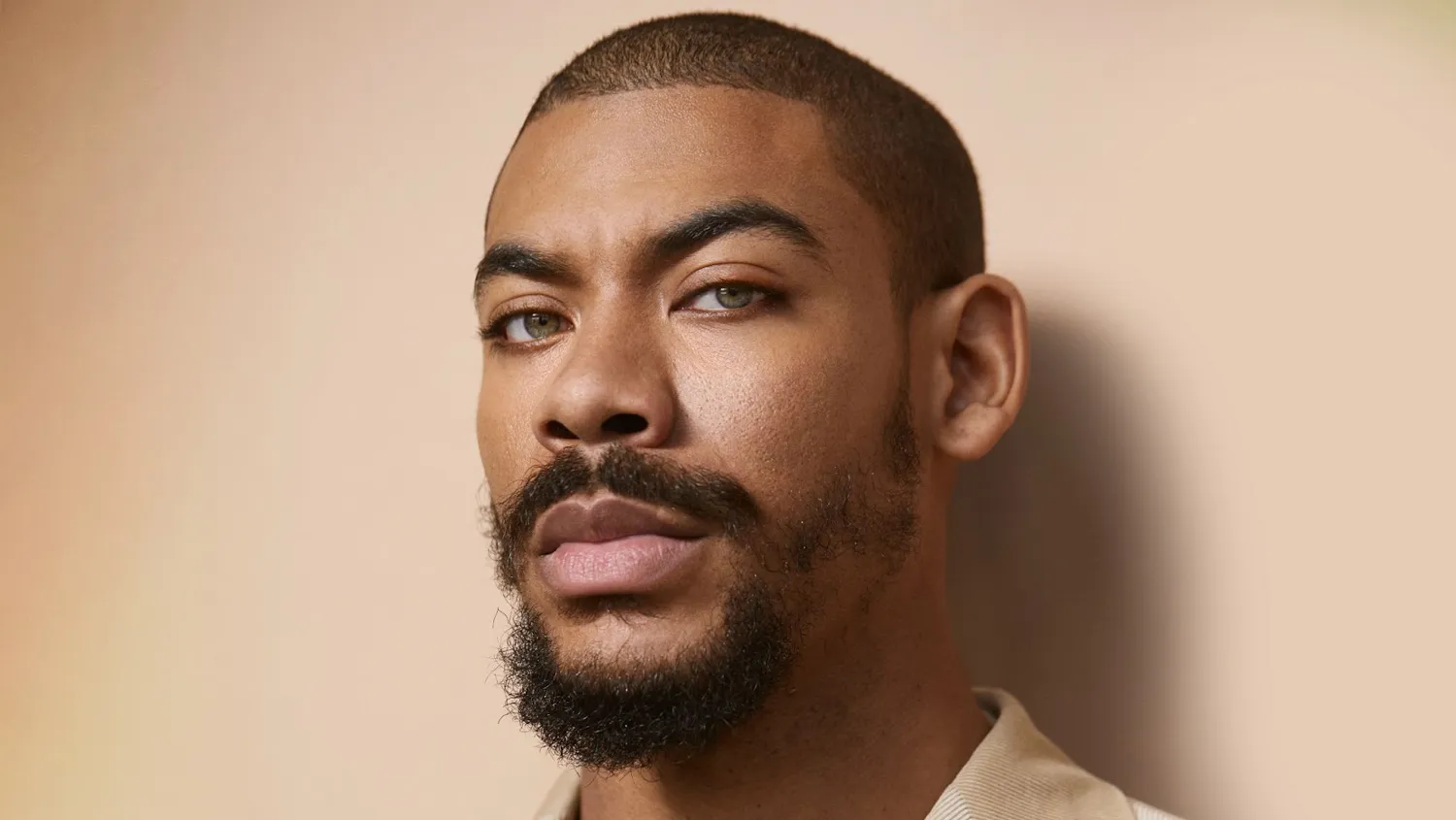
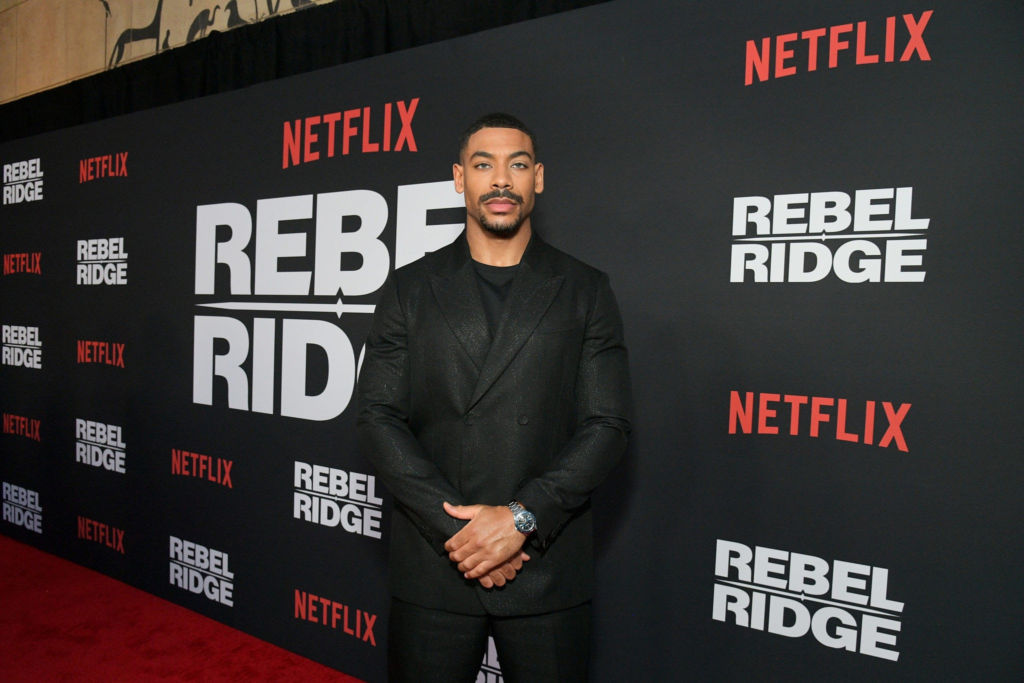
There’s a scene early in Rebel Ridge where Aaron Pierre says almost nothing, and somehow that’s the whole point. In an industry that rewards loud — green screens, rapid dialogue, constant motion — the South London native built a following by doing the opposite. When director Jeremy Saulnier picked him to play Terry Richmond, a former Marine dragged into a small town’s corruption, Pierre didn’t play it like a typical action lead. He played it still. Coiled. And somehow that made him impossible to look away from.
It felt like an overnight thing to a lot of people watching. It wasn’t, really. There’s over a decade of theater work, careful choices, and a lot of quiet preparation sitting underneath that “breakout.”
What It Took to Become Terry Richmond
By the time Pierre signed on to Rebel Ridge, the production had already gone through casting changes and delays — not the easiest circumstances to walk into a lead role under. Richmond isn’t written as a hero hunting for a fight. He’s a combat instructor just trying to bail his cousin out of jail, doing everything in his power to avoid escalating things, right up until he has no other option left.
Pierre had only a few weeks to prepare. He trained hard, picked up enough Brazilian Jiu-Jitsu to handle his own stunts, and by most accounts took the physical side of the role seriously. But it wasn’t really the fighting that made the performance work. It was the restraint — how much he could communicate with his voice barely rising, or a look held a second too long. Going up against someone as seasoned as Don Johnson, Pierre didn’t need to compete for the scene. He just occupied it.
Audiences noticed. Critics noticed too. The film has plenty of action, sure, but what stuck with people was that there seemed to be an actual human being underneath the choreography — which, if you watch enough of these thrillers, is rarer than it should be.
Don’t allow anybody else to put limitations on you. If there are any limitations on you, let those only be limitations that you put on yourself. — Aaron Pierre
Where All That Discipline Actually Comes From
Before any of this — before Netflix numbers, before his name started showing up in casting rumors for half of Hollywood — Pierre was doing Shakespeare. He trained at the London Academy of Music and Dramatic Art, immersed early on in classical technique: how you carry yourself, how you use your voice, how you take up space in a room without needing to fill it with noise. None of that really goes away. It just shows up differently once you’re in front of a camera instead of a stage.
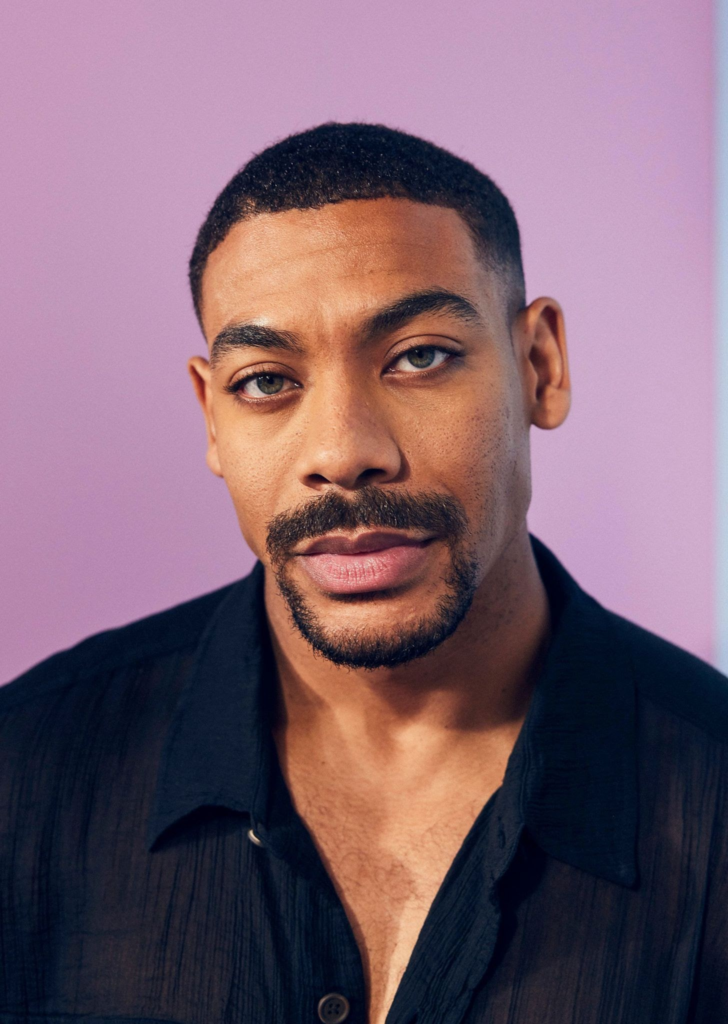
His first real break on screen came when Barry Jenkins cast him as Caesar in The Underground Railroad for Amazon — a role that asked a lot of him emotionally, translating real historical weight into something specific and human rather than symbolic. That performance is largely what got him noticed by people who actually pay attention to this stuff.
From there, the résumé filled out fast. He starred opposite Viola Davis in The Woman King, showing a more physical, action-oriented side. He took over the voice of the title character in Disney’s Mufasa: The Lion King. And more recently, he landed the co-lead role of John Stewart in DC’s Lanterns series — bringing a character comic fans have loved for decades into a live-action, prestige-TV format.
Staying Steady Through the Sudden Attention
A lot of what shapes an actor’s career isn’t the roles they take — it’s the roles they turn down. Pierre went through the usual early grind: auditions that went nowhere, pilots that got cancelled, the standard rejections most actors don’t talk about publicly. Instead of taking whatever came his way just to stay visible, he stayed selective. He held out for directors and material he actually believed in.
Once Rebel Ridge took off, a lot of the press coverage zeroed in on how he looked, how tall he is, that leading-man thing. Pierre, by most accounts, doesn’t treat that as the goal. He treats it more like a side effect of doing the work well. That attitude is probably part of why he’s managed to move between indie film, big franchises, and prestige television without getting locked into playing one type of guy over and over.
In the future when I do other jobs, the thing that will stay with me is the importance of seeking authenticity and truth, and letting that be the thing you’re after within the scenes. — Aaron Pierre
The People Who Helped Get Him Here
Nobody does this completely on their own. A handful of collaborators clearly left a mark on how Pierre approaches his work.
Barry Jenkins showed him what can be communicated without dialogue — how much a close-up picks up on tiny shifts in someone’s face that most actors don’t even think to control.
Jeremy Saulnier gave him a shot at combining real physical action with genuine moral ambiguity, rather than the usual black-and-white hero framing.
James Gunn and Peter Safran handed him a flagship role at DC, trusting him to anchor an entire series as John Stewart — not a small bet to make on someone.
The pattern isn’t hard to spot. Directors keep coming back to Pierre because he shows up prepared, physically dialed in, and genuinely committed to whatever emotional truth the scene needs — not just hitting his marks and saying his lines.
A Few Common Questions About Aaron Pierre
What’s considered his breakthrough role?
Critics first paid attention when he played Caesar in The Underground Railroad, but the role that made him a household name to general audiences was Terry Richmond in 2024’s Rebel Ridge.
Where did he train as an actor?
At LAMDA in London, after earlier stints at Lewisham College and the Croydon Young People’s Theatre. That classical foundation is a big part of why his vocal and physical control stands out.
What’s he working on these days?
He voices the title role in Disney’s Mufasa: The Lion King and co-leads DC’s Lanterns series, playing John Stewart.
How tall is he?
Aaron Pierre is 6’3″ (191 cm) — and combined with a background as a sprinter and a very deliberate way of moving, it gives him a physical presence that reads well on camera, especially in action.
What was his theater background like before film and TV?
Years spent on classical and independent London stages, including a run as Cassio in Othello at Shakespeare’s Globe — the kind of formative stage work that still shapes how disciplined his screen performances feel today.