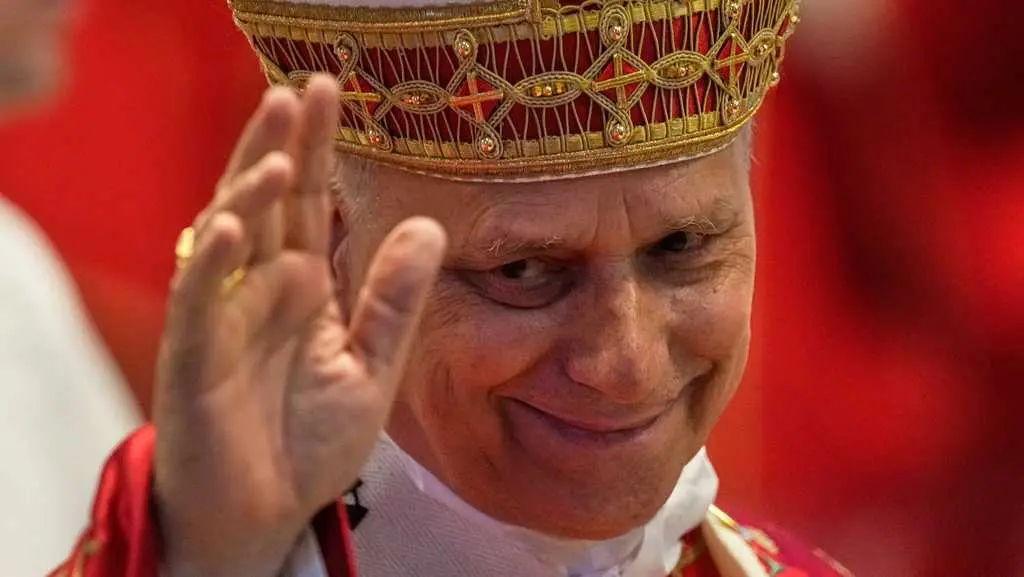
Pope Leo XIV’s apology for the Catholic Church’s historical role in legitimizing slavery is more than just a symbolic gesture. It represents a rare moment of honesty from one of the world’s most powerful religious leaders.
In his first encyclical, Magnifica Humanitas, released on May 25, 2026, the Pope recognized that the Apostolic See had, in the past, helped to regulate and legitimize forms of subjugation. This includes the enslavement of non-Christians. He referred to this history as “a wound in Christian memory” and stated, “For this, in the name of the Church, I sincerely ask for pardon,” according to reports.
The significance of this apology lies in its detail. Previous popes condemned slavery and apologized for the Church’s involvement in the transatlantic slave trade. However, Pope Leo XIV went further by addressing the role of past papal authority. In 1452, Pope Nicholas V issued Dum Diversas, which allowed the Portuguese crown to subjugate and reduce non-Christians to “perpetual slavery.” This papal bull, along with Romanus Pontifex in 1455, later helped shape the Doctrine of Discovery, used to justify the colonial seizure of lands in Africa and the Americas.
This is why the apology matters. It does not erase the suffering of enslaved individuals, nor does it heal centuries of harm. But it changes the moral narrative. It acknowledges that spiritual language was once used to support domination, that silence can lead to complicity. Also that institutions cannot genuinely defend human dignity today while ignoring their past failures.
The timing is also crucial. Magnifica Humanitas discusses artificial intelligence, exploitation, and new forms of modern slavery. The Pope cautioned against building digital systems on hidden human suffering, including unsafe labor linked to technology supply chains. “It is not enough to invoke efficiency,” the encyclical explains, if innovation relies on exploitation.
For the Church, this is a test of moral leadership. An apology must lead to education, transparency, open archives, and deeper engagement with communities whose histories were shaped by slavery and colonialism.
Pope Leo XIV has opened an important door. The next challenge is whether the Church will confront it with courage, humility, and a commitment to make amends.