While much of the football world focused on Spain’s triumph in New Jersey and the tactical battles that defined the 2026 FIFA World Cup, a quieter story with potentially far greater long-term consequences unfolded off the pitch.
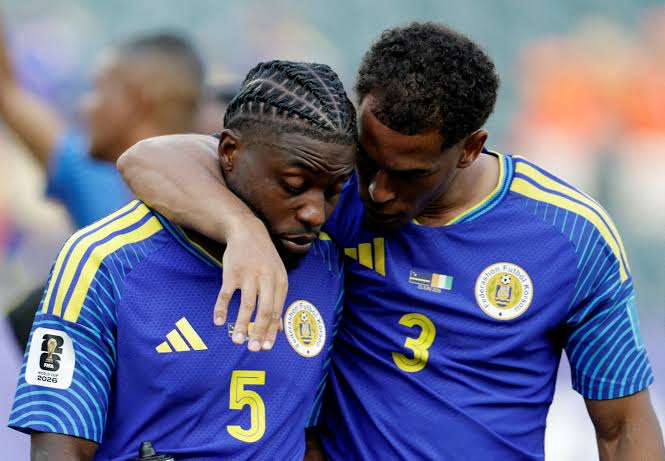
For the first time in history, Africa sent ten nations to the FIFA World Cup. Together, those federations returned home with approximately $154 million in FIFA prize money and participation payments—the largest single financial injection African football has ever received from a single tournament.
This was not simply another prize distribution. It represented an unprecedented opportunity to strengthen football institutions across the continent.
For decades, African football has consistently produced elite players while operating with comparatively limited financial resources. The 2026 World Cup did not solve those structural challenges overnight, but it handed African football leaders something they have rarely possessed at this scale: capital.
The real story begins now.
The Anatomy of the Windfall
Africa’s ten World Cup participants collectively earned approximately $154 million from FIFA.
The distribution reflected tournament performance:
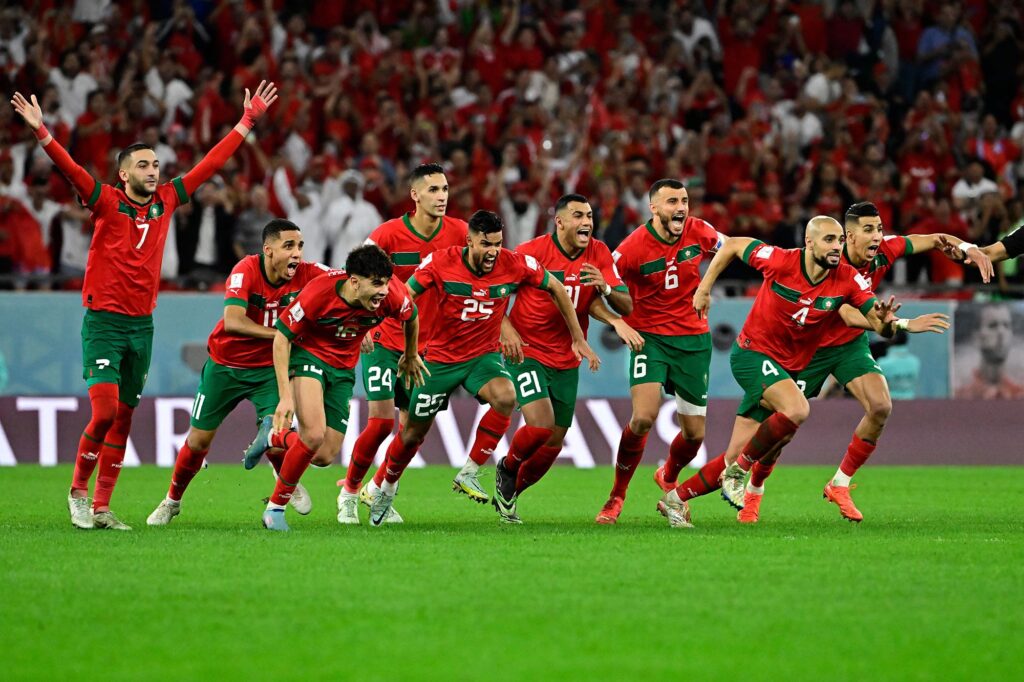
- Morocco: $31.5 million after reaching the quarter-finals.
- Egypt: $17.5 million after advancing to the Round of 16.
- Seven nations eliminated in the Round of 32 each received approximately $13.5 million.
- One nation exiting in the group stage received approximately $10.5 million.
For many African football federations, these sums exceed what they generate over several years through sponsorship, commercial partnerships and domestic football revenues.
Unlike government grants or external development funding, these resources arrived as football-generated income earned through sporting performance.
More Than Prize Money
It is important to distinguish between football federations and domestic leagues.
FIFA distributes World Cup revenue directly to national football associations—not to professional leagues or individual clubs.
That distinction matters because the impact of this historic payout will depend entirely on how national federations choose to deploy the money.
If invested strategically, the windfall could finance:
- Modern training centres and medical facilities.
- National youth development programmes.
- Coaching and referee education.
- Women’s football infrastructure.
- Grassroots competitions.
- Financial support programmes that strengthen professional clubs.
These are investments capable of producing returns long after a single tournament cycle ends.
Rebalancing Football’s Economic Model
For generations, African football has exported extraordinary talent to Europe.
While that pathway has produced global stars and generated important transfer income, many domestic clubs remain financially fragile. Limited commercial revenue frequently forces clubs to sell promising players early, often before they can maximise either sporting success or transfer value.
The challenge is not player movement itself. Football has always been global.
The challenge is ensuring that African football captures more of the economic value created by African talent.
Stronger federations can invest in elite academies, improve domestic competitions and create conditions that allow clubs to negotiate transfers from positions of greater financial strength rather than necessity.
The objective is not to stop talent leaving Africa.
It is to ensure the football ecosystem that develops that talent shares more fully in the wealth it creates.
The Greatest Test Is Governance
Money alone has never transformed football.
History is filled with examples of tournament revenues disappearing into short-term expenditure while infrastructure, youth development and domestic competitions remained underfunded.
African football has experienced its share of governance controversies, including disputes over player bonuses, financial transparency and federation administration.
That makes accountability the defining issue of this World Cup windfall.
If these funds are absorbed into operating expenses and administrative costs, this historic opportunity will quickly fade.
If managed transparently—with independent oversight, public financial reporting and long-term investment strategies—they could finance assets that continue benefiting players and communities for decades.
Morocco Offers a Blueprint
The clearest lesson from the 2026 World Cup may already exist.
Morocco’s continued success was not built in a single tournament cycle. It reflects years of sustained investment in elite player development, coaching, infrastructure and institutional planning.
The World Cup payout gives more African federations the financial capacity to pursue similar long-term strategies.
The challenge is turning tournament income into permanent competitive advantage.
Beyond the Tournament
For decades, African football has demonstrated that talent has never been the continent’s limiting factor.
Investment has.
The 2026 FIFA World Cup delivered approximately $154 million directly into African football—an amount unimaginable only a generation ago.
Whether this becomes the moment African football strengthened its institutions or simply another missed opportunity will not be determined by what happened on the pitch.
It will be determined by what happens after the money reaches the bank accounts.