
Why Primus Armes, a Formerly Enslaved Man, Is Being Honored With a Mural in Connecticut

Share
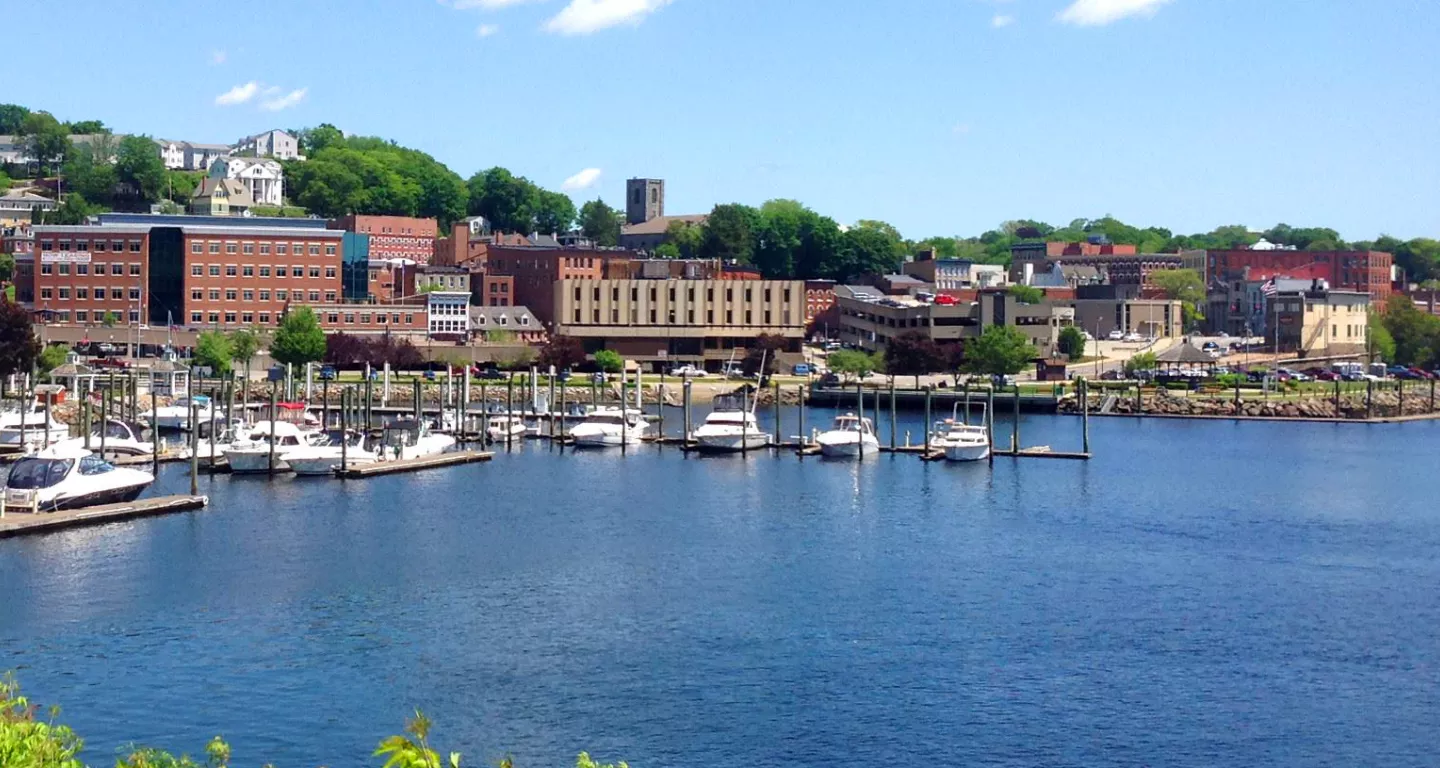
A new mural project in Connecticut highlights Primus Armes, a man born into slavery in West Africa. His life story serves as a strong symbol of resilience, ongoing struggle, and reclaiming history.
The mural will be officially unveiled in Norwich, Connecticut officially unveiled on May 9, 2026. It is part of a larger public history initiative led by the Alex Breanne Corporation in partnership with local civic and historical groups. Organizers state that the artwork will celebrate Primus Armes and trace the remarkable lineage that followed him.
This lineage was shaped by enslavement, military service, and a continuous fight for dignity and recognition.
A life marked by capture, survival, and forced migration
Primus Armes faced a life marked by capture, survival, and forced migration. Project documents describe him as a young boy taken from The Gambia in the early 18th century. He was torn from his family and survived the brutal Middle Passage across the Atlantic. He lost his father during the journey before arriving in colonial America alone and enslaved.
In Norwich, he was enslaved but later formed a family with his wife, Venus. Their union led to a lineage that intersected with significant moments in early American history.
A family legacy intertwined with American wars
The mural project shows how Armes’ descendants became part of the country’s military history. His son, Job Lathrop, served during the Revolutionary War. He participated in key battles like Trenton under General George Washington, even while enslaved.
However, freedom was not given easily. Historical narratives tied to the project indicate that Job’s freedom had to be bought. He later used his military pay to secure freedom for his wife. This illustrates the painful contradiction of fighting for liberty while being denied it.
Generations later according to reports, Armes’ descendants continued to serve, with family members fighting in the Civil War in Black regiments. This further embeds the family’s story in America’s ongoing struggle for freedom and citizenship.
Why the mural matters now
The mural is important now as a deliberate act of historical correction. John Mills, founder of the Alex Breanne Corporation, describes the mural as more than just public art. It aims to restore history and reconnect modern communities with previously marginalized or forgotten stories.
This philosophy supports the organization’s mission to recover and uplift narratives of formerly enslaved people. It shift public memory from invisibility to recognition, dignity, and respect.
The Primus Armes mural is part of a larger movement in Connecticut and the United States to use public art as historical testimony. It brings enslaved individuals and their descendants back into the visible narrative of American history.
A story of resilience, not erasure
What makes Primus Armes’ story compelling is not just its traumatic origins, but its continuation through perseverance. Over generations, his family’s journey reflects a central paradox of American history. The history of people born into bondage who shaped the nation through service, labor, and sacrifice. However, often without recognition in their lifetimes.
The mural aims to change that narrative. It makes a once-hidden lineage public, allowing onlookers to engage with a story that spans continents, centuries, and wars, all rooted in one man’s survival and the legacy he unknowingly created.
A legacy now made visible
In honoring Primus Armes, Connecticut is doing more than creating a mural. It is part of a larger cultural reckoning. This recognizes that history is not just what is found in books, but what is remembered in public spaces.
For Norwich, the mural acts as a visual link between the past and present.
However, it offers long-overdue recognition for descendants and community members. For the wider public, it reminds us that the foundations of American history are more complex and human than often presented.
As reflected in the project’s guiding vision, the mural ultimately focuses on restoration: of memory, identity, and belonging.