
Smithsonian Unveils Landmark Exhibit on HBCU Achievements

Share
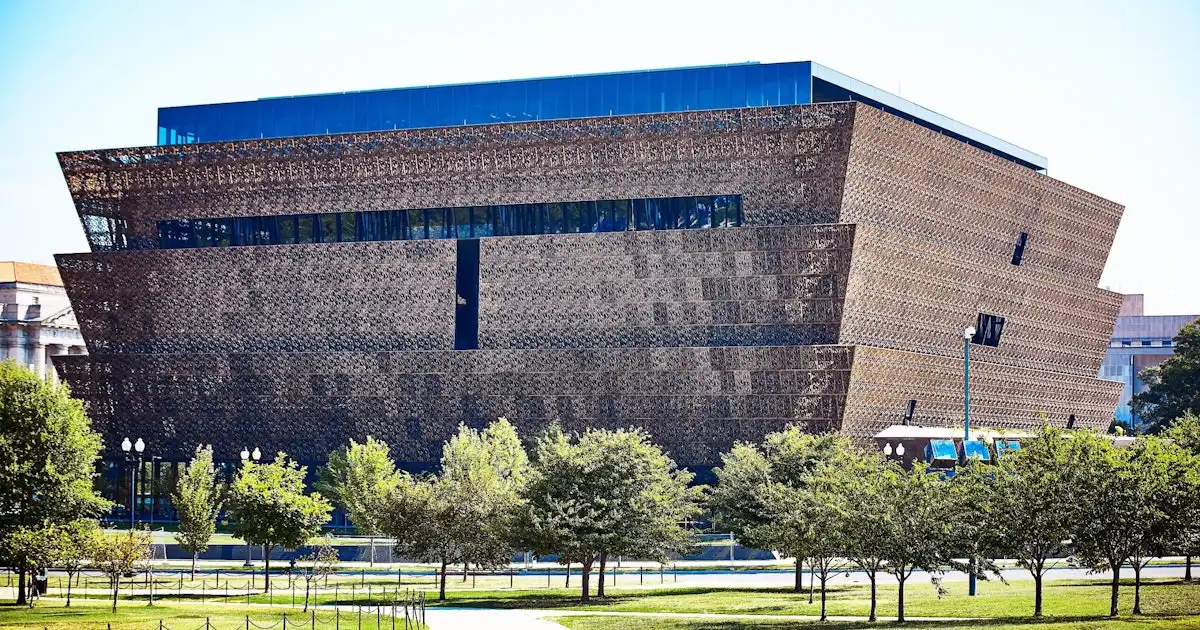
In the midst of renewed national discussions about historical memory and cultural preservation, the Smithsonian’s National Museum of African American History and Culture (NMAAHC) is gaining attention with its ongoing exhibition “At the Vanguard: Making and Saving History at HBCU.”
This powerful showcase celebrates the legacy, resilience, and contributions of Historically Black Colleges and Universities (HBCUs).
First opened on January 16, 2026, the exhibition will remain on view until July 19, 2026. It continues to attract visitors who say it fills a vital gap in national cultural storytelling.
A National Spotlight on HBCU Legacy
The exhibition, organized by NMAAHC and the History and Culture Access Consortium, features more than 100 artifacts, documents, artworks, and multimedia materials from five prominent HBCU archives. They include Jackson State University, Florida A&M University, Clark Atlanta University, Texas Southern University, and Tuskegee University.
From rare color film footage of agricultural scientist George Washington Carver to first editions of poet and novelist Margaret Walker’s Jubilee and For My People, the pieces on display cover decades of academic achievement and cultural creativity.
According to reports, Shanita Brackett, acting director of NMAAHC, says, “This exhibition is more than a display of objects. It’s a declaration of the power of Black intellectual life and artistic expression… Through these collections, we celebrate HBCUs not just as historic institutions but as living engines of American culture and innovation.”
Relevance in Today’s Cultural Landscape
The exhibition opened in mid-January. However, it has gained new meaning this week as cultural commentators and museumgoers connect the HBCU narratives on display with broader debates about cultural memory in America.
Critics of movements to reduce or restrict the teaching of Black history argue that At the Vanguard highlights the need for full representation in historical discussions.
Advocates point out that the exhibit appears at a significant cultural moment. This is moment the United States will celebrate multiple anniversaries in 2026. They include the 250th anniversary of the nation’s founding and the 100th anniversary of Black History Month. This context is vital for discussions about whose histories are represented in national institutions.
Voices from HBCU Communities
Participating universities have also expressed pride in contributing to the exhibition. Timothy Barber, director of the Meek-Eaton Black Archives at Florida A&M University, emphasized that HBCUs serve as custodians of stories that might otherwise be overlooked.
“This moment affirms the enduring mission of our archives. Preserving these materials ensures that future generations can see the depth and breadth of Black achievement,” Barber said.
Jackson State University’s interim president, Denise Jones Gregory, added that the exhibition and its five-year collaborative framework under the History and Culture Access Consortium highlight the important work HBCUs have done to document and honor Black life and scholarship.
Beyond the National Mall
After its run in Washington, the exhibit will tour the campuses of the partner HBCUs and other venues nationwide until 2029. This tour will make the stories of Black intellectual and creative excellence accessible beyond the capital.
For many students, educators, and visitors, At the Vanguard is more than a museum exhibition. It serves as a reminder that excellence at HBCUs is not just historical but ongoing.