
10 Black Authors Who Shaped American Literature

Share
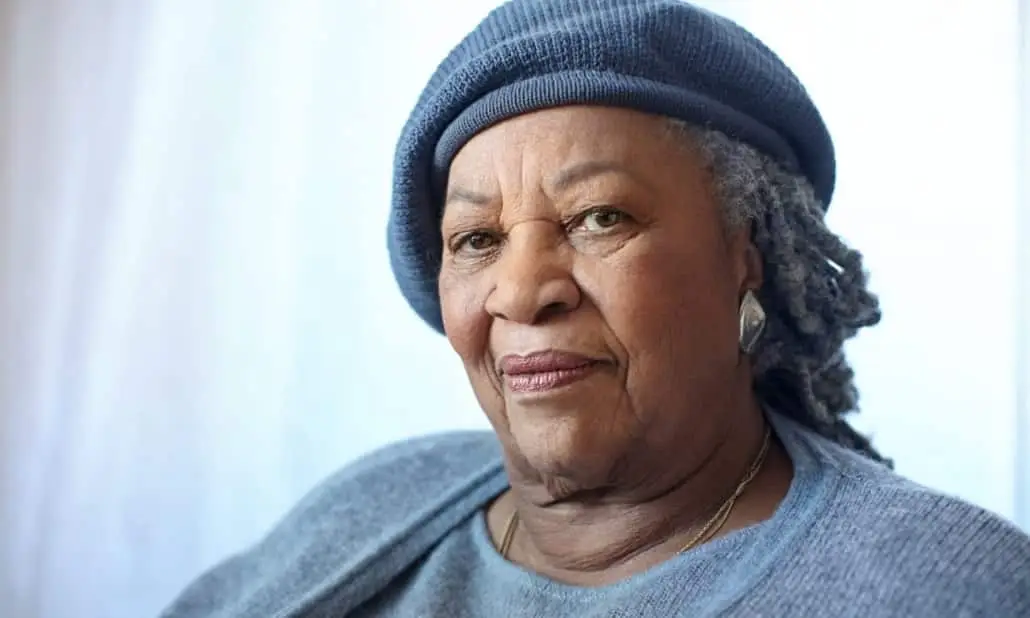
Across centuries of American texts, Black authors have crafted powerful narratives and reshaped the understanding of what American literature can be. From the earliest voices of resistance to today’s genre-bending innovators, their works have left a lasting impact on culture, politics, and collective memory.
Below are 10 significant figures whose contributions, rooted in lived experience and vivid imagination, continue to influence readers and writers alike.
1. Toni Morrison (1931–2019)
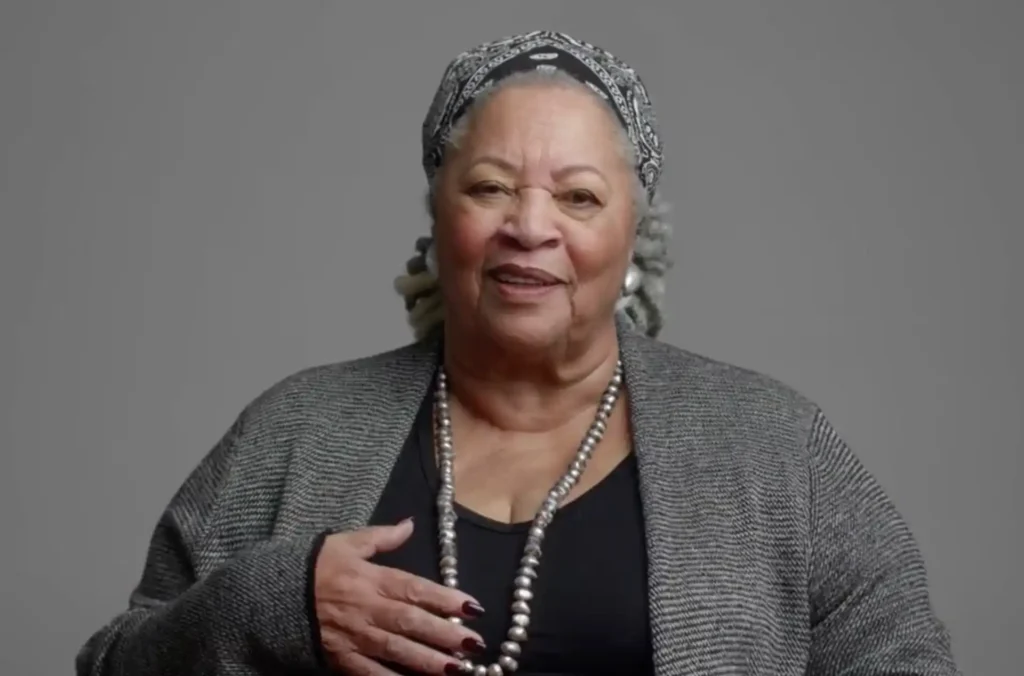
A Nobel laureate and Pulitzer Prize winner, Morrison transformed American fiction with her rich portrayals of Black life. In novels like Beloved and Song of Solomon, she explored the emotional legacies of slavery and community with poetic precision and psychological depth.
Her writing consistently highlights the humanity and complexity of her characters. As she famously stated, “You wanna fly, you got to give up the shit that weighs you down.”
This reflects her belief in literature’s ability to free the imagination while confronting pain.
2. James Baldwin (1924–1987)
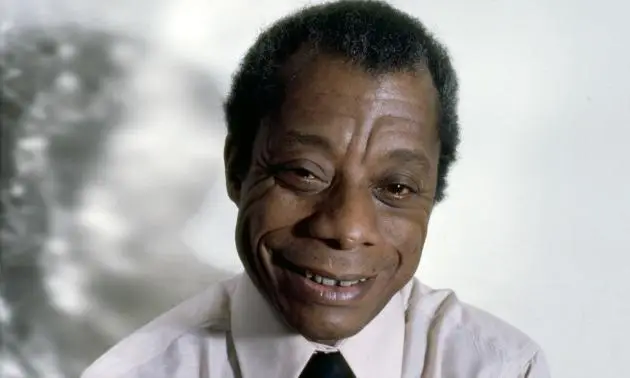
Baldwin’s impactful writing combined essays, novels, and personal confessions to tackle racism, sexuality, and the promise of America.
In Go Tell It on the Mountain and The Fire Next Time, he wrote with urgency and clarity about the destructive law of denying another’s humanity, a theme that still resonates today.
His belief that one must confront the truth before enacting change remains a key principle of Black American literature.
3. Maya Angelou (1928–2014)
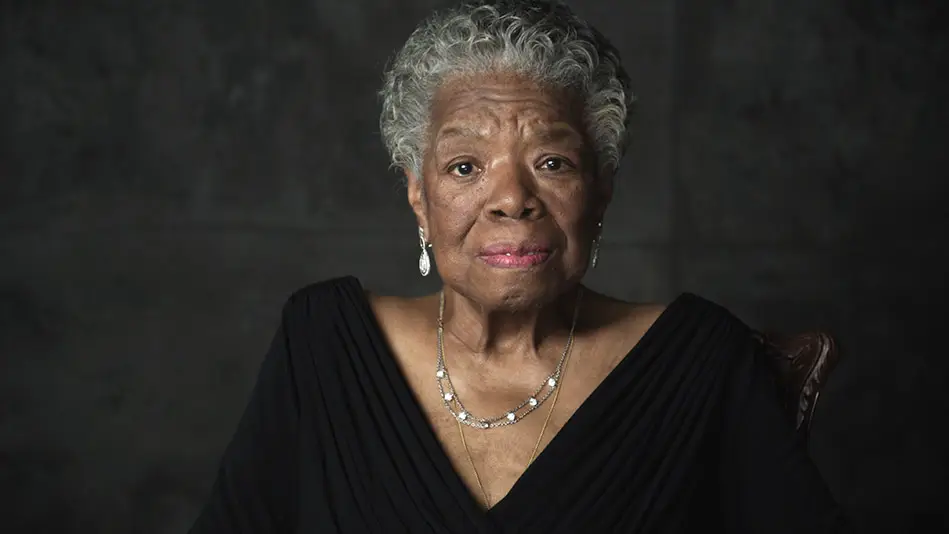
Angelou’s groundbreaking autobiography, I Know Why the Caged Bird Sings, brought Black womanhood and resilience into mainstream memoir for the first time.
Her lyrical voice, both personal and political, opened doors for future generations to tell their own complex stories.
Her poetry and performances, including her reading at President Bill Clinton’s 1993 inauguration, highlighted her role as both an artist and a cultural ambassador.
4. Langston Hughes (1901–1967)
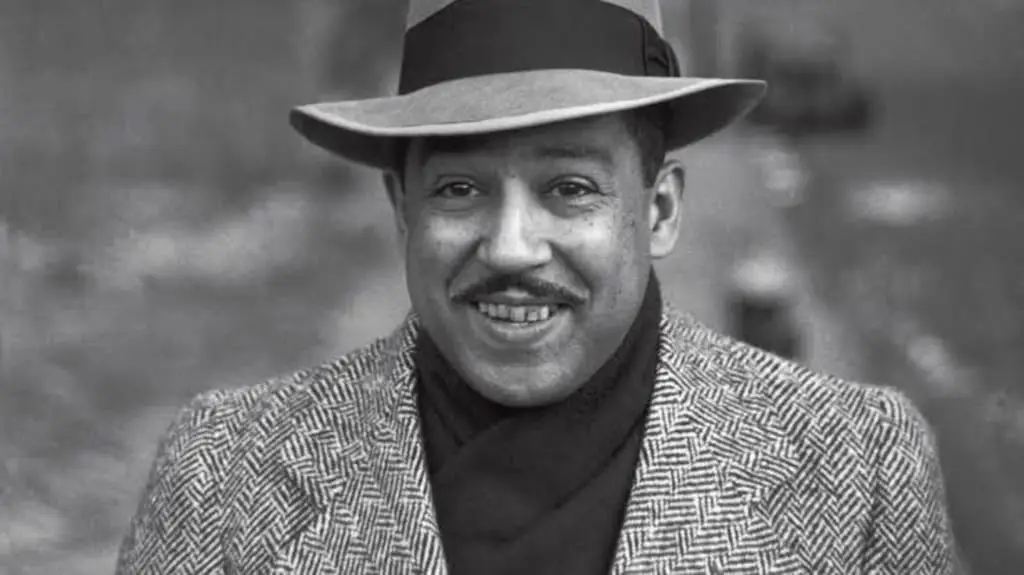
A leading figure of the Harlem Renaissance, Hughes celebrated African American life in all its rhythms, joys, and sorrows.
His work, from The Weary Blues to the poem Harlem (Dream Deferred), blended jazz rhythms with clear social insight, asserting a Black aesthetic that resisted racial marginalization and broadened the range of American poetry.
5. Ralph Ellison (1914–1994)
Ellison’s Invisible Man remains one of the most profound explorations of identity and invisibility in America.
Through its unnamed protagonist, the novel sharply examines race, individuality, and societal expectations in mid-century America, establishing a powerful legacy in the canon of American fiction.
6. Alice Walker (born 1944)
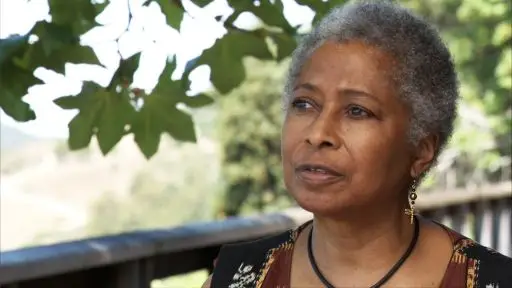
Walker’s The Color Purple became a cultural phenomenon for its rich portrayal of Black women’s lives in the rural South.
Its letter-writing style amplified voices often silenced in mainstream narratives. Walker’s term “womanist” helped establish Black feminist discourse with both tenderness and courage.
7. Charles W. Chesnutt (1858–1932)
As one of the first Black novelists to gain a national audience, Chesnutt used fiction and essays to explore racial identity and social injustice in the post-Civil War era.
Works like The House Behind the Cedars challenged prevailing views on race, passing, and American democracy, laying the groundwork for later writers to investigate American racial constructs.
8. Jean Toomer (1894–1967)
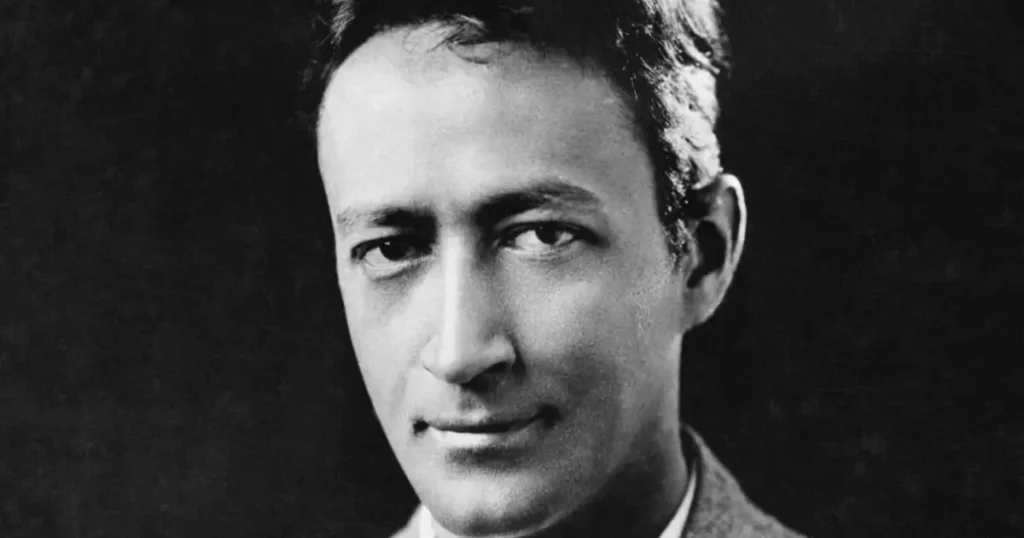
A key voice of modernism, Toomer’s Cane is a unique work that blends poetry, prose, and folklore into a portrayal of Black life in rural Georgia and urban North.
Its innovative form and expressive language made it an enduring landmark in early twentieth-century literature and a reference for later experimental writers.
9. Gayl Jones (born 1949)
Though often overlooked for years, Jones has become one of the most transformative Black writers of the late twentieth and early twenty-first centuries.
Her debut novel Corregidora and later works like Palmares delve into the legacy of slavery and the inner lives of Black women with a linguistic flair and psychological depth that critics have praised as groundbreaking.
10. W.E.B. Du Bois (1868–1963)
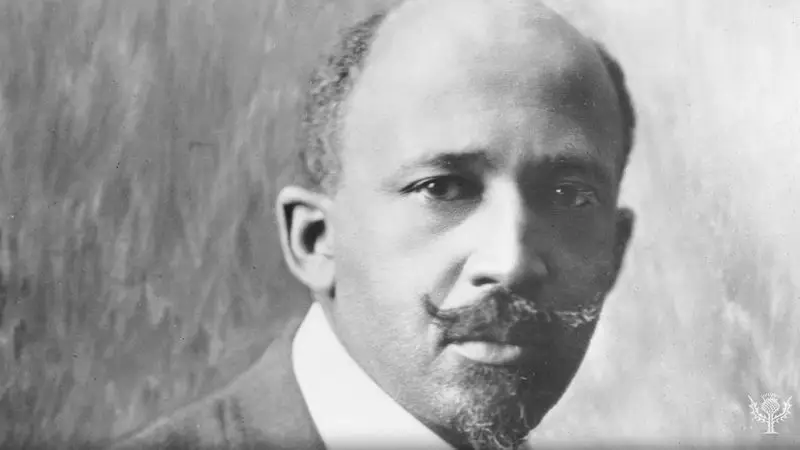
Best known as a scholar and civil rights activist, Du Bois’s The Souls of Black Folk introduced the idea of “double consciousness.” This is the feeling of seeing oneself through one’s own experiences and through the perspective of a society structured by racial prejudice.
His poetic essays and social critique have been vital in both literary and cultural studies, shaping discussions about race, identity, and democracy for over a century.
Conclusion
These ten authors represent a legacy of voices that have not only written about America but have changed how we read, understand, and envision it. Their work confirms that American literature, in all its richness and tension, is inseparable from the Black experience.
Each voice resonates not only across time but also within the ongoing story of freedom, justice, and artistic possibility.