The finest workout regimens for individuals who are dedicated to their fitness are those that are both engaging and long-lasting. Fitness routines popular in Black communities produce quantifiable health and fitness outcomes.
Certain exercises have gained popularity in many Black communities because they combine accessibility and fun to drive results.
Below are five of such routines:
1. Dance‑Based Workouts (Hip‑Hop & Afrobeat Dance)
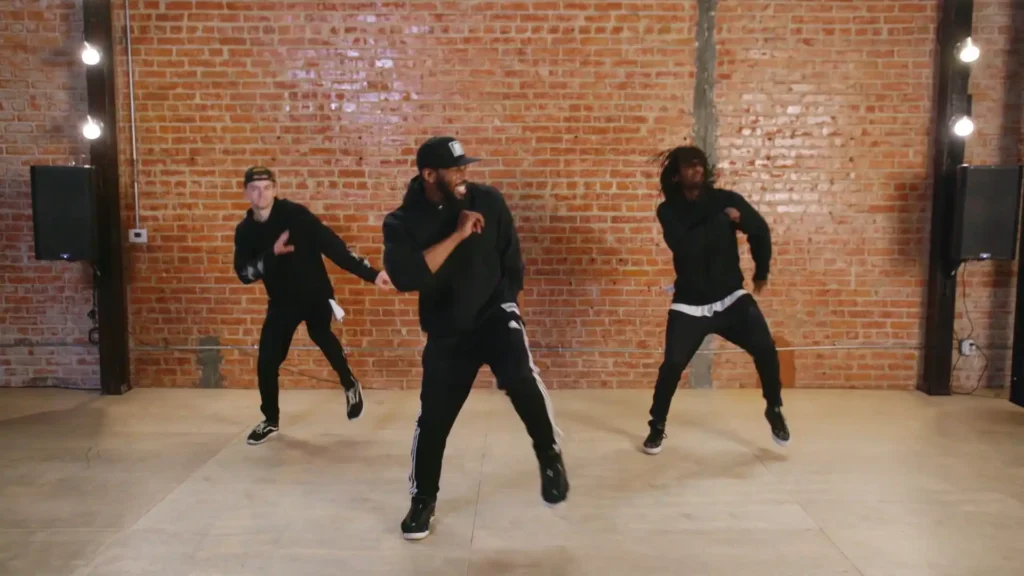
Dancing is a great cardiovascular workout and it is quite enjoyable. Studies have submitted that hip-hop and other rhythmic dance classes have many advantages. They enhance aerobic endurance, motor skills, balance, and general physical activity levels.
So far, hip-hop dance workouts have been shown to improve participants’ coordination and enjoyment of movement.
Compared to sedentary lives, meta-analyses demonstrate that dance therapies can considerably help in weight and body fat reductions.
2. High‑Intensity Interval Training (HIIT)
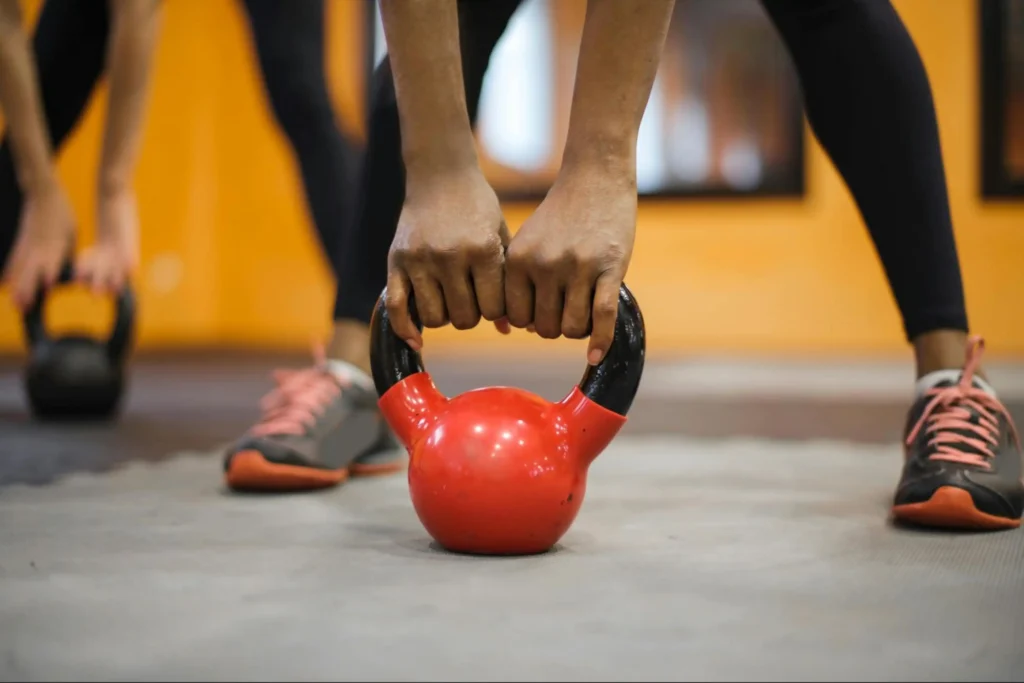
From research, HIIT has been proven to improve physical fitness, particularly for time-constrained individuals. Scientific Reports compared it to other training methods, HIIT dramatically increases cardiorespiratory fitness (VO₂ max) and decreases body fat percentage.
This fitness routine is particularly attractive to exercisers seeking quick gains in body composition and perseverance.
Additionally, studies indicate that HIIT may be more time-efficient than conventional exercise, offering significant results in fewer sessions.
3. Bodyweight & Calisthenics Training
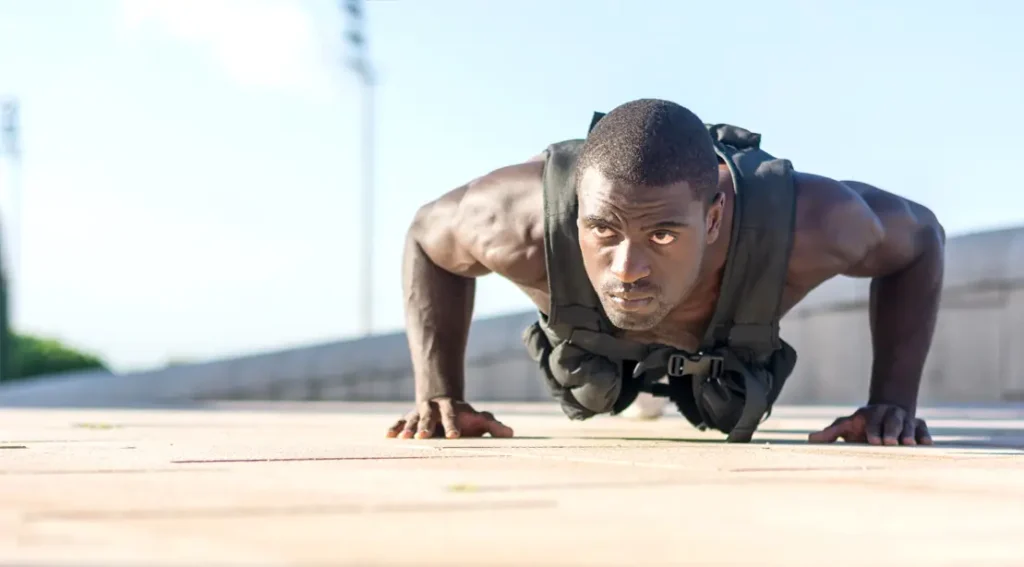
Bodyweight training remains a primary exercise over the years. They includes push-ups, squats, lunges, planks, and other exercises utilizing your own body as resistance. These exercise can be done anywhere and doesn’t require any equipment.
It also satisfies international exercise guidelines for functional fitness and muscular strengthening that are supported by significant health organizations.
By enhancing strength, stability, mobility, and core engagement, these exercises create functional fitness that facilitates everyday movement and lowers the chance of injury.
4. Walking & Running / Jogging

One of the most scientifically proven physical exercise is aerobic exercise. It involves running or brisk walking.
Researchers have submitted that getting at least 150 minutes of moderate-intensity aerobic exercise a week greatly improves body weight, body fat, and cardiovascular health.
Also, epidemiological analyses have shown that even shorter periods of moderate activity (as little as 11 minutes per day) are linked to a lower risk of cardiovascular disease and early mortality.
Walking and running also help build consistency for those who like quantifiable progress.
5. Boot Camp‑Style Training
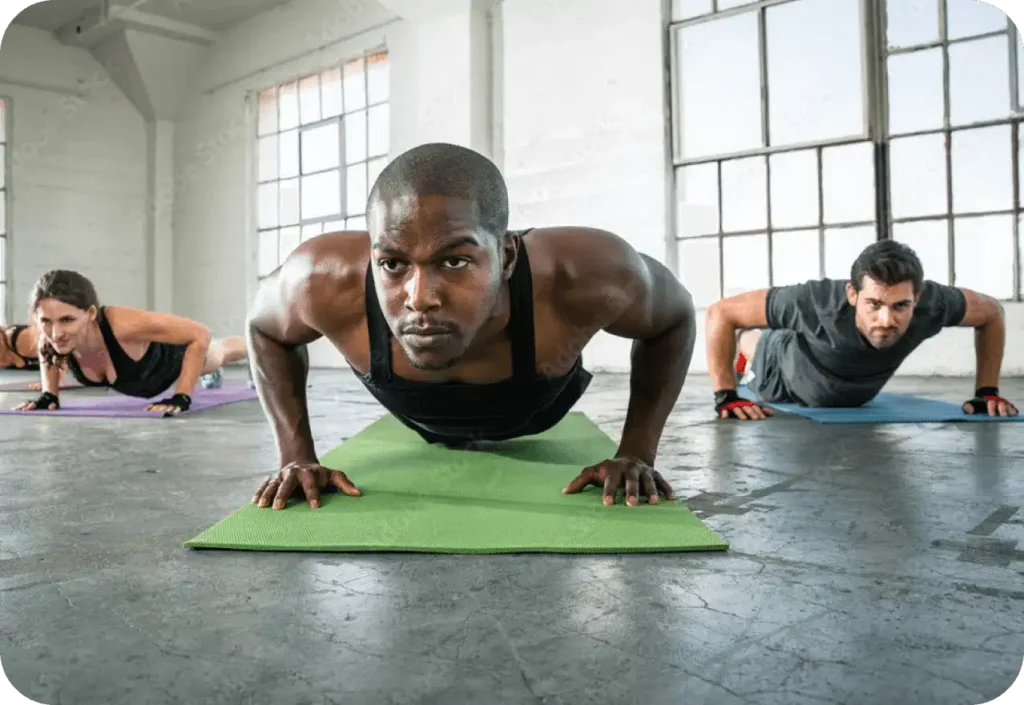
Strength and aerobic intensity are all combined in boot camp exercises. It frequently include interval training.
According to research, boot camp-style programs can increase heart rate into efficient training zones, burn calories, and promote increases in functional fitness.
So far, participants in boot camp-style exercises have reported improvements in weight loss, visceral fat reduction, and total energy expenditure.
People who need diversified, full-body workouts that incorporate strength, agility, endurance, and metabolic training will find this technique appealing.
In conclusion, these practices are not only well-liked but also successful. They are excellent options for people who want to work out regularly and see results. They mix real-world accessibility with evidence-based benefits.