

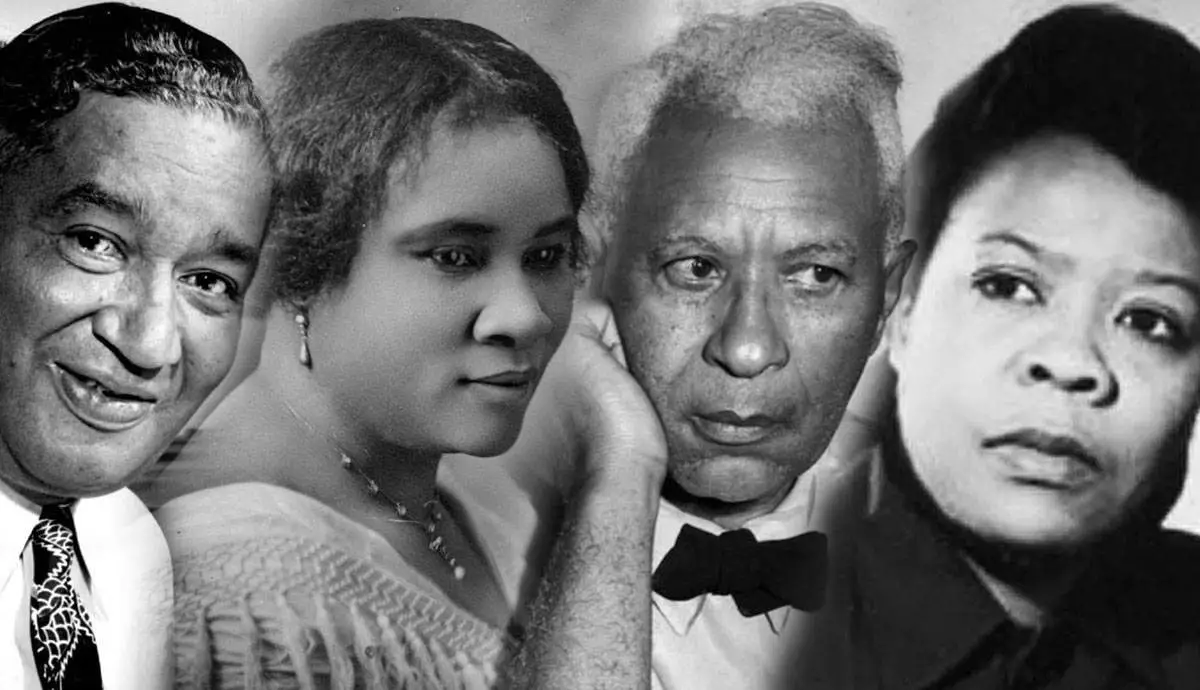
Many Black inventors who changed daily life are frequently overlooked when discussing innovation. However, their concepts subtly influence everything from home comforts to traffic safety in the contemporary world.
You probably use or profit from the inventions of these ten Black inventors on a daily basis.
1. Garrett Morgan: The Traffic Signal
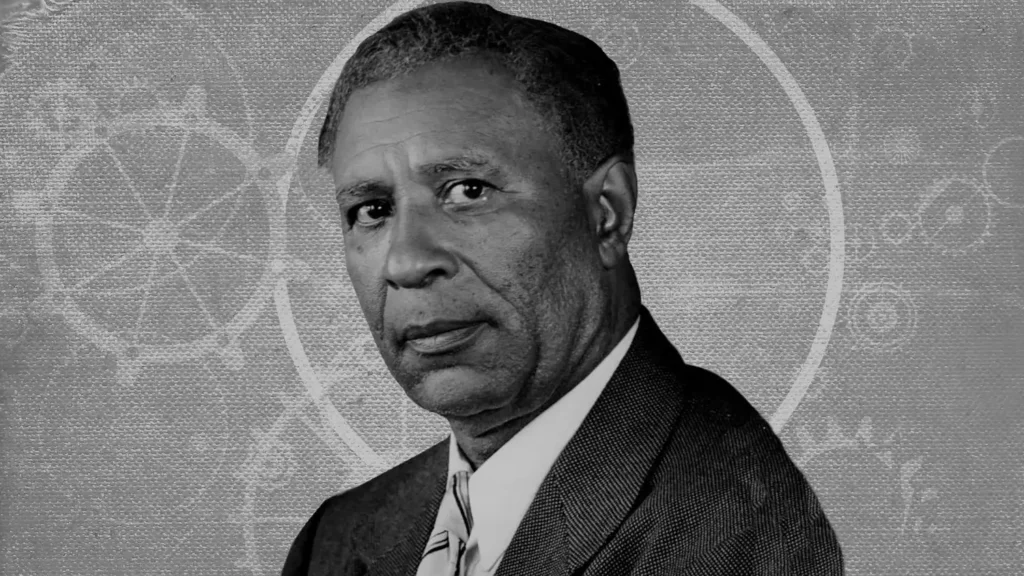
Before the invention of contemporary traffic lights, intersections were dangerous and chaotic. An early three-position traffic signal was created by Garrett Morgan, who also introduced the “warning” phase that averts collisions.
Garrett Morgan patented his three-position traffic signal in 1923.
His efforts established the foundation for traffic systems across the globe. Morgan’s concept is in action each time you pull over at a red light.
2. Marie Van Brittan Brown: Systems for Home Security
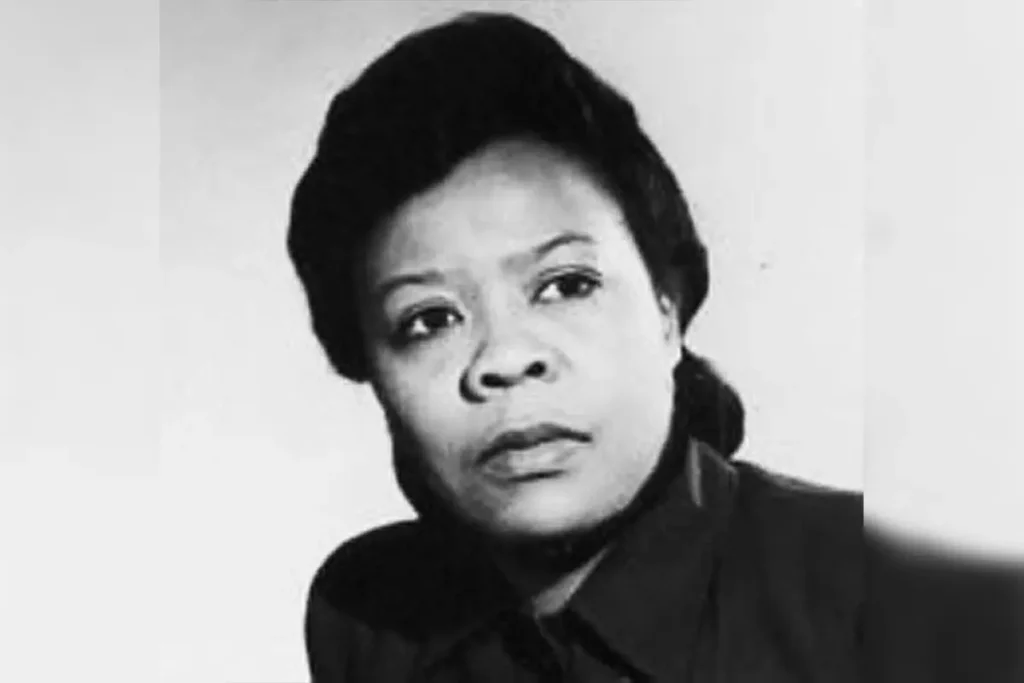
Brown, who was worried about crime in her community, created the first home security system first home security system in 1966.
These included cameras, monitors, and a two-way microphone to combat crime in her neighborhood. Smart doorbells and home surveillance systems can be traced back to Brown’s invention.
3. George Washington Carver: Agricultural Innovation
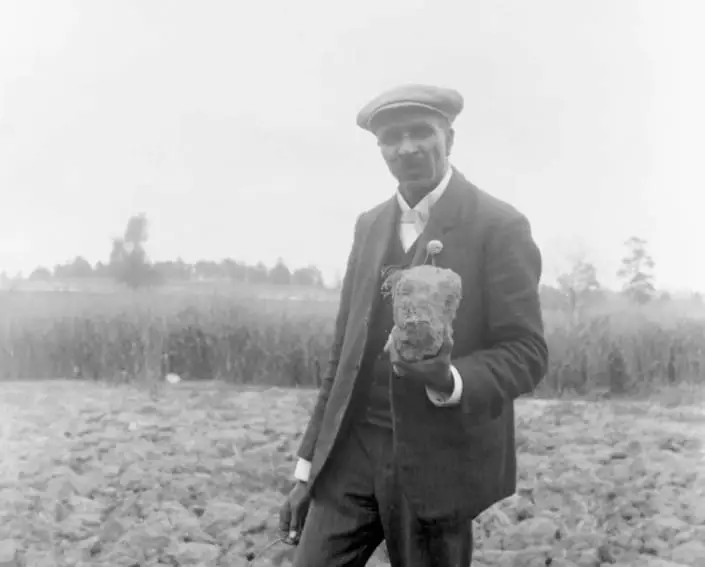
Carver did not invent the peanut, but his research helped farmers avoid soil depletion and financial ruin by developing hundreds of uses for peanuts, sweet potatoes, and soybeans. He developed over 300 uses for peanuts to create a market for it.
Today, Carver’s research is largely responsible for crop rotation and sustainable farming methods.
4. Frederick McKinley Jones: Refrigeration Technology
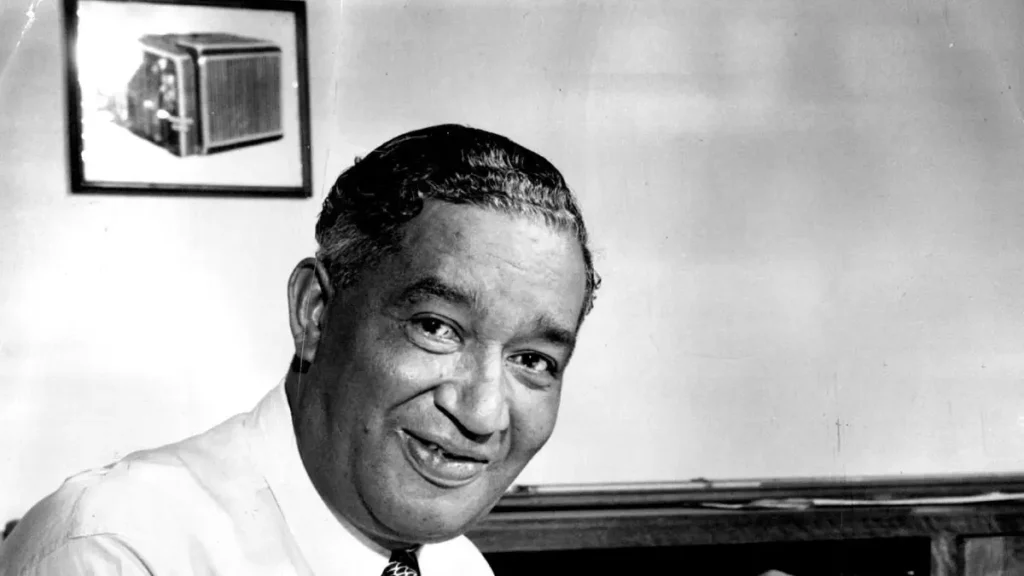
Jones created transportable refrigeration units that revolutionized food transportation and storage, particularly for perishables and medications. Frederick McKinley Jones received his key patent for mobile refrigeration technology in 1940.
This technology is essential to frozen foods, vaccines, and modern grocery supply chains in the modern world today.
5. Lonnie Johnson: The Super Soaker

While working on a prototype heat pump, NASA engineer Johnson unintentionally created the Super Soaker which was first released commercially in 1989. It went on to become one of the most popular toys ever.
It demonstrates that Black innovation can influence global pop culture in addition to science labs.
6. Granville T. Woods: Electrical Systems
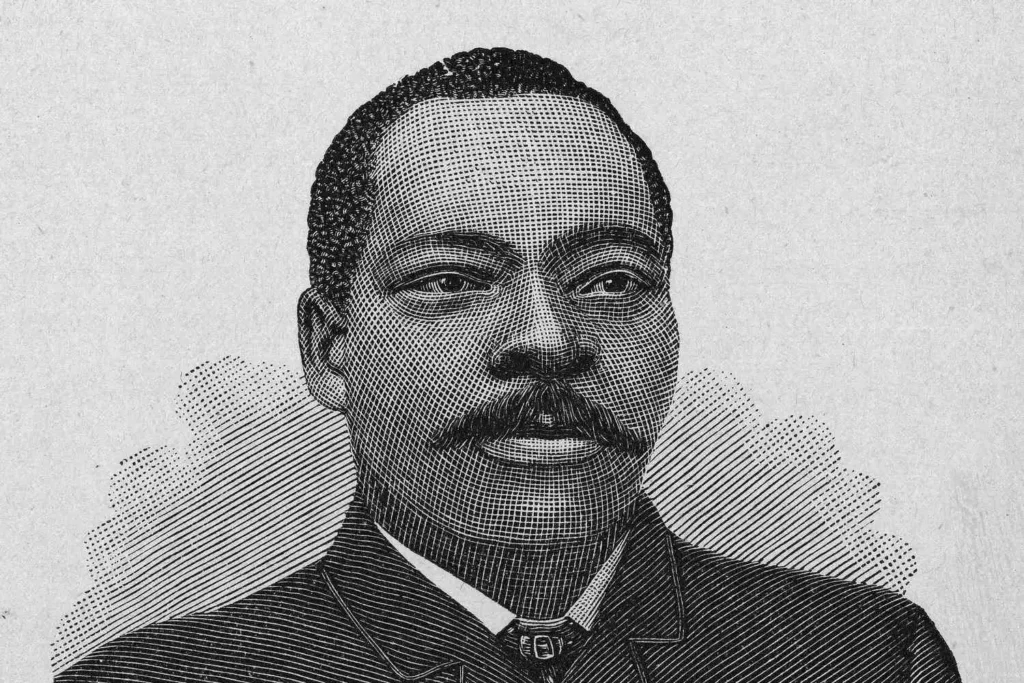
Woods, who is frequently referred to as the “Black Edison,” created safer railway communication techniques, patented in 1887. He also created other advancements in electrical systems.
His efforts made public transportation safer and more dependable.
7. Madam C.J. Walker: Haircare Innovation
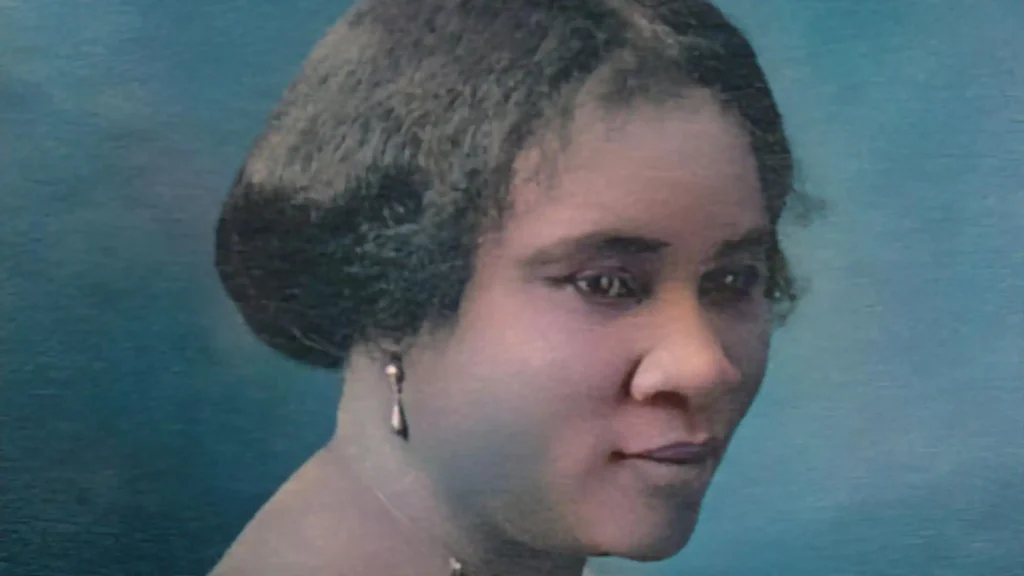
Walker created one of the first self-made female millionaire companies in America and created specialized hair products for Black women.
She laid the groundwork for the contemporary Black beauty industry.
8. Lewis Latimer: Light Bulb Technology
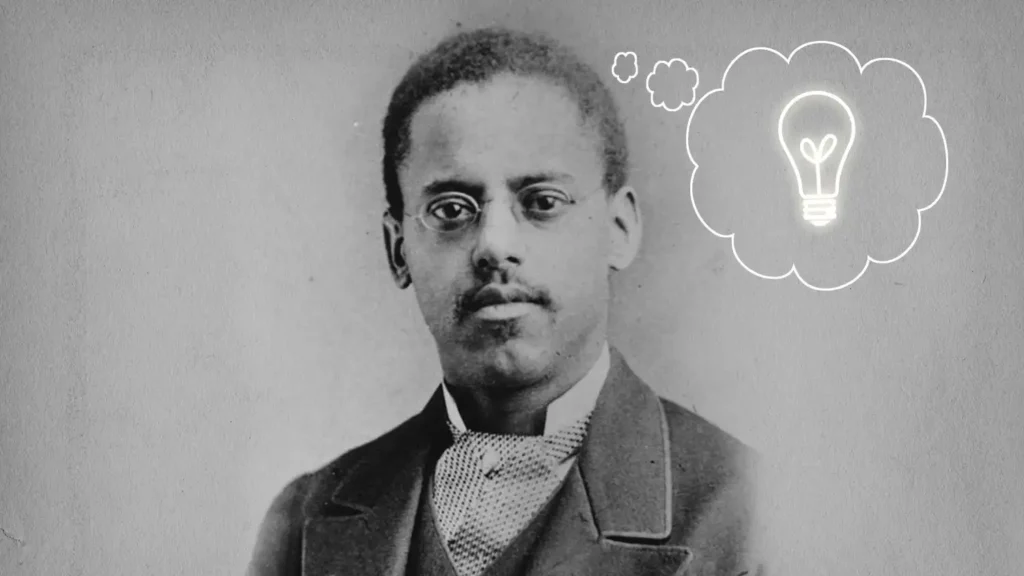
Latimer made light bulbs more affordable and useful for regular homes by improving the carbon filament used in them. He significantly improved light bulb technology in 1881 by inventing a longer-lasting carbon filament.
Without his work, electric lighting would not be widely available.
9. Mark Dean: Personal Computing
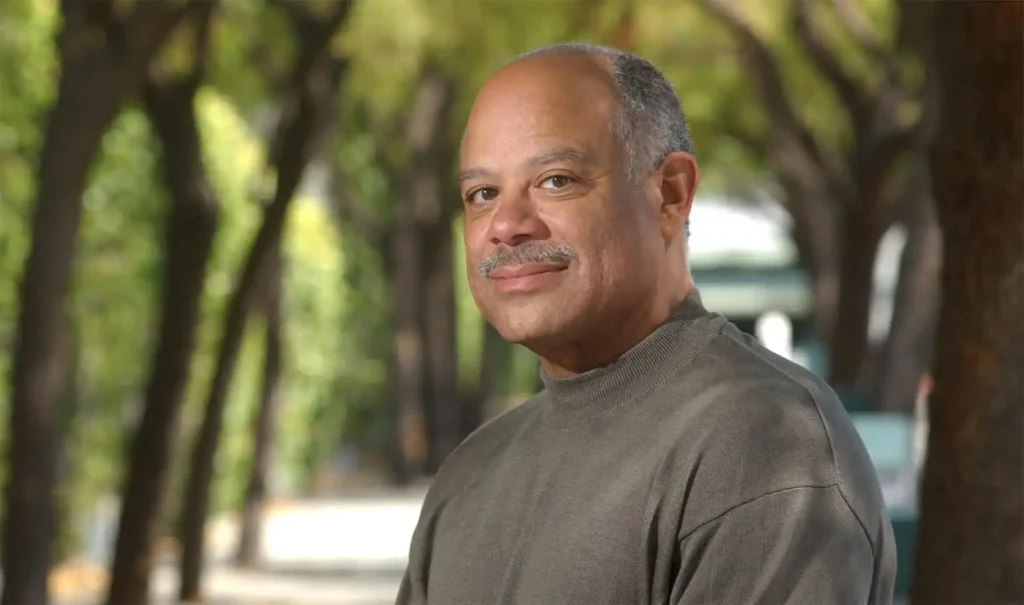
Mark Dean played a key role in personal computing in 1981. Dean contributed to the development of keyboard and monitor technology and co-invented the IBM personal computer.
His work is essential to the use of computers in offices and classrooms.
10. Sarah Boone: The Modern Ironing Board
Boone made improvements to the ironing board’s design, making it narrower and more effective for items like dresses and sleeves. She received a patent for her improved ironing board design in 1892.
Her innovation made ironing more efficient and helped shape the modern ironing board we still use today.
The Significance of These Stories
Black inventors not only made products, but they also found solutions to actual issues, while overcoming racism, marginalization, and financial constraints. Their inventions still influence how we live today.
Black history is more than just the past. It has to do with an enduring impact.