In the United States, hair is more than just a look for Black people. It is a deep symbol of identity, history, and resistance. For centuries, natural hair and textured styles have been part of the fight against Eurocentric beauty standards and systemic discrimination.
This has turned personal grooming into a political and cultural act. The importance of Black hair goes back to pre-colonial Africa.
Intricate braids, twists, and locs expressed community ties, status, and life stages. These styles were meaningful and woven into social contexts. However, during slavery and segregation, these cultural expressions were devalued under oppressive standards that favored straighter hair.
This made natural texture a disadvantage in schools, workplaces, and society as a whole.
The mid-20th century brought a major change with the rise of the natural hair movement, which was part of the larger Black Power and “Black is Beautiful” campaigns. Figures like Angela Davis and the Grandassa Models wore afros and other natural styles as symbols of pride in African heritage and resistance to assimilation.
This was not just about fashion; as historian Emma Dabiri points out in Don’t Touch My Hair. Natural hairstyles have often reflected the deeper social, cultural, and psychological aspects of Black identity.
According to the National Museum, Monica Millner, featured in the Smithsonian’s Strands of Inspiration, expresses this idea: “I feel that the kinks, curls, or tight coils in Afro hair are beautiful and unique… that makes me proud.”
Yet, despite progress, discriminatory views remain. This has led to laws like the CROWN Act, which has been adopted in several states to prohibit race-based hair discrimination in schools and workplaces.
For many, the journey to accept natural hair is closely linked to self-acceptance. Stylist Gara Auster shares that leaving behind chemical relaxers and returning to her natural texture felt awkward at first. However, it became “a new start” in accepting her true self.
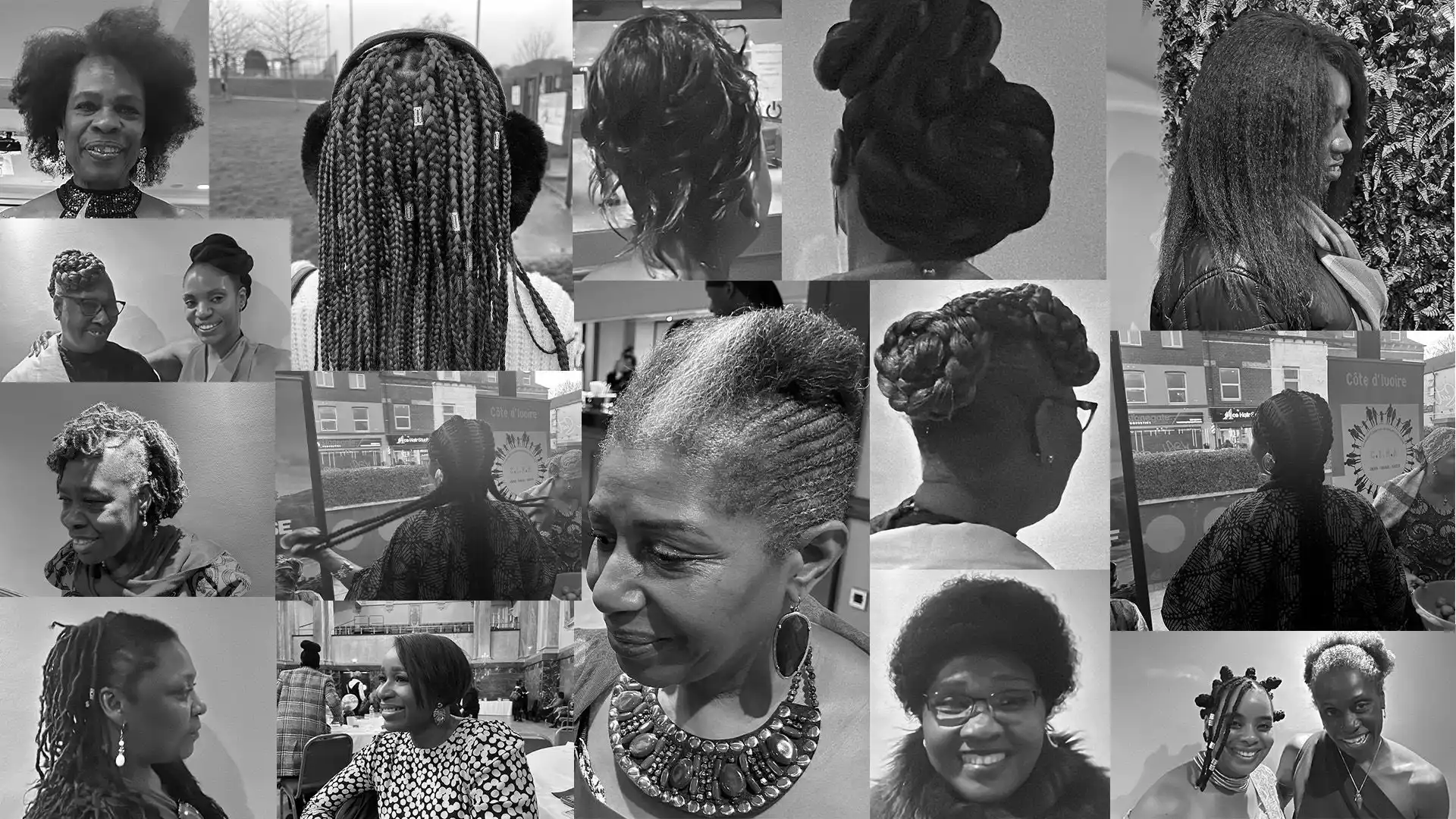
Beyond personal choices, natural hair serves as a canvas for artistic expression and cultural storytelling. From braids and bantu knots to afros and twists, these styles celebrate heritage. It also pushes back against narrow beauty standards that have often sidelined Black aesthetics.
In short, natural Black hair is significant because it represents more than just hair. It is a living testament to resilience, identity, and the ongoing fight for recognition and respect in American society.