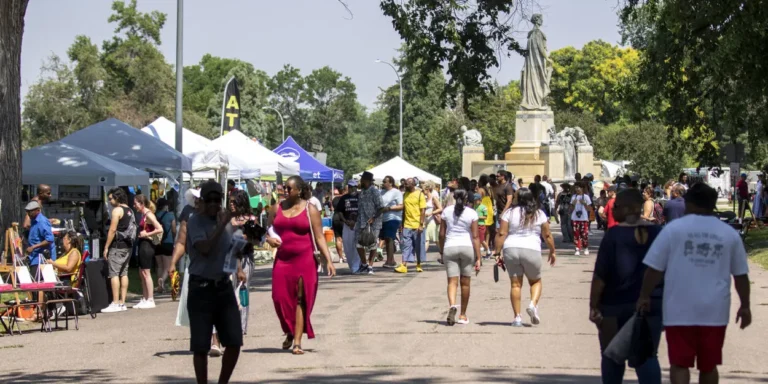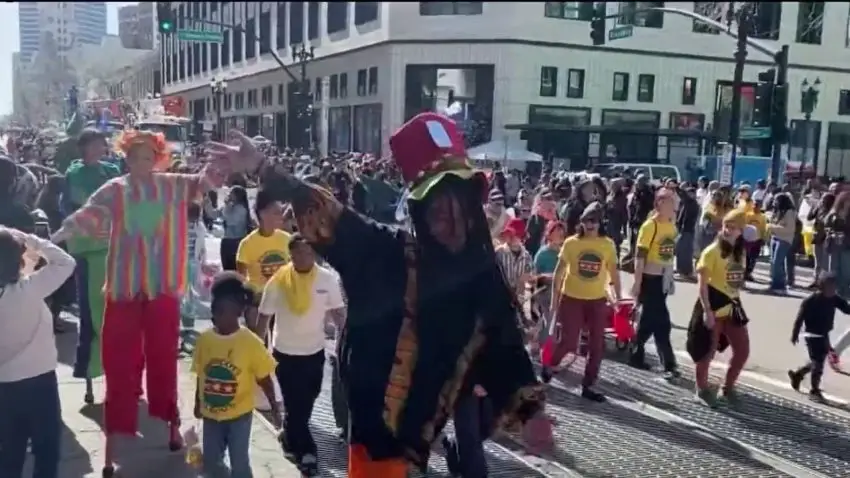
Thousands of revelers filled downtown Oakland on Sunday as the city celebrated Black life, culture, and community. The Black Joy Parade returned for its ninth year. The crowds stretched along Broadway and into the surrounding blocks.
This annual event has become a key part of Black History Month in the Bay Area. It honors the history, creativity, and cultural impact of Black communities while looking forward with optimism and pride.
A Celebration With a Mission
Elisha Greenwell, a brand strategist and civic activist, founded the parade in 2018. It was created as a positive space to celebrate the Black experience beyond the typical narratives of struggle. The event highlights joy, achievements, and community contributions that often receive little recognition.
“This event is about us, our culture, our history, and our future,” Greenwell said in remarks published in a county proclamation acknowledging the parade’s impact, according to reports. “It’s a moment for us to gather, celebrate how far we’ve come, and visualize where we’re headed.
Crowds, Color and Community
Spectators lined the parade route from 14th Street to downtown. They cheered as costumed performers, dance troupes, horseback riders, lowriders, and local community groups passed by with the lively music in the background.
“Every time they have it, I miss it. This time I’m in it,” said Brenda McGaffie, who attended with her sorority sisters. “It celebrates joy, and that could mean liberation, that could mean just pride in who you are.”
Paige Nicholson, the parade’s executive producer, told NBC Bay Area that creating space for celebration has become a key part of the event’s mission. “It celebrates joy,” Nicholson said. “And that could mean liberation or just pride in who you are.”
Echoes of the Past, Eyes on Tomorrow
Musical performances by Grammy-winning artist Mýa and Caribbean-R&B singer Nesta energized the post-parade festival. Over 200 vendors showcased Black-owned businesses, artisans, and food entrepreneurs.
Grand Marshal Brigitte Jessica Cook, a public safety advocate known for her work in violence prevention, addressed the crowd about the importance of celebrating cultural heritage while investing in the city’s future.
For many, the parade stands as a positive response to the broader socio-economic challenges facing Oakland. “Oakland is moving and moving up,” said McGaffie. “We’re doing something here.”
A Festival That Grows Every Year
The parade’s growth reflects its cultural significance and the deep roots of Black history in the region. What started as a daytime procession of dancers, poets, and musicians has expanded to include community discussions and educational elements to reinforce pride, connection, and cultural continuity.
“It’s about creating space for people to show up with joy,” one festival organizer said, capturing the spirit that has made the Black Joy Parade a highlight of Oakland’s Black History Month calendar.