
You Won’t Believe How Afroman Won the “Lemon Pound Cake” Case

Share
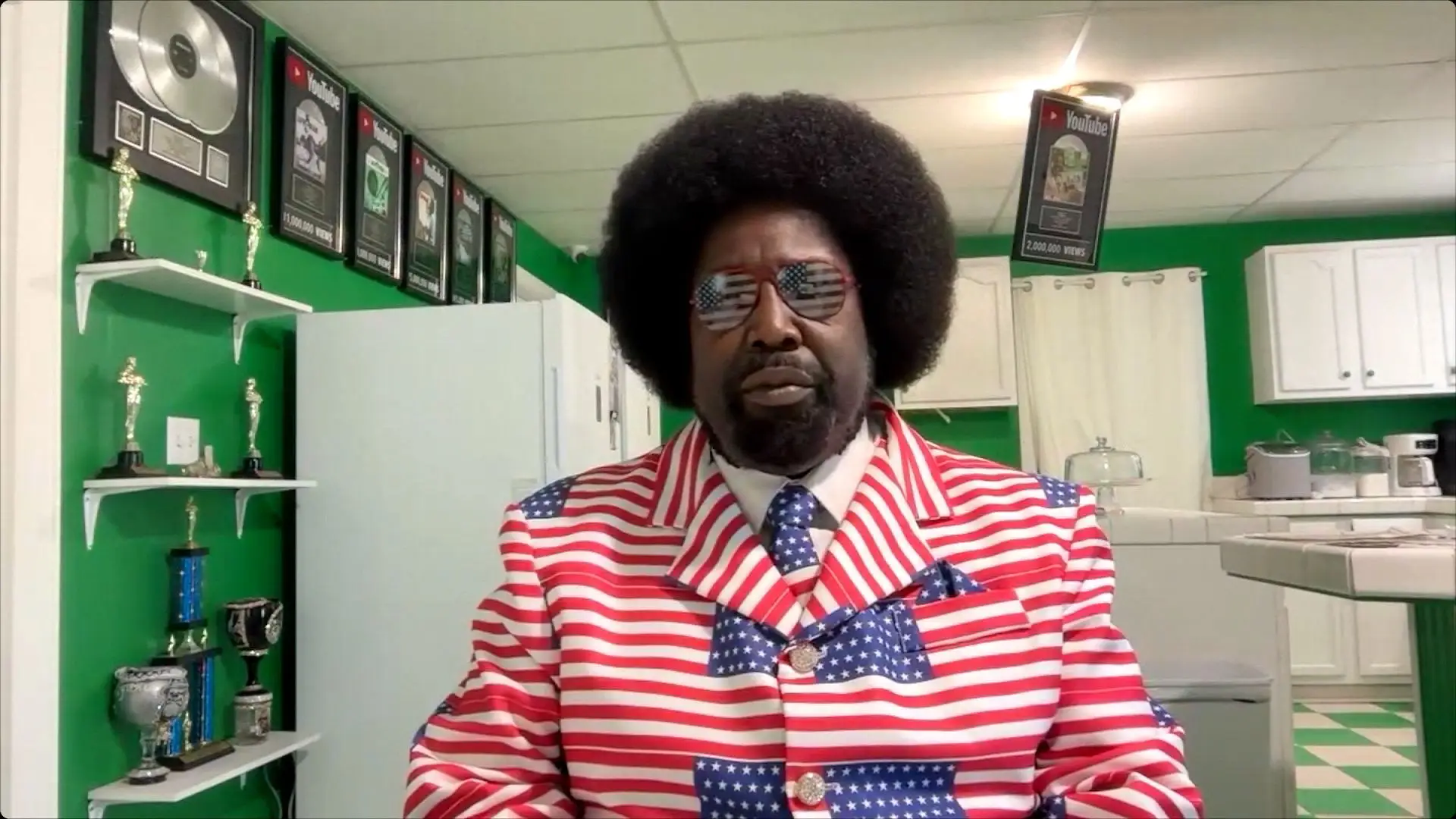
In a courtroom battle that mixed music, satire, and constitutional law, Grammy-nominated rapper Afroman achieved a significant win that many see as a key moment for artistic freedom.
At the core of the case was his viral song and video, “Lemon Pound Cake.” This satirical piece responded to a controversial police raid on his Ohio home in 2022. The outcome sparked not only a lawsuit but also a national discussion about free speech, creative expression, and accountability.
What Was the “Lemon Pound Cake” Case About?
The legal dispute goes back to August 2022, when sheriff’s deputies in Adams County searched Afroman’s home, suspecting drug trafficking and kidnapping. The raid found no evidence and led to no charges.
In reaction, Afroman did what he does best, he turned this experience into music.
Using footage from his home surveillance, Afroman produced a series of songs and videos, including “Lemon Pound Cake” and “Will You Help Me Repair My Door?” He portrayed the raid with humor and critique.
The content quickly went viral, gaining millions of views and renewing his cultural relevance.
Why Did Police Sue Afroman?
Seven deputies involved in the raid filed a lawsuit in 2023, accusing the rapper of:
- Defamation
- Invasion of privacy
- Intentional emotional distress
They claimed the videos mocked them, damaged their reputations, and subjected them to public ridicule, seeking nearly $3.9 million in damages.
Their case relied on a key question: Did Afroman cross the boundary between satire and harmful falsehood?
How Did Afroman Win the Case?
After a closely watched trial in March 2026, a jury ruled in favor of Afroman, finding him not liable on all counts.
1. Free Speech Took Center Stage
Afroman’s legal team argued that his work was protected under the First Amendment as artistic expression and satire.
His defense highlighted that:
- The videos were commentary, not factual reporting
- Public officials, especially police, must accept criticism
2. The Raid’s Outcome Strengthened His Case
The absence of criminal charges from the raid became a strong point in his favor. Afroman told the court that the raid was a mistake and that without it, the songs would never have been created.
3. Satire Was Recognized as Legitimate Expression
The jury ultimately agreed that his videos, while provocative, fell within the realm of comedic and artistic storytelling, not defamation.
A Victory Beyond Music
Outside the courthouse, Afroman celebrated the verdict as a win not just for himself, but for the public as well: “Freedom of speech! Right on!”
The case sets an important precedent: Artists can challenge authority, even make fun of it, without fear of legal consequences, as long as their work stays within protected expression.
Why This Case Matters Globally
For creators, journalists, and entrepreneurs, the implications are significant:
1. Creative Freedom Is Protected
The ruling confirms that satire and commentary are powerful and lawful forms of expression.
2. Public Officials Face Higher Scrutiny
The case highlights a long-standing legal principle: Those in power must handle public criticism.
3. Content Can Be Both Viral and Defensible
Afroman turned a personal setback into content, culture, and ultimately, a courtroom victory.
The Bigger Lesson: Turning Pain Into Power
What makes this story special is not just the legal win, but the strategy behind it.
Afroman transformed:
- A failed police raid
- Property damage and public controversy
Into:
- Viral content
- A cultural moment
- A landmark legal victory
In doing this, he showed that a story, no matter how tough, can become a strong asset when told boldly and honestly.
Key Takeaways (Quick Answers)
Who won the Lemon Pound Cake case?
Afroman won, with the jury ruling completely in his favor.
Why was he sued?
Police claimed his videos defamed and ridiculed them.
Why did he win?
The court recognized his work as protected satire and free speech.
What does it mean?
It strengthens legal protections for artistic expression and criticism of public officials.