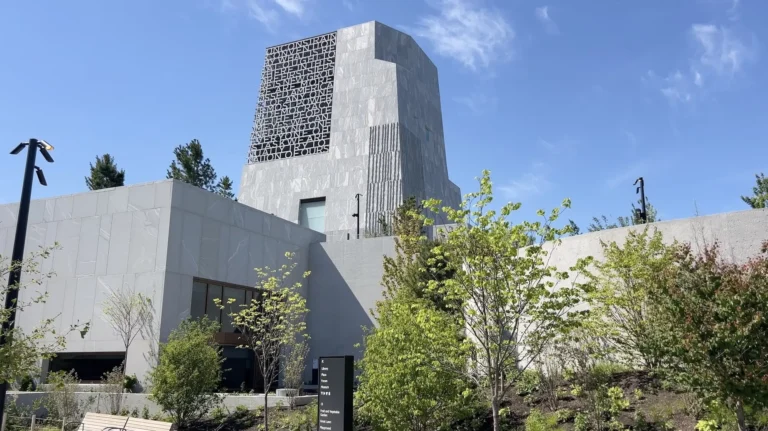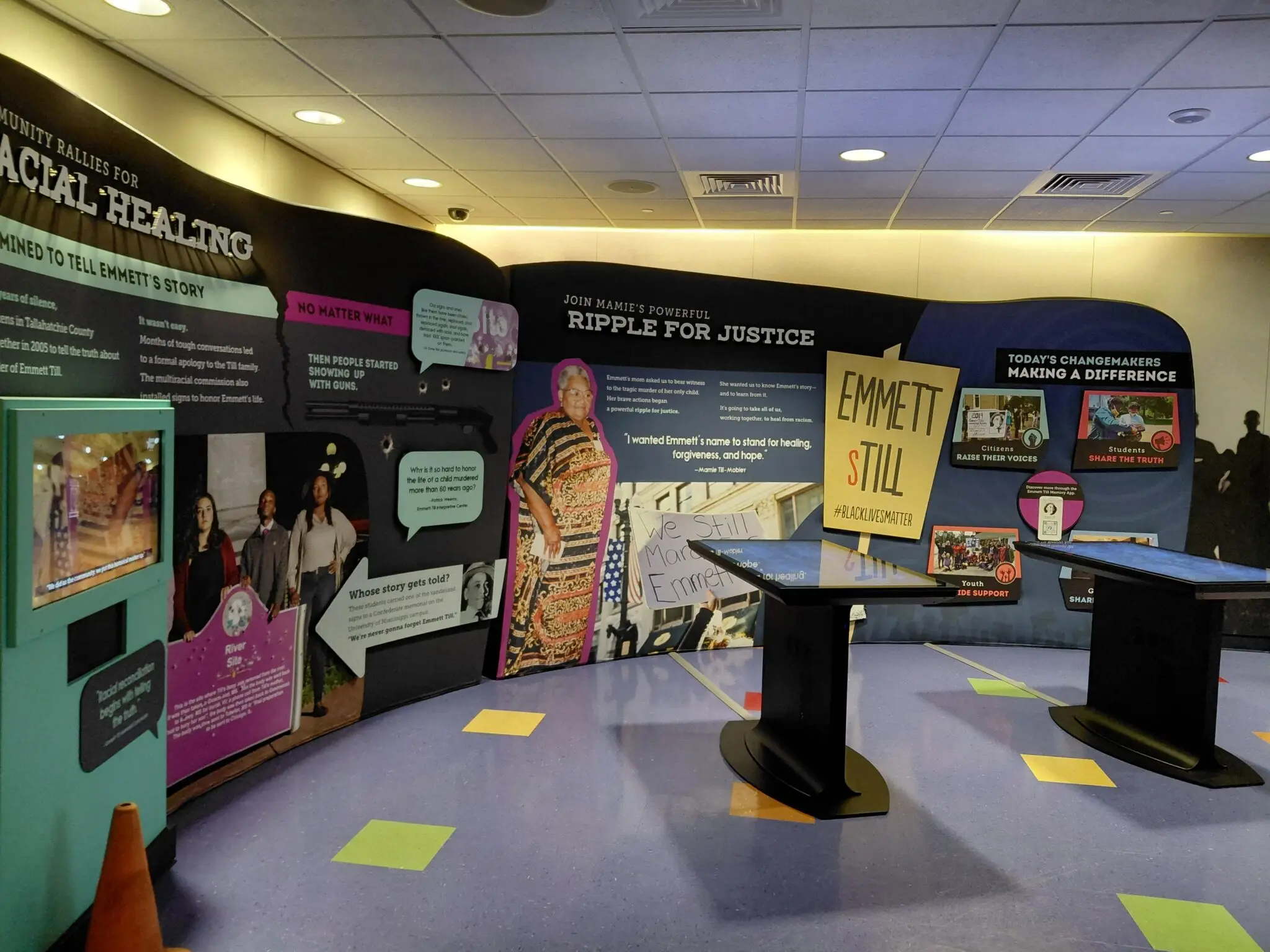
The Civil Rights Memorial Center in Montgomery has opened a large traveling exhibition. The exhibition is called “Emmett Till & Mamie Till-Mobley: Let the World See.” It is a strong continuation of public engagement with the history and lasting impact of racial injustice in the United States. The exhibit runs from April 28 to August 14, 2026. It offers an immersive and carefully curated exploration of one of the most significant stories in modern American history to visitors in Alabama’s capital.
The exhibit is a collaboration involving the Emmett Till and Mamie Till-Mobley Institute, the Emmett Till Interpretive Center, the Till family, and The Children’s Museum of Indianapolis. It combines interactive elements with historical artifacts and testimonies to enhance public understanding of the personal tragedy and the wide-reaching civil rights legacy it helped spark.
“This exhibit invites us not just to remember, but to reckon with the forces that shaped, and continue to shape, our society,” said Sebastián Encina, director of curation and exhibition, referencing the show’s ongoing national tour, according to reports. “Let the World See asks visitors to confront the reality of Emmett’s life and death, and to carry forward the courage of Mamie Till‑Mobley in their own communities.”
A Story Told Through Lives and Legacies
Emmett Till is a Black boy from Chicago. At 14, white supremacists in Mississippi abducted, tortured, and murdered him in 1955. This is after they had wrongly accused him of inappropriate behavior. The public display of his disfigured body followed the brutality of his killing. The mother, Mamie Till-Mobley, had insisted on this display, which drew widespread media attention and helped spark the modern civil rights movement.
“My son was taken from me, but his story changed the nation,” Till-Mobley said in archival recordings featured in the exhibit. By allowing the world to see the truth of what happened to her son, she marked a turning point in the fight for justice and equality, one that resonates through generations.
Immersive and Interactive Elements
The Montgomery installation includes various compelling components designed to make history relatable:
- Eyewitness Audio Account: A rotary telephone station plays recorded firsthand accounts of Till’s kidnapping. This encourages visitors to connect directly with voices from the past.
- “Emmett Till Funeral” Gallery: A scrolling visual display of photographs traces the solemn journey of Till’s body back to Chicago. This is a moment that sparked outrage across the country.
- Courtroom Sketchpad Interactive: Through recreated courtroom sketches and explanatory panels, visitors follow the trial that ended in acquittal. This is an outcome that exposed systemic failure and racial injustice.
Lauren Blanding, manager of the Civil Rights Memorial for the Southern Poverty Law Center, which oversees the venue, noted that the exhibit goes beyond recounting a painful chapter. “We want you to learn about the history, feel its weight, and continue the conversations that bring justice into the present,” she said at the opening.
Connecting Past, Present, and Future
The traveling show’s presence in Montgomery, a city that has played a key role in civil rights activism, provides a unique context for reflection. Located just blocks from historic sites like the Rosa Parks Museum and the Dexter Avenue King Memorial Baptist Church, the exhibit adds depth to a landscape rich with struggle and triumph.
Educational programming accompanies the exhibition. These include local schools and universities planning guided visits and discussions that connect Till’s story to ongoing issues of racial equity and justice advocacy.
Historians stress that understanding Till’s legacy is crucial for grasping the progress of civil rights in America. “Remembering Emmett Till isn’t about distant history,” civil rights educator Dr. Angela Fields says. “It’s about knowing that the struggles of 1955 still shape our society today, structurally, socially, and morally.”
The exhibit continues its tour across the United States. This is from the Minnetrista Museum & Gardens in Indiana, earlier this year, to future venues. Its mission remains clear: to confront uncomfortable truths, honor courage in the face of adversity, and inspire visitors to promote justice in their communities.