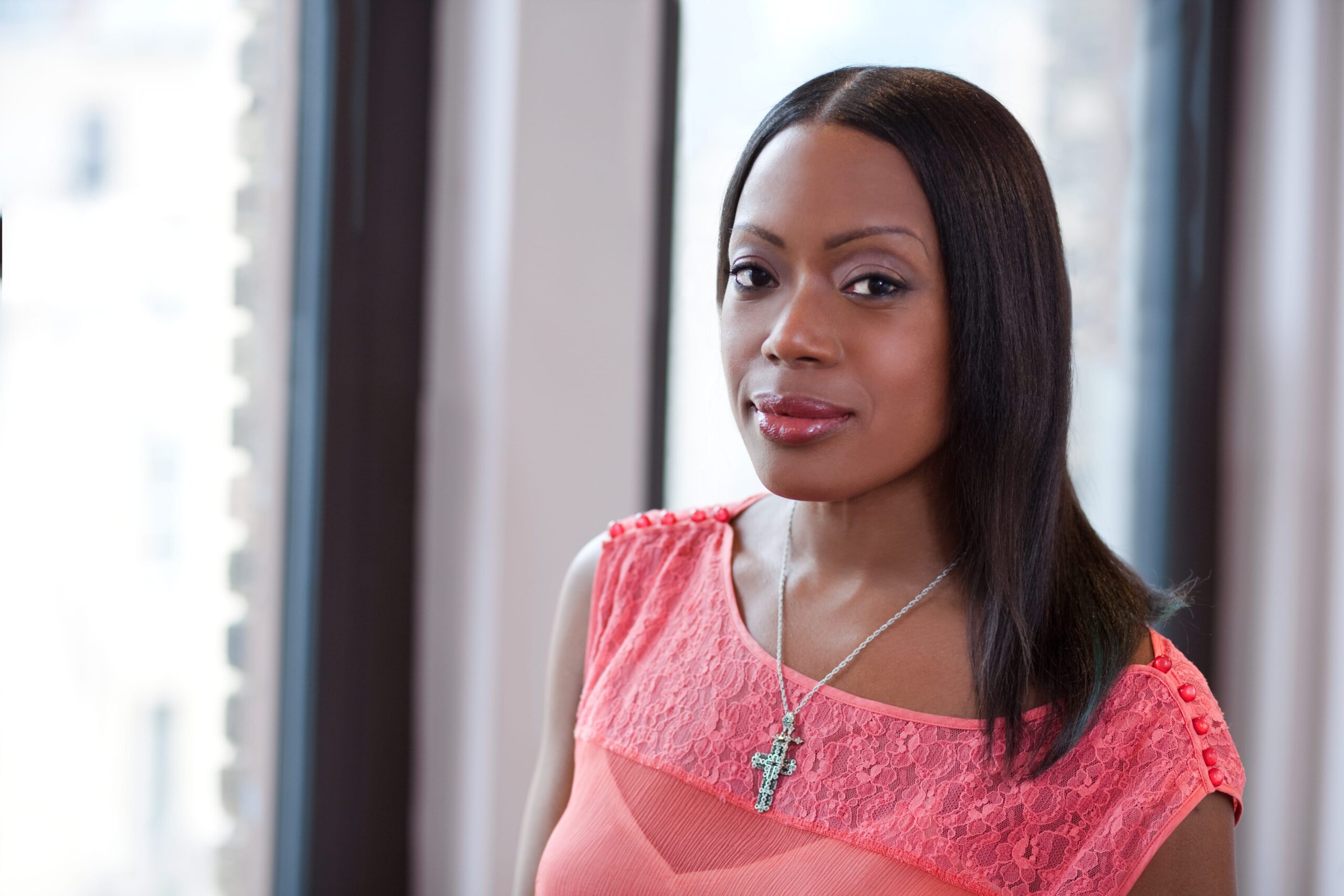

“Banking While Black” | How Racial Bias in the Financial System Continues to Hurt Black Entrepreneurs

Share
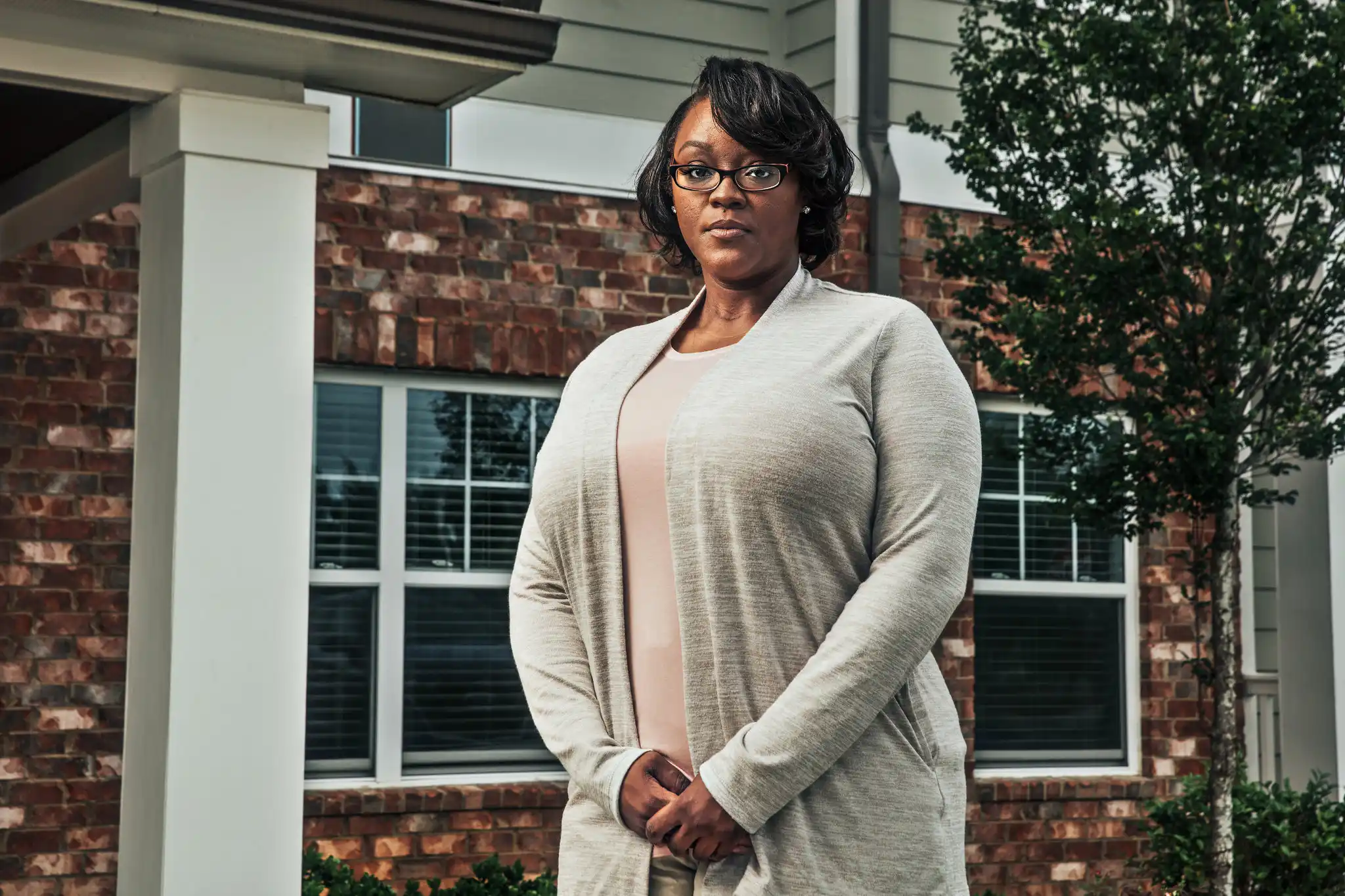
Financial discrimination is not a thing of the past — and one Black entrepreneur’s devastating experience is once again proving how deeply racial bias still shapes the banking industry. Her story underscores an uncomfortable truth: Black business owners still face systemic barriers that can destroy their livelihoods, even when they follow every rule.
When a Business Owner’s Bank Became Her Biggest Threat
A Black woman running a successful used-car dealership thought she was on the path to expansion. Her business was gaining momentum, her customer base was growing, and she reinvested most of her earnings back into operations. But everything changed when her bank suddenly flagged her transactions as “suspicious.”
Without warning:
- The bank froze her business account,
- She was denied access to her own money,
- Payments to vendors bounced,
- Her reputation took a major hit, and
- Her business collapsed within weeks.
She was never charged with anything. She was never shown evidence of wrongdoing.
But she paid the highest price — the destruction of her business — simply because her banking activity “did not look like what they expected.”
This is what many now call “Banking While Black.”
What Exactly Is “Banking While Black”?
“Banking While Black” describes the experience many Black consumers and entrepreneurs face when banks treat them with greater suspicion than their white counterparts. Common symptoms include:
- Unnecessary account freezes
- Heightened scrutiny on legitimate transactions
- Loan denials despite strong credit
- Excessive documentation requirements
- Delays or holds on deposits that hurt cash flow
- Assumptions of fraud or criminal activity
For Black entrepreneurs — especially those in cash-heavy industries like car sales, barbershops, real estate, or retail — these barriers can be devastating.
Why Her Account Was Flagged: The Uncomfortable Reality
According to her, the bank said her deposits were “higher than expected,” even though her business was registered, verified, and fully compliant with financial regulations.
Yet the system still treated her as suspicious.
Real-life banking studies reveal the same pattern:
- Black borrowers are twice as likely to be denied business loans compared to white borrowers with similar profiles.
- Black-owned businesses face more audits, more transaction holds, and higher fraud suspicion.
- Cash-based or fast-scaling Black-owned businesses often trigger algorithmic “red flags,” even when everything is legitimate.
In her case, the bank’s actions choked her cash flow, making it impossible to pay her suppliers. Customers lost trust, vendors refused future shipments, and within weeks, her successful venture collapsed.
The Emotional and Financial Impact
The entrepreneur described the experience as “humiliating,” “unfair,” and “financially devastating.” Years of hard work disappeared because of a decision rooted in bias — whether algorithmic, human, or both.
She lost:
- Her business
- Her income
- Her credibility
- Her financial stability
What stung the most? She was never given a clear explanation. The bank simply said the account was flagged and “could not be unfrozen at the moment.”
This lack of transparency is a common complaint among Black customers facing similar issues.
Why This Keeps Happening: Systemic and Structural Barriers
Banking discrimination is often subtle — hidden behind “standard procedures” or “automatic flags.” But experts argue that:
1. Many banking algorithms reinforce racial bias.
Historical data — often biased — is used to train fraud-detection systems, causing legitimate Black-owned businesses to trigger false alerts.
2. Banks tend to scrutinize Black-owned businesses more heavily.
Research shows that Black entrepreneurs deal with extra documentation and oversight not required from others.
3. Industries dominated by Black entrepreneurs are often labeled “high risk.”
Car dealerships, retail, beauty services, cash-based trades — all common among Black entrepreneurs — face extra monitoring.
4. Lack of diversity in banking leadership plays a role.
When decision-makers don’t understand the realities of Black business owners, bias often goes unchecked.
A Wake-Up Call for Black Entrepreneurs
Her story is not isolated — it’s a reflection of a larger structural issue. Black entrepreneurs nationwide share similar experiences:
- Frozen accounts after receiving large payments
- Rejected deposits
- Loan denials despite solid credentials
- Businesses collapsing due to limited access to capital
This experience shows that financial discrimination remains a major obstacle to economic empowerment.
What Black Entrepreneurs Can Learn From This
While the responsibility lies with financial institutions — not the victims — there are steps Black business owners can take to protect themselves:
1. Diversify banking relationships
Use at least two business accounts (preferably at different banks) to avoid disruptions.
2. Maintain detailed documentation
Receipts, invoices, contracts, sales logs — banks respond faster when records are airtight.
3. Choose banks with a track record of supporting minority-owned businesses
Some institutions have better policies and dedicated programs.
4. Consider credit unions and digital banks
These often have more flexible systems and fewer bias-driven flags.
5. Public pressure works
When stories like this go viral, banks tend to respond quicker and more fairly.
Banking Reform Is Overdue
Her experience highlights the urgent need for:
- Bias-free banking algorithms
- Greater transparency on account freezes
- Clearer communication between banks and small businesses
- Stronger protections for entrepreneurs of color
Until reforms happen, too many Black entrepreneurs will continue paying the high price of discrimination.
“Banking While Black” Should Not Cost Anyone Their Business
This entrepreneur’s story is a heartbreaking example of how financial institutions can, intentionally or not, destroy Black-owned businesses through biased practices.
Her business didn’t fail because of poor management or bad decisions — it failed because the system treated her as suspicious for no reason other than fitting a profile.
Her experience is a reminder that true financial equality requires more than access — it requires fairness, transparency, and the dismantling of systemic bias.