
Beyond MLK: Black Freedom Fighters Who Rarely Get Recognition

Share
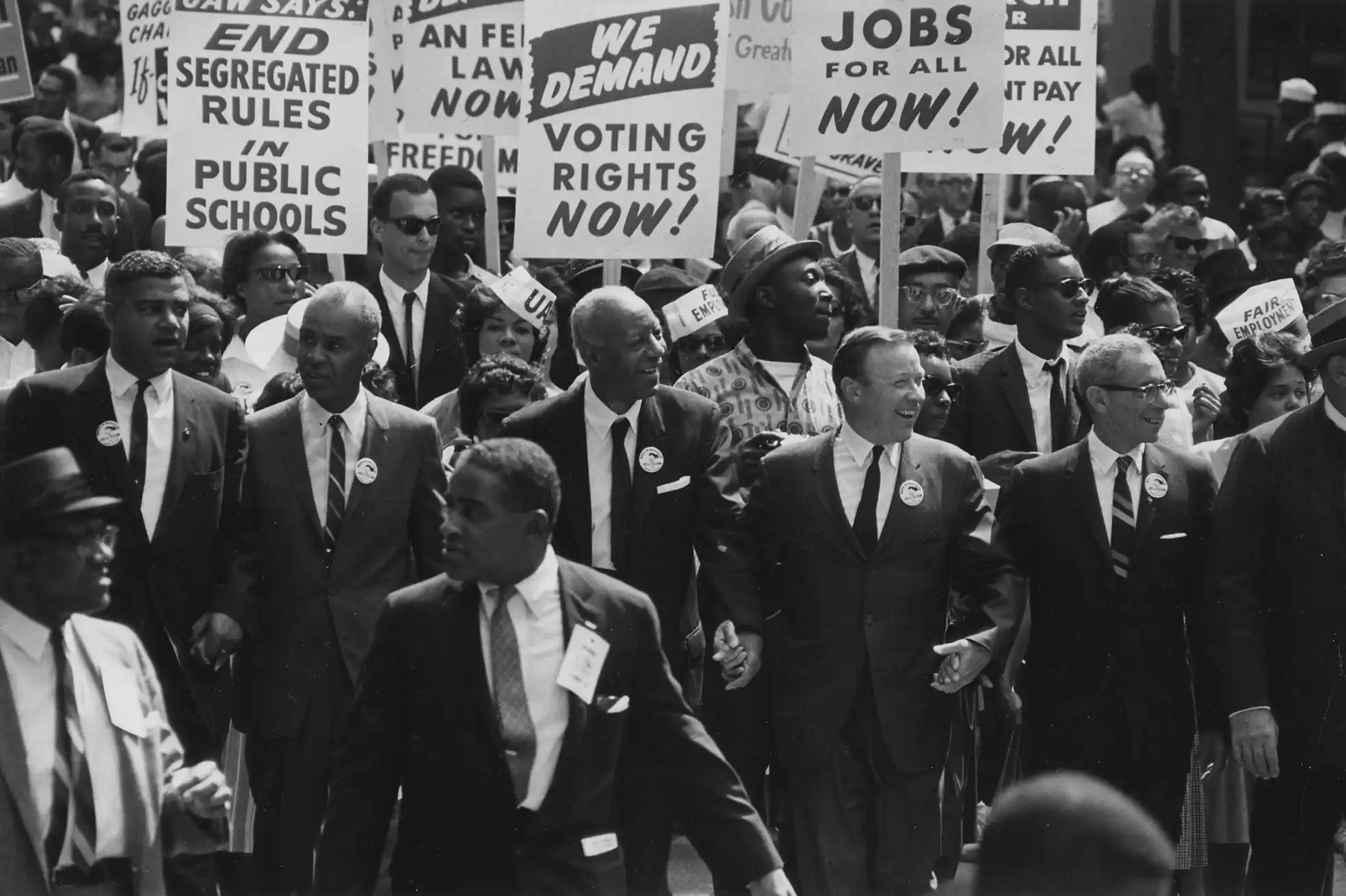
Black History is a reminder of the legends who pushed this country closer to justice. However, the same names always get the attention. Dr. Martin Luther King Jr. dominates the spotlight, but the movement for equality was driven by countless black freedom fighters.
It was a group of organizers, rebels, thinkers, and everyday Black folks. Most of whom get barely a mention in history class. Here are some Black freedom fighters who changed America, even if their names don’t echo enough.
1. Ella Baker
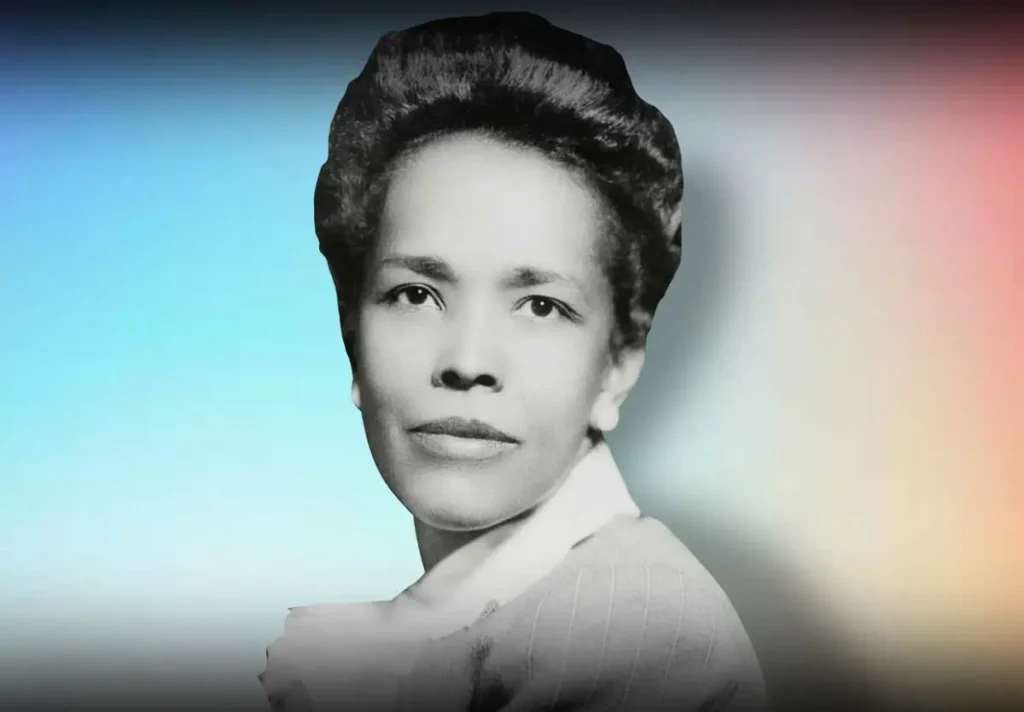
Ella Baker never cared about the spotlight or being a celebrity activist. She worked with the NAACP, Southern Christian Leadership Conference (SCLC), and was the co-founder of Student Nonviolent Coordinating Committee (SNCC). Baker put her energy into helping young people lead their own fights for freedom.
Her motto, “Strong people don’t need strong leaders” sparked grassroots movements that led to sit-ins, voter drives, and organizing across the South.
When activism feels like it’s all about who has the loudest voice online, Baker reminds us that lasting change starts in the community, not just at the mic.
2. Bayard Rustin
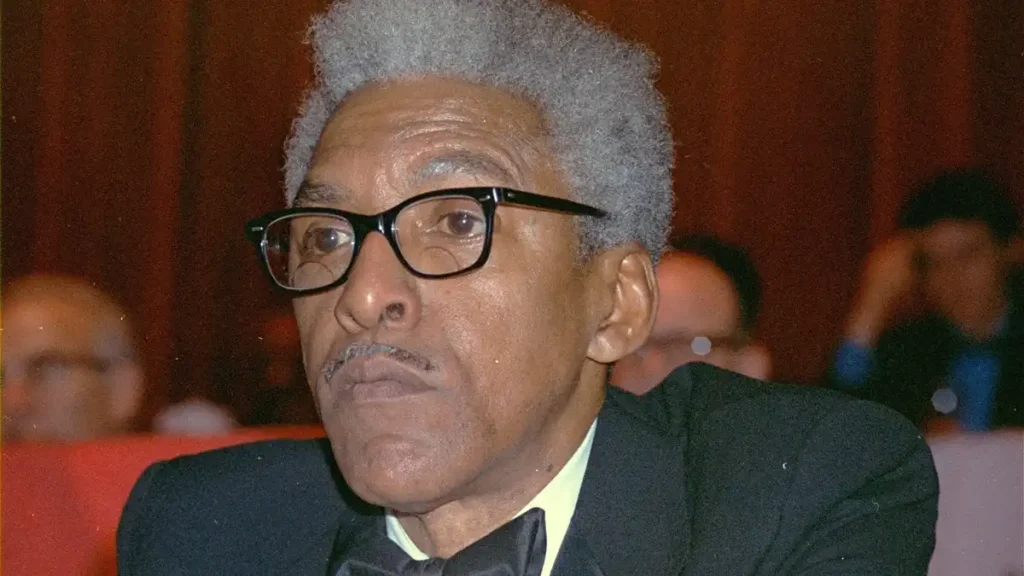
Bayard Rustin organized the 1963 March on Washington, the same event where Dr. King gave his “I Have a Dream” speech. Rustin was also a lifelong champion of nonviolence and shaped King’s entire approach.
But because Rustin was openly gay, some civil rights leaders pushed him out of view, scared of backlash.
Rustin’s life connects the fight for Black freedom with LGBTQ+ rights and shows what we lose when movements choose respectability over truth.
3. Claudette Colvin
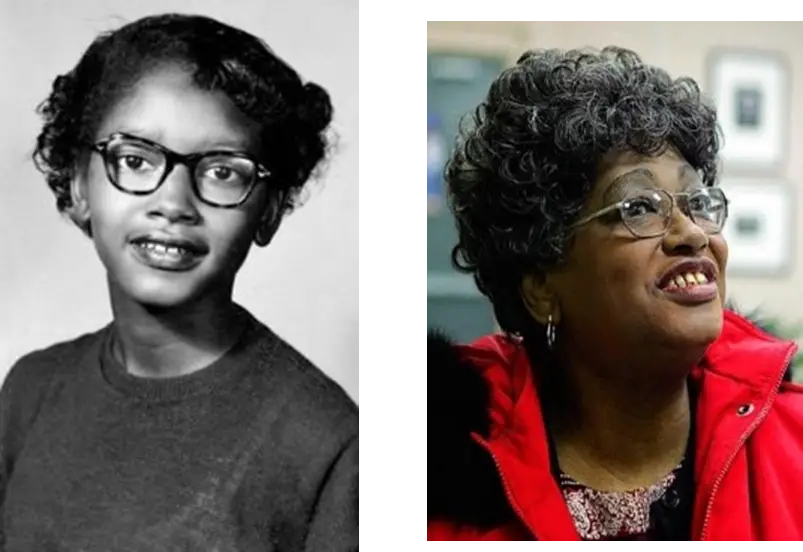
Before Rosa Parks became a household name, 15-year-old Claudette Colvin stood her ground on a Montgomery bus. She was arrested, thrown in jail, and left traumatized, but history barely mentions her.
This is because she was young, she spoke her mind, and later she got pregnant, so the movement looked elsewhere. Still, Colvin helped end bus segregation as a plaintiff in Browder v. Gayle.
Her story calls out how Black girls are often expected to be flawless to be believed or remembered.
4. Robert F. Williams
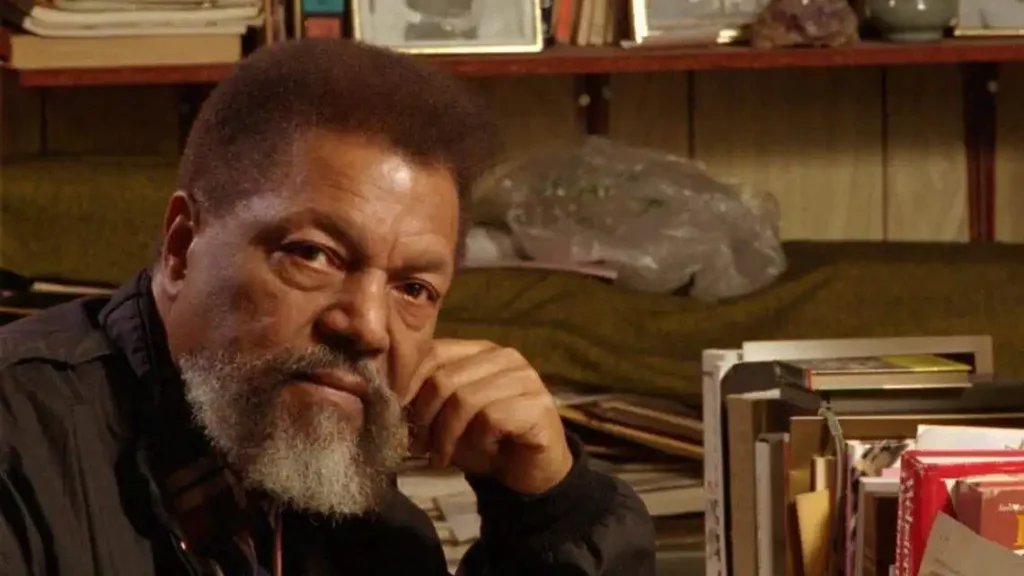
The civil rights movement gets painted as strictly nonviolent, but Robert F. Williams saw things differently. Leading the Monroe, North Carolina NAACP, he said Black communities could and should defend themselves when the law refused to help.
His ideas inspired the Black Panther Party and others who followed. Williams forces us to look beyond the neat version of history and talk honestly about survival, policing, and standing your ground.
5. Septima Clark
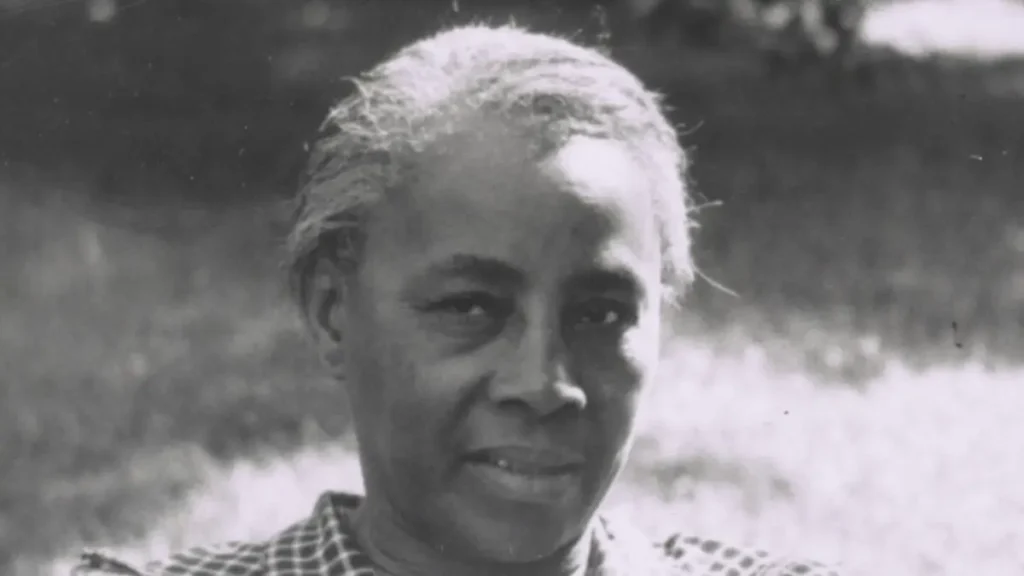
They called Septima Clark the “Mother of the Movement,” and for good reason. She started citizenship schools in the Jim Crow South, teaching Black adults to read, write, and pass those rigged voter tests.
Thanks to her, tens of thousands of Black people claimed political power long before the Voting Rights Act existed.
With new barriers to voting popping up, Clark proves that education is still a radical act.
6. Fannie Lou Hamer
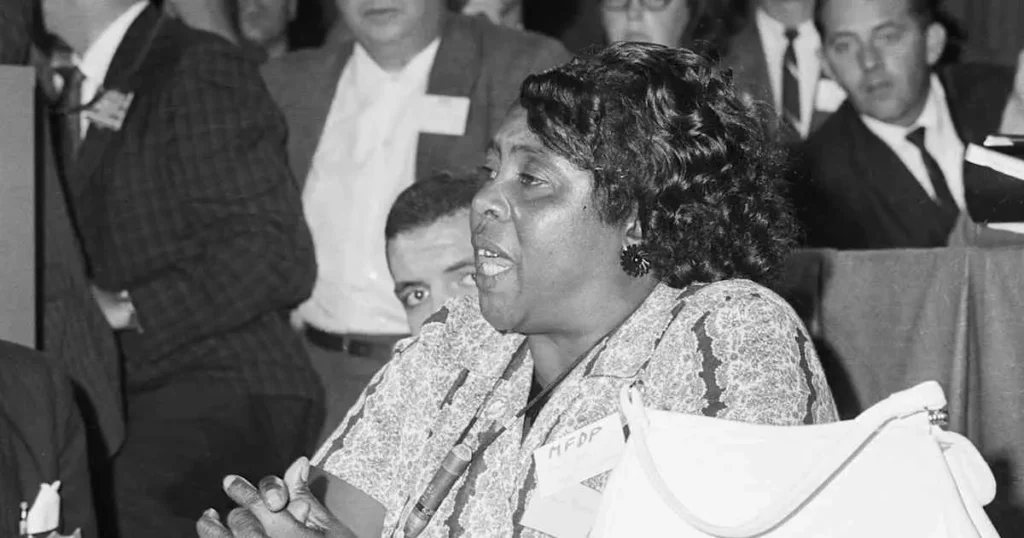
Fannie Lou Hamer grew up picking cotton in Mississippi, but she risked everything to register Black voters. She survived brutal beatings in jail, walked away with permanent injuries, but never stopped fighting.
Her speech at the 1964 Democratic National Convention blew open the truth about Black voter suppression for the entire country to see.
Hamer’s courage still fuels today’s fights for voting rights, against police violence, and for basic fairness.
7. Fred Hampton
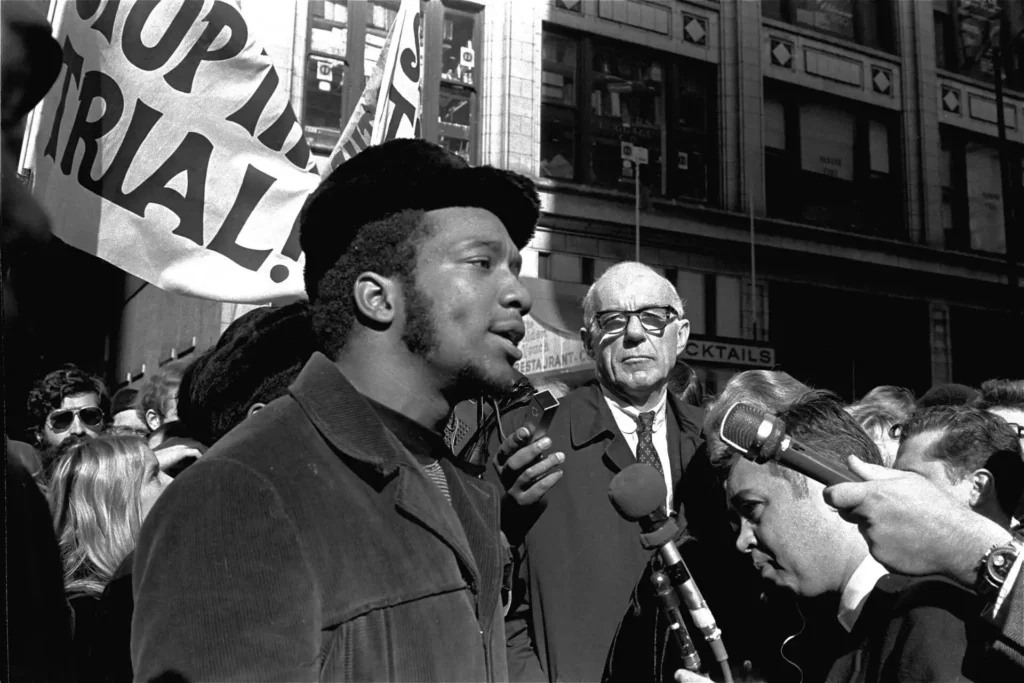
Fred Hampton was just 21 when he led Illinois’ Black Panther Party. He built bridges between Black, Latino, and poor white communities so well that the authorities saw him as a threat. In 1969, police killed him in a raid before sunrise.
Hampton’s push for mixed race unity challenges the idea that Black liberation only happens alone.
Why These Stories Matter This Black History Month
Black history is a complete archive, not a highlight of events. The intricacy, bravery, and diversity of the movement that transformed America are lost when we simplify the conflict to a few well-known figures.
This Black History isn’t about replacing Dr. King, it’s about appreciating other freedom fighters. The real story is bigger, louder, and miles more powerful than most of us ever learned.