

Blood Moon Eclipse Set for North America, Australia, New Zealand

Share
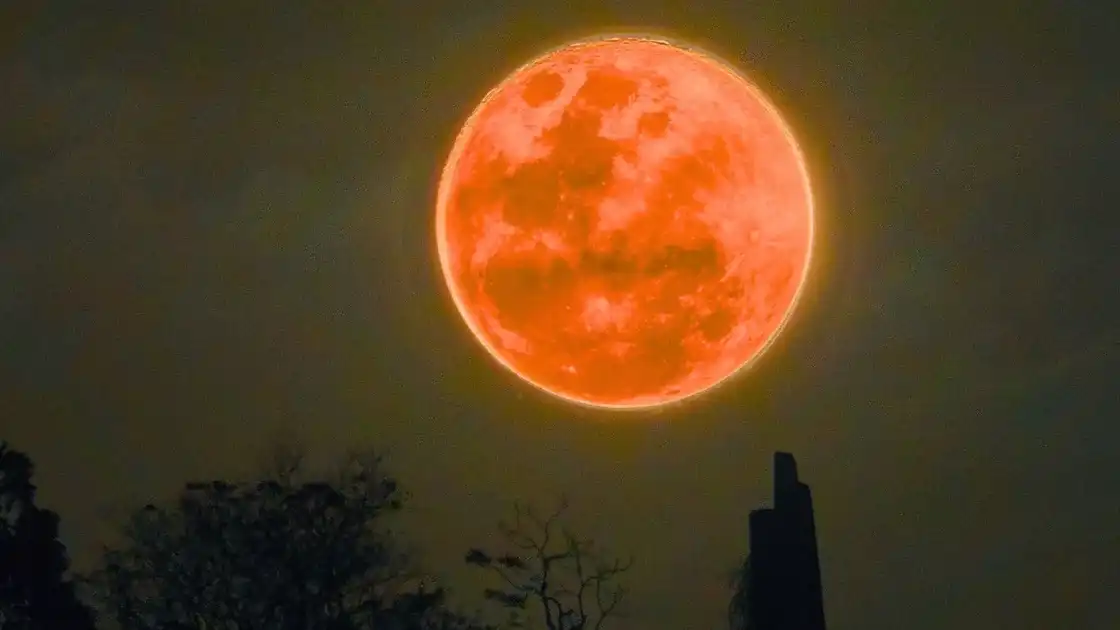
Skywatchers around the world are getting ready for an amazing celestial event. A “Blood Moon” total lunar eclipse will happen on Tuesday, March 3, 2026. This event will create stunning sights in the night skies over large parts of North America, Australia, and New Zealand.
During this extraordinary phenomenon, Earth’s shadow will completely cover the Moon. This will cast deep red and copper hues on the lunar surface, capturing the imagination of astronomers and stargazers.
In a total lunar eclipse, sunlight passes through Earth’s atmosphere. The atmosphere bends and filters the light, removing shorter blue wavelengths and scattering longer red wavelengths onto the Moon’s surface. This results in the famous “blood-red” glow that gives the event its dramatic name.
Timing and Visibility Across Continents
According to astronomy forecasts, the eclipse will start with the Moon entering Earth’s outer penumbral shadow before moving into the deeper umbra. The most impressive phase, called totality, will last about 58 minutes. In key viewing spots, totality is expected to occur at these local times:
- New Zealand (Auckland/Wellington): ~12:04 a.m. to 1:02 a.m. (Wednesday, March 4)
- Australia (Sydney & Melbourne): ~10:04 p.m. to 11:02 p.m. (Tuesday, March 3)
- Australia (Adelaide): ~9:34 p.m. to 10:32 p.m.
- Australia (Perth): ~7:04 p.m. to 8:02 p.m.
For observers in North America, the event will take place in the early morning hours before sunrise. The Moon’s red phase will be visible as the full eclipse reaches its peak.
NASA scientists note that lunar eclipses, unlike solar eclipses, can be seen from any place where the Moon is above the horizon during the eclipse. They are also safe to watch with the naked eye, though binoculars and small telescopes can improve the experience.
A Rare and Global Celestial Show
Astronomers say this Blood Moon will be the only total lunar eclipse visible from large parts of the globe in 2026. It will be the last until December 31, 2028. This gives enthusiasts a rare chance to see this cosmic spectacle.
According to reports, Astrophysicist Dr. Rebecca Allen from Swinburne University emphasizes the uniqueness of the event. She said, “it is a breathtaking reminder that we are living on a moving planet, in a dynamic solar system.”
The eclipse also offers educational and cultural opportunities. Planetariums and astronomy clubs worldwide are planning events to watch the phenomenon, which highlights public interest in space science.
How to Watch from Anywhere
For those outside the direct visibility zones, major scientific organizations will livestream the total lunar eclipse. This will allow astronomy enthusiasts to tune in online. Platforms like TimeandDate and observatory livestreams will broadcast key moments, making the event accessible to audiences around the world.
Astronomy experts recommend finding a location with a clear view of the Moon and minimal light pollution for the best experience. Since lunar eclipses are safe to watch without protective eyewear, families and amateur astronomers everywhere are encouraged to join in this global skywatching moment.