
Celebrating Du Bois: The Mind That Shaped a Movement

Share
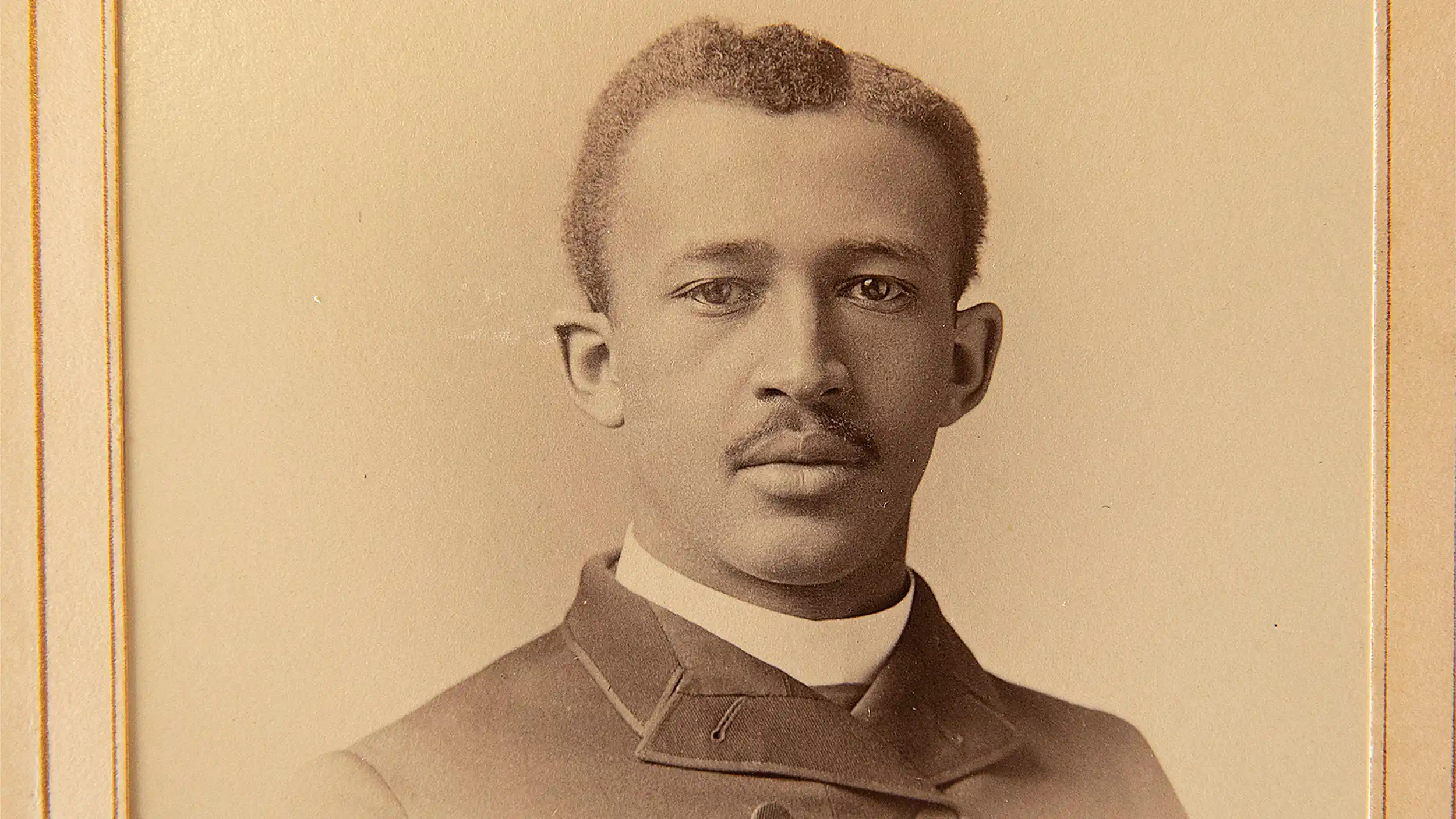
For over a century, W. E. B. Du Bois has made a significant impact across continents, in academia, and within social movements. His influence can be traced from the lecture halls of Atlanta University to the United Nations.
As scholars and cultural institutions celebrate his remarkable contributions, it is clear that Du Bois was a catalyst for change. His ideas laid the groundwork for civil rights, Pan-Africanism, sociology, and racial justice in modern society.
William Edward Burghardt Du Bois was born in February 1868 in Great Barrington, Massachusetts. His experiences were shaped by the hopes and challenges of America’s Reconstruction era.
He rose from a free Black community in the post-Civil War North and became the first African American to earn a Ph.D. from Harvard University. This achievement marked the beginning of a life committed to education and social justice.
Du Bois recognized that thorough investigation was essential for understanding racial oppression. Long before racial equity became a widespread expectation, he practiced what we might now call evidence-based activism.
In 1899, while teaching at Atlanta University, he led groundbreaking sociological studies. This is The Philadelphia Negro, the first scientific case study of a Black community in the United States.
One of his most lasting reflections on the Black American experience is found in The Souls of Black Folk (1903). In the book, he introduced the idea of “double consciousness.” He described it this way:
“One ever feels his twoness; an American, a Negro; two souls, two thoughts, two unreconciled strivings…”
This concept has become a key lens through which many scholars examine identity, marginalization, and belonging.
In 1900, Du Bois took his analytical approach from the classroom to a global audience. At the Exposition Universelle in Paris, he organized The Exhibit of American Negroes, a sociological and photographic showcase that confronted racist stereotypes directly.
Rather than using caricatures or manipulated statistics to fit dominant narratives, Du Bois and his collaborators, including Daniel Murray of the Library of Congress and educator Thomas J. Calloway, provided clear documentation of African American life. The exhibit featured hundreds of photographs, statistical graphics, and detailed research.
This was not mere art, it was a strategic counter-narrative, an early example of data-driven social advocacy.
Du Bois’s impact reached well beyond academia. In 1905, he responded to what he saw as the accommodationist strategies of other Black leaders by helping to form the Niagara Movement. This movement aimed for full civil rights and political representation.
The group laid the groundwork for the National Association for the Advancement of Colored People (NAACP), which Du Bois co-founded in 1909.
Du Bois’s intellect was not limited to the United States. At the First Pan-African Conference in London in 1900, he called for people of African descent to unite against colonialism and racial oppression. He led multiple Pan-African Congresses in Europe and Africa. He promoted a vision of global unity based on shared history and collective freedom.
In the later years of his life, Du Bois moved to Ghana, where he was working on the Encyclopedia Africana. This is a comprehensive project about African history and the diaspora. He passed away in 1963, just before the historic March on Washington.
Institutions continue to pay tribute to Du Bois’s impactful legacy. The W. E. B. Du Bois Memorial Centre for Pan-African Culture in Accra, Ghana, is a site of pilgrimage for scholars and activists. Events like the annual Du Bois Legacy Festival highlight that his ideas still play a crucial role in ongoing fights for equality and dignity.
As we celebrate new milestones in his remembrance, Du Bois’s life serves as a reminder of how far movements have come and the intellectual rigor and moral clarity still needed to advance them.