
How Harriet Tubman’s Legacy Inspires Modern Activists

Share
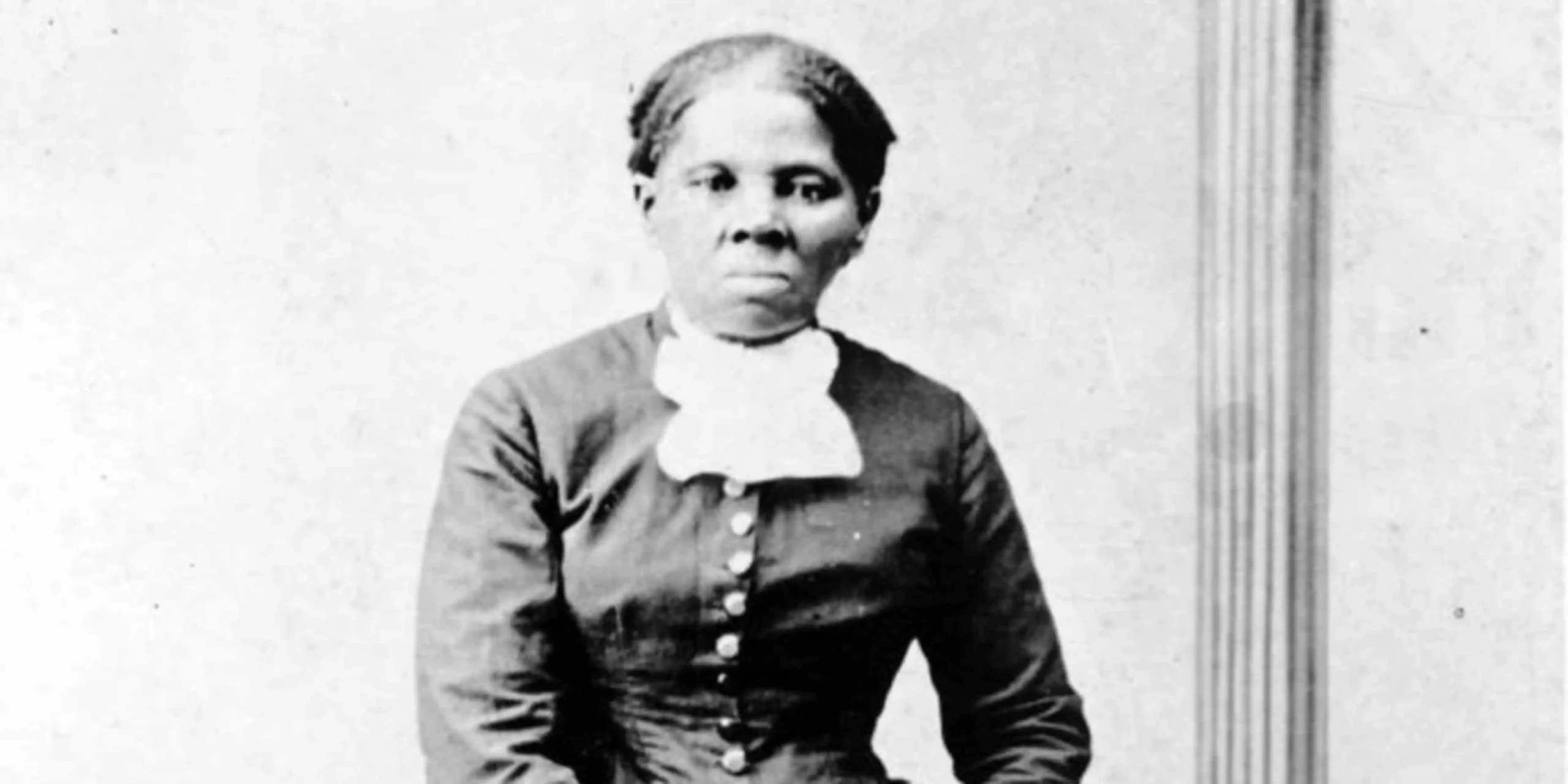
Harriet Tubman’s life and legacy span over a century of American history. She serves as a guiding light for today’s activists. She represents a strong moral purpose in the face of widespread injustice.
Long after she helped enslaved men, women, and children find freedom, Tubman’s influence still echoes in movements for community empowerment worldwide.
Born into slavery in Maryland around 1822, Tubman escaped in 1849. She returned repeatedly to lead others to freedom, often risking her life. During the Civil War, she served as a Union spy, nurse, and scout.
In her later years, she campaigned tirelessly for women’s rights. Her life exemplified continuous resistance against various forms of oppression.
A Legacy of Freedom and Collective Action
Historians note that Tubman was not only an abolitionist, but also a strategist and humanitarian. Her work went beyond any single struggle. Today’s civil rights activists find direct inspiration in her example of collective action, where freedom is seen as a shared goal, not just an individual one.
Tubman’s own words reveal her strong moral compass and explain why her story endures.
One of her well-known reflections was, “I was the conductor of the Underground Railroad for eight years, and I can say what most conductors can’t say – I never ran my train off the track, and I never lost a passenger.” These words serve as a guiding principle for activists engaged in the challenging work of liberation.
For many in movements like Black Lives Matter, Tubman’s fearless leadership against systemic oppression offers both a symbolic and practical model. Her life illustrates that change rarely results from a single act but from ongoing, strategic efforts that strengthen communities.
Translating Courage Into Contemporary Struggle
Modern grassroots organizations intentionally draw on Tubman’s legacy to shape their missions. In Washington, D.C., a Black-led abolitionist group called Harriet’s Wildest Dreams embodies Tubman’s ethos.
They focus on community defense, direct action, legal empowerment, and civic education to dismantle oppressive systems. The founders describe their work as an extension of Tubman’s “dreams and visions,” applying them to current battles against police actions, economic inequality, and racial injustice.
Nee Nee Taylor, Wildest Dreams co-founder, explained that the group aims “to build a world where we could keep all Black people safe and liberate them at the same time.” This reflects how Tubman’s narrative of mutual freedom resonates with activists addressing mass incarceration and state violence today.
Tubman’s legacy also thrives through cultural memorials and public memory. Statues and monuments, such as the first memorial to Tubman in Boston and Newark’s Shadow of a Face, unveiled in a park named after her, connect her life to modern civic activism.
At Newark’s dedication, Tubman’s great-great-great-grandniece stated that the monument would “inspire future generations to take action when they see injustice and instill the value of service to the most vulnerable in our society.”
A Bridge Across Movements
Tubman’s life highlights the connections between racial justice and other movements, such as women’s rights and economic equity. After the Civil War, she collaborated with suffrage leaders like Susan B. Anthony and Elizabeth Cady Stanton, arguing that equality should include both race and gender.
This intersectional legacy supports contemporary calls for inclusive activism that avoids a narrow focus and embraces a broader definition of justice.
This legacy is more than historical or symbolic. For activists facing ongoing inequalities, Tubman’s example provides a framework for ethical leadership grounded in sacrifice, coalition-building, and a relentless pursuit of justice.
A community organizer once reflected, echoing Tubman’s philosophy, “You can’t know where you are going unless you know where you have been.”
As movements worldwide confront deep-rooted systems of oppression, Harriet Tubman’s life remains a reference point. She not only accomplished much, but she also set high standards.