
Michael Eric Dyson’s Influence on Modern Black Intellectual Thought

Share
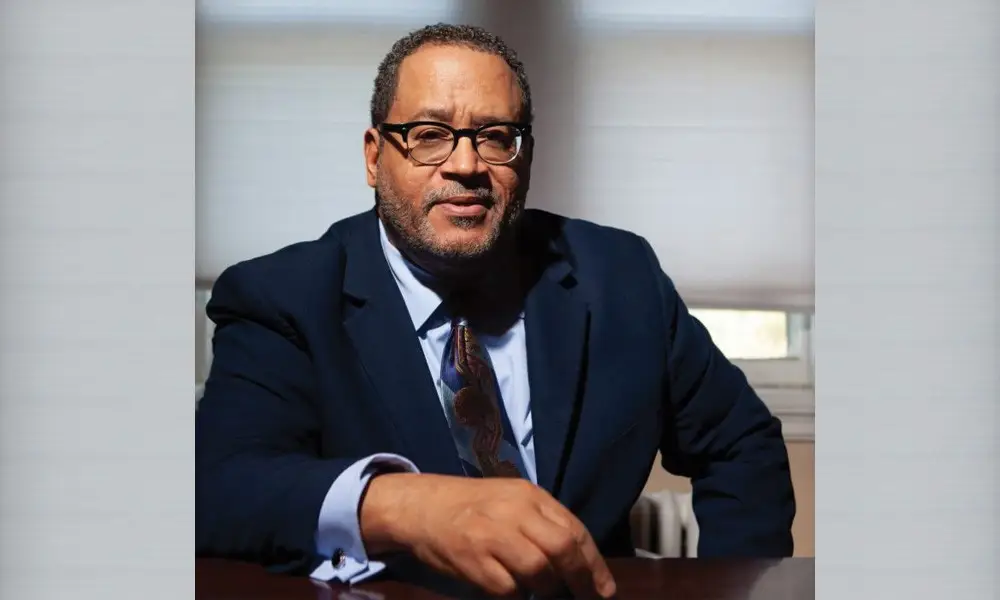
Michael Eric Dyson’s influence has shaped modern Black intellectual thought by connecting academic scholarship with public discussion, broadening cultural criticism to include hip-hop and popular culture, and contributing to national conversations on race, religion, and social justice through engaging intellectual work.
Overview: A Public Intellectual Shaping Modern Discourse
Michael Eric Dyson is one of the most significant public intellectuals in today’s Black thought. His work combines theology, sociology, cultural criticism, and political analysis, placing him where academia meets mainstream media.
Currently a professor at Vanderbilt University, Dyson has written many books and essays that explore Black identity, systemic inequality, and cultural expression in America. His influence goes beyond academia into journalism, public speaking, and media commentary.
1. Bridging Academia and Public Engagement
Dyson’s most notable contribution is his ability to make complex ideas understandable for wider audiences. Unlike traditional scholars who mainly publish for academic peers, Dyson communicates through various platforms including books, lectures, radio, and television.
This approach has helped:
- Make Black intellectual thought more accessible
- Bring academic discussions to public awareness
- Enhance conversations about race and culture in everyday life
His work reflects the tradition of public intellectuals who engage with society rather than stay within institutional walls.
2. Redefining Cultural Criticism Through Hip-Hop
Dyson has significantly contributed to recognizing hip-hop as a serious area of study. In works like Born to Use Mics: Reading Nas’s Illmatic, he argues that rap music offers more than entertainment; it serves as a valuable source of philosophical, political, and social meaning.
His analysis of hip-hop culture:
- Views rap as a modern form of storytelling
- Discusses themes of race, identity, masculinity, and inequality
- Links urban experiences to broader theoretical ideas
This effort helped establish hip-hop studies as a respected academic field.
3. Expanding the Legacy of Black Radical Thought
Dyson’s intellectual contributions build on the legacy of figures like Martin Luther King Jr., continuing the application of moral reasoning to social justice.
In his writings and speeches, Dyson revisits the philosophies of civil rights leaders while applying their ideas to current issues like:
- Mass incarceration
- Police brutality
- Economic inequality
- Structural racism
By doing this, he connects historical movements to today’s struggles, reinforcing continuity in Black intellectual traditions.
4. Engaging Critical Debate Within Black Intellectual Circles
Dyson is known for his lively debates with fellow scholars, including Cornel West. These discussions have highlighted differences in methods, political views, and styles within Black thought leadership.
Such debates matter because they:
- Show the diversity of perspectives within Black intellectual traditions
- Promote critical thinking and refinement of ideas
- Strengthen public discourse through disagreement and dialogue
5. Addressing Race, Religion, and Social Justice
A major focus in Eric Dyson’s work is the connection between race and religion. As an ordained minister and theologian, he often weaves moral and ethical frameworks into his analysis of societal issues.
In his influential book Tears We Cannot Stop: A Sermon to White America, Dyson uses a sermonic tone to address racial injustice, encouraging reflection, accountability, and dialogue across racial lines.
His writing stresses:
- Moral responsibility in tackling systemic inequalities
- The role of empathy in racial reconciliation
- The need for honest discussions about privilege and power
6. Influence on Modern Black Intellectual Thought
Dyson’s impact is evident through several key contributions:
- Normalizing public scholarship: Making knowledge accessible beyond academia
- Cultural legitimization of hip-hop: Recognizing it as a serious subject of study
- Interdisciplinary thinking: Blending theology, sociology, and cultural studies
- Actively engaging in public debates: Enhancing national conversations on race
- Continuing Black intellectual traditions: Building on the work of earlier civil rights thinkers
Key Works and Contributions
Some of Dyson’s notable works include:
- Reflecting Black: African-American Cultural Criticism
- Tears We Cannot Stop: A Sermon to White America
- Born to Use Mics: Reading Nas’s Illmatic (co-edited)
These works collectively showcase his commitment to understanding Black life from both scholarly and accessible viewpoints.
Frequently Asked Questions (FAQs)
Who is Michael Eric Dyson?
Michael Eric Dyson is a scholar, author, and public intellectual known for his work on race, culture, religion, and politics, as well as his role in popularizing Black cultural criticism.
Why is Michael Eric Dyson important in Black intellectual thought?
He is important because he links academic theory with public discussion, broadens the study of hip-hop as intellectual content, and adds to ongoing discussions about race and justice in America.
What topics does Dyson focus on?
Dyson focuses on race relations, Black culture, religion, hip-hop, social justice, and political commentary.
How has Dyson influenced hip-hop studies?
He helped establish hip-hop as a valid academic subject by examining its lyrics, cultural context, and social implications in scholarly work.
What is Dyson’s role in modern discourse?
He acts as a public intellectual who explains current social issues to both academic and general audiences, making complex ideas more understandable and relevant.
Conclusion
Michael Eric Dyson has played a key role in shaping modern Black intellectual thought by combining scholarship with public engagement, enhancing cultural criticism, and contributing to important discussions on race, identity, and justice. His work continues to influence scholars, students, and the public, highlighting the importance of clear and impactful intellectual leadership in the 21st century.