
NYC Property Tax Proposal Sparks Backlash From Black Homeowners

Share
A proposed property tax increase in New York City is sparking intense debate across the five boroughs. Many Black homeowners are concerned that this plan could jeopardize decades of progress in building generational wealth through homeownership.
The controversy focuses on a proposal from Mayor Zohran Mamdani’s administration. He suggested raising city property taxes by up to 9.5% if state lawmakers do not agree to higher taxes on corporations and ultra-wealthy residents. This measure aims to address a projected $5.4 billion budget gap while also funding social initiatives like expanded childcare and other public services.
Supporters believe this move could stabilize city finances and fund essential programs. However, critics, especially among Black middle-class homeowners, argue that the policy may unfairly burden families who have worked for years to achieve property ownership in once economically marginalized neighborhoods.
Homeownership and Generational Wealth at Stake
For many Black New Yorkers, homeownership means much more than a place to live. It is a foundation of generational wealth and community stability. In areas like Southeast Queens, where Black homeownership rates are high, residents warn that rising property taxes could undermine their hard-earned financial security.
According to reports, Lorraine Smith-Singleton, a retired homeowner from Jamaica, Queens, said the proposed tax increases could impact families like hers significantly.
“W\“We already pay more taxes now than we should. Everything is sky high,” she said. She expressed concern that new taxes could hinder older homeowners from maintaining their properties and passing them to their children.
Other homeowners argue that policies aimed at the wealthy often end up affecting the middle class. James Chavis, a Queens resident, warned that the proposal could add more strain on homeowners already struggling with high living costs.
“The real wealthy often find ways around new taxes,” he said, suggesting that middle-income families may end up shouldering the burden.
A Complex Property Tax System
New York City’s property tax system has been criticized as complicated and uneven. The system is mainly regulated by a 1981 state law that divides properties into classes and restricts assessment increases for certain residential homes. Critics claim the structure can create disparities in how taxes are calculated across different neighborhoods and types of housing.
Due to these structural issues, analysts warn that sweeping tax changes can have varied impacts across communities. Some observers note that working-class Black and Latino homeowners, especially those living in modest one- to three-family homes, could be pressured more than owners of high-value properties.
Political and Economic Debate
City leaders and policymakers are divided over the proposal. Some officials argue that raising property taxes should be a last resort if other revenue options fail.
Supporters of the broader fiscal strategy say the priority should be to secure increased taxes on high-income earners and large corporations. But if state leaders refuse, property taxes may become the fallback option.
Business groups and economic analysts have also raised concerns about the potential ripple effects of a tax increase. Some warn that higher property taxes could lead to rent increases or discourage investment in the city’s housing market.
Protests and Growing Community Mobilization
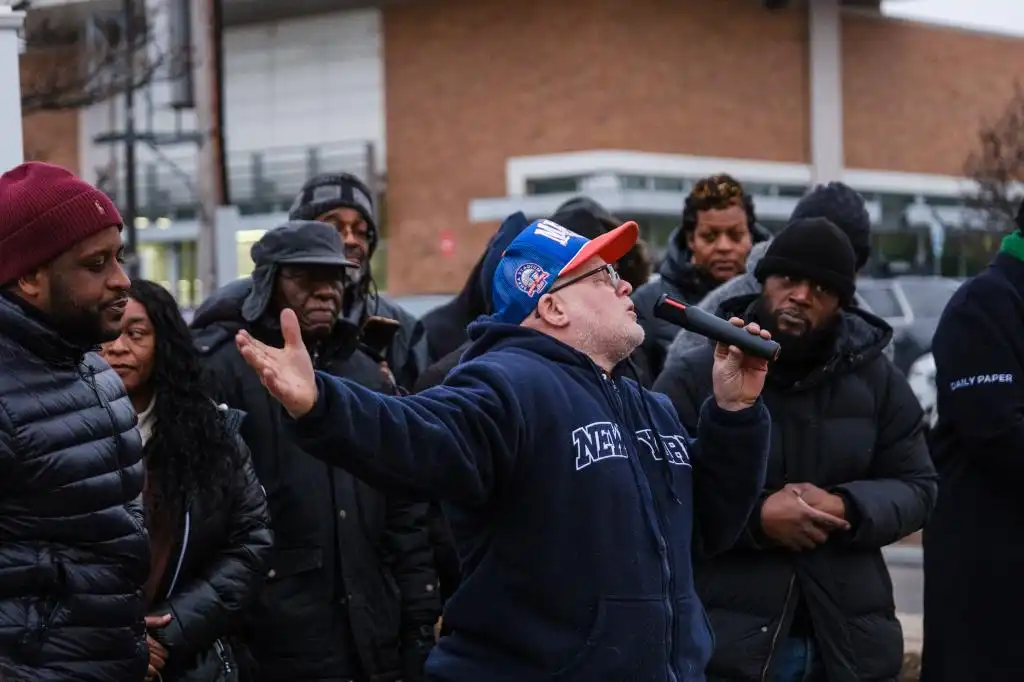
The proposal has already led to demonstrations among homeowners in parts of Queens and other boroughs. Residents have gathered at community meetings and local rallies, arguing that policies aimed at addressing inequality should not inadvertently harm families who are the backbone of the city’s middle class.
Community advocates say the debate reveals a deeper issue in urban policy: how to raise revenue for social services while protecting long-time homeowners from financial displacement.
For many Black homeowners, the stakes are personal. Property ownership has traditionally been one of the few reliable ways to build wealth in communities that have faced decades of housing discrimination and redlining.
A Defining Policy Debate
As the city moves closer to finalizing its budget and possible tax reforms, the discussion is expected to heat up. For Black homeowners throughout New York City, this debate is about more than municipal finance.
It involves protecting the achievements of a generation that fought hard for a place in one of the world’s most expensive housing markets. This generation ensured that homeownership remains attainable for those who come after.