
Washington, DC Hosts Exhibit Honoring Black Burlesque Legacy

Share
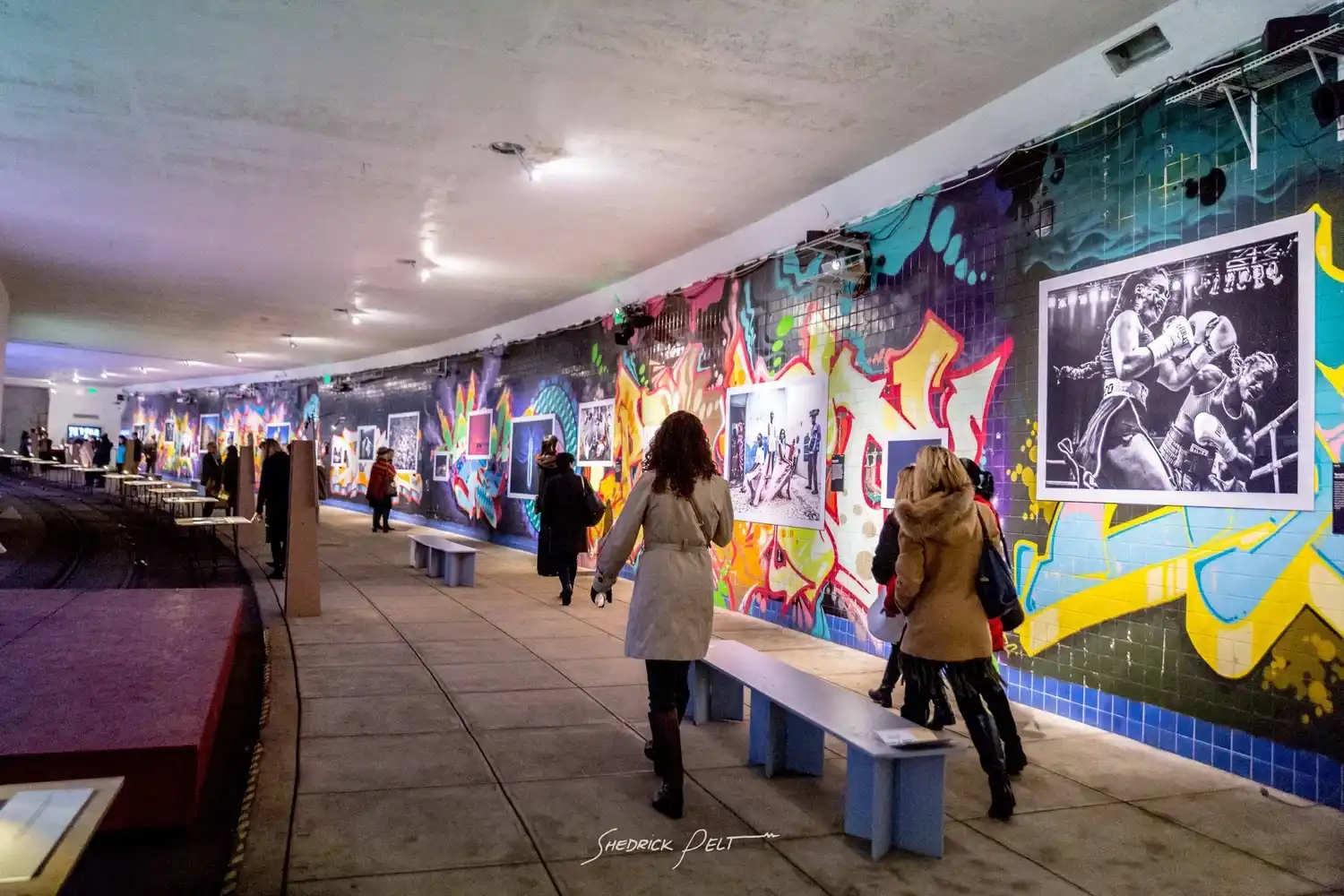
A landmark exhibition celebrating the artistry, history, and living legacy of Black burlesque performers has opened in the nation’s capital. It highlights a cultural tradition that has shaped American performance art while often staying on the edges of mainstream narratives.
Titled “Every(body) Wants to Be a Showgirl,” the showcase runs through March 1 at Dupont Underground. It is an art space beneath Dupont Circle. It features over 100 Black burlesque artists from around the world.
The exhibition aims to celebrate and correct the record by showcasing the significant contributions of Black performers to burlesque. This is a genre that combines dance, fashion, theater, and social commentary. It comes just before the 2025 closure of the Burlesque Hall of Fame in Las Vegas, which was the only museum dedicated to burlesque history.
Curator and performer Aquarius Moon, a professional burlesque artist in Washington, told WTOP News she created the exhibit partly because of this gap. “Especially after Taylor Swift and many commercial artists adopted the burlesque aesthetic, we thought this would be a great time,” Moon said. “There are people who have really made a mark in their community through activism, organization, and keeping the arts alive.”
Moon’s company, Metro Cabaret Club, is co-producing the exhibition with Dupont Underground, Brown Skin Showgirls, and the now-dissolved Burlesque Hall of Fame. It emphasizes a broad idea of performance. “When we say ‘showgirl,’ we mean it as a gender-neutral term,” she explained. “It really just includes anyone embodying the art of burlesque or striptease.”
A Living Legacy on Display
Visitors entering the tunnels find a curated library of photography, costumes, and historical context aimed at showing how Black artists have innovated and influenced this art form. Installation designer Camila Obscura mentioned that the exhibit’s entrance intentionally guides audiences into a story that “allows you to contextualize the exhibition” before observing performance art and attire across generations.
Among the pieces on display are intricate outfits worn by contemporary performers like Maki Roll, a DC-based artist. His dragon-inspired costume is seen on the New York Fashion Week runway and took hours to craft. “Every rhinestone is handset by me, and all of it was kind of a love letter to my mother and all the people who inspired me in burlesque,” Roll shared.
The exhibit also features archival materials from earlier Black burlesque stars, including Jean Idelle, who broke racial barriers in the 1950s by leading integrated chorus lines, and Toni Elling, known for her lasting impact on the art.
History, Identity, and Cultural Impact
“Every(body) Wants to Be a Showgirl” highlights how burlesque has served as a space for creative expression. This is especially for artists of color. The exhibit connects the performance tradition to larger cultural movements. It affirms the genre’s role in shaping fashion, music, and entertainment throughout the 20th and 21st centuries.
Moon views the exhibit as a chance not just to celebrate achievements but to reclaim stories told by the performers themselves. “Many actresses began their careers in burlesque, especially in American Hollywood and cinema,” she noted.
“As the internet grew and television became mainstream, we started to move away from appreciating the elegant art of striptease. But it has gone through new revolutions and never really disappears.”
More Than Nostalgia
The exhibition also showcases how burlesque continues to change. Performances mix diverse elements such as cosplay-inspired “nerdlesque” and storytelling with political themes. It reflects the genre’s flexibility and its connection with new generations.
For many in Washington’s arts community, this work deepens discussions about representation, culture, and history during Black History Month and beyond. By focusing on voices and legacies that have often been overlooked, the exhibit invites audiences to rethink what defines “mainstream” cultural heritage.
“Every(body) Wants to Be a Showgirl” presents a compelling, immersive look at Black burlesque. These include its past, present, and the many artists who continue to shape its future.