
6 Black Designers Who Changed Fashion Forever

Share
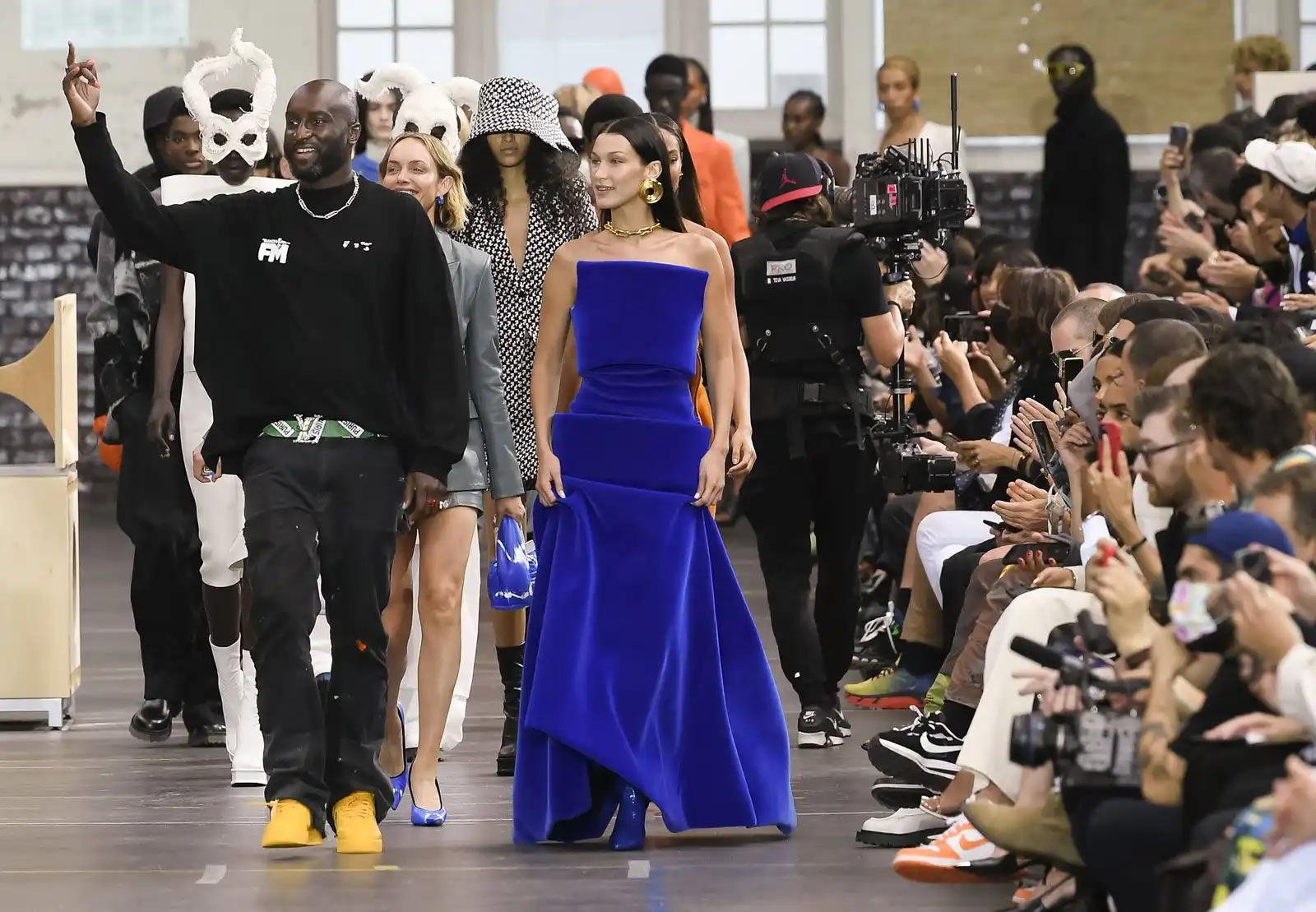
Fashion is more than clothing, it’s identity, culture, and storytelling. Black designers have long been at the forefront of this transformation, blending heritage, innovation, and bold vision to create looks that transcend trends.
From couture runways to streetwear revolutions, these six designers didn’t just participate in fashion, they changed it forever.
1. Ann Lowe (1898–1981)
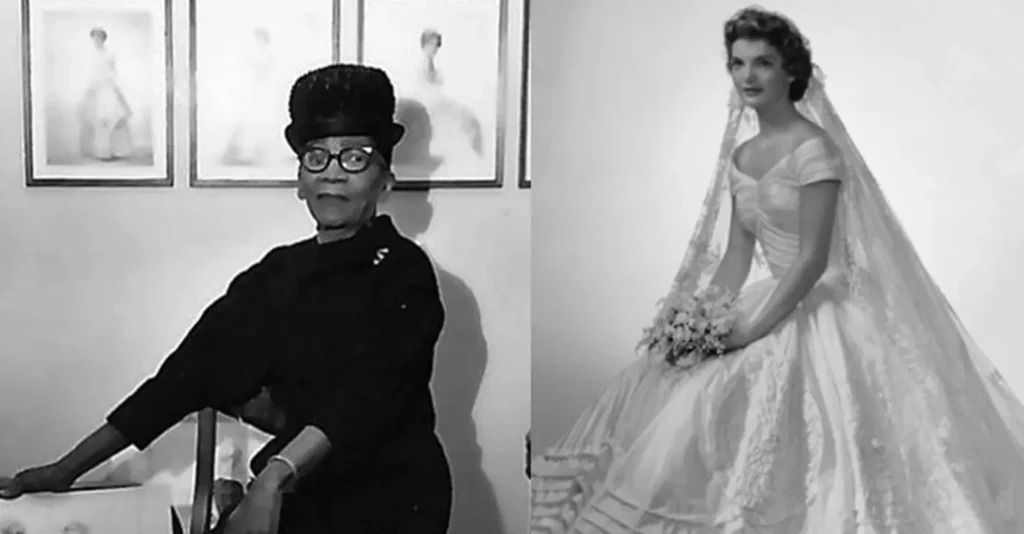
Ann Lowe was a pioneering American designer who broke barriers long before the fashion world took notice. In 1953, she became the first African American woman to open her own New York fashion salon and later designed Jacqueline Bouvier’s wedding dress for her marriage to John F. Kennedy.
This is a gown admired for its intricate craftsmanship and timeless elegance. Her work quietly influenced American couture at a time when Black women were largely excluded from mainstream fashion circles.
2. Stephen Burrows (b. 1943)
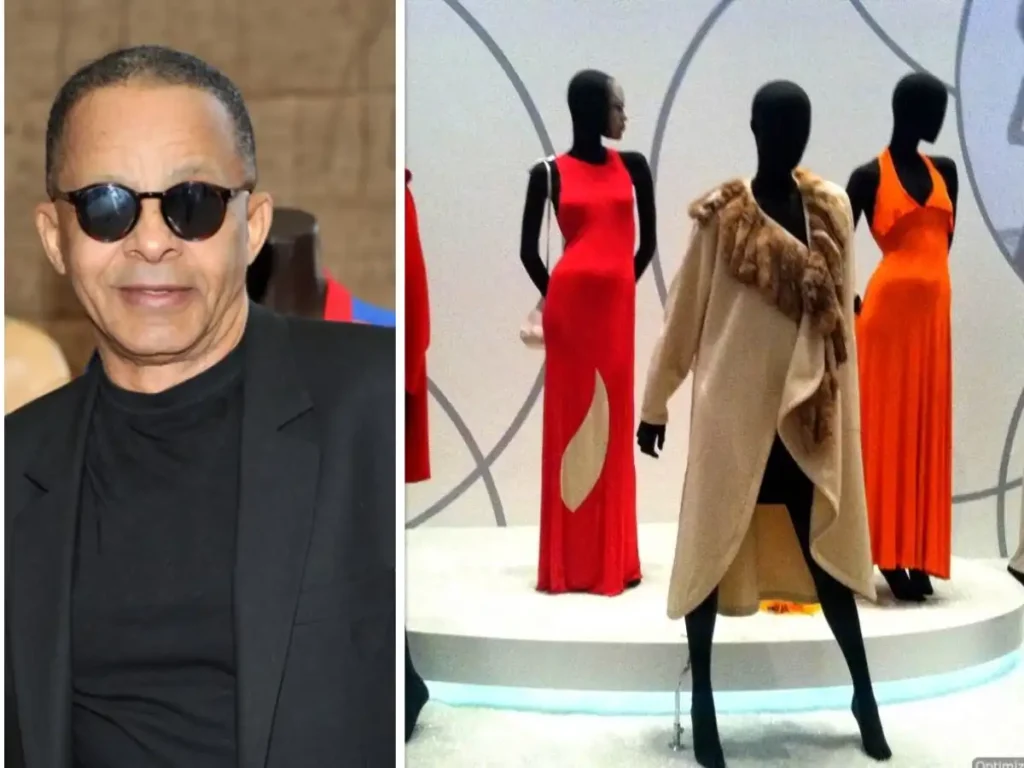
In the early 1970s, Stephen Burrows introduced a fresh American sensibility to fashion with his vibrant colors, intuitive cuts, and signature “lettuce‑edge” hems. At the 1973 Battle of Versailles fashion show, Burrows stood alongside French and American designers and helped establish American fashion on the world stage.
His fluid, wearable designs captured the disco era but also changed how fashion embraced movement and ease.
3. Patrick Kelly (1954–1990)
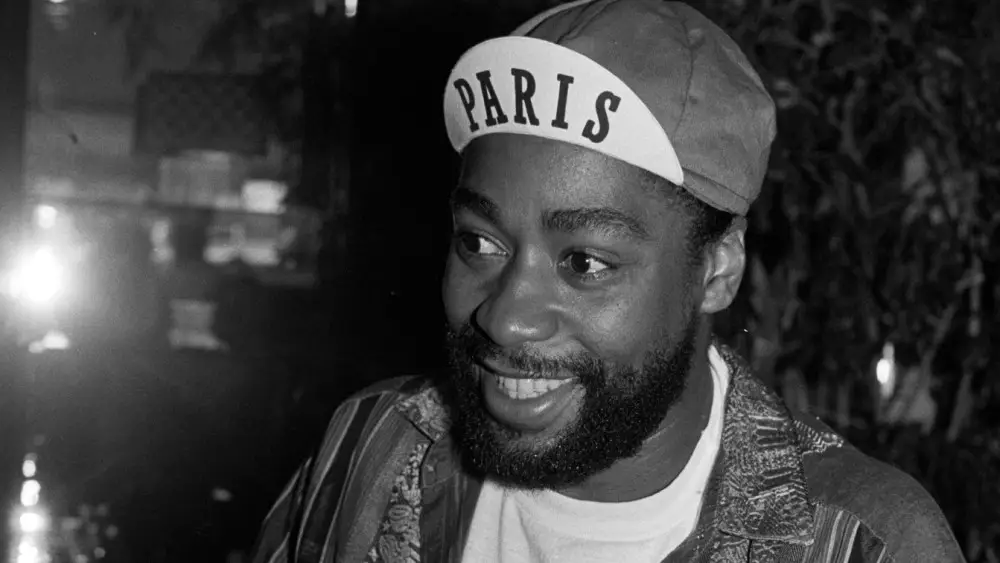
Patrick Kelly’s joyful, bold designs often feature oversized buttons and playful motifs. This has made him a standout voice in the 1980s fashion world. In 1988, Kelly became the first American designer ever invited to join the Chambre Syndicale du Prêt‑à‑Porter in Paris, the governing body of French ready‑to‑wear fashion.
His work celebrated Black culture with humor and flair, challenging fashion’s traditional boundaries and expanding its vocabulary.
4. Dapper Dan (Daniel Day) (b. 1944)
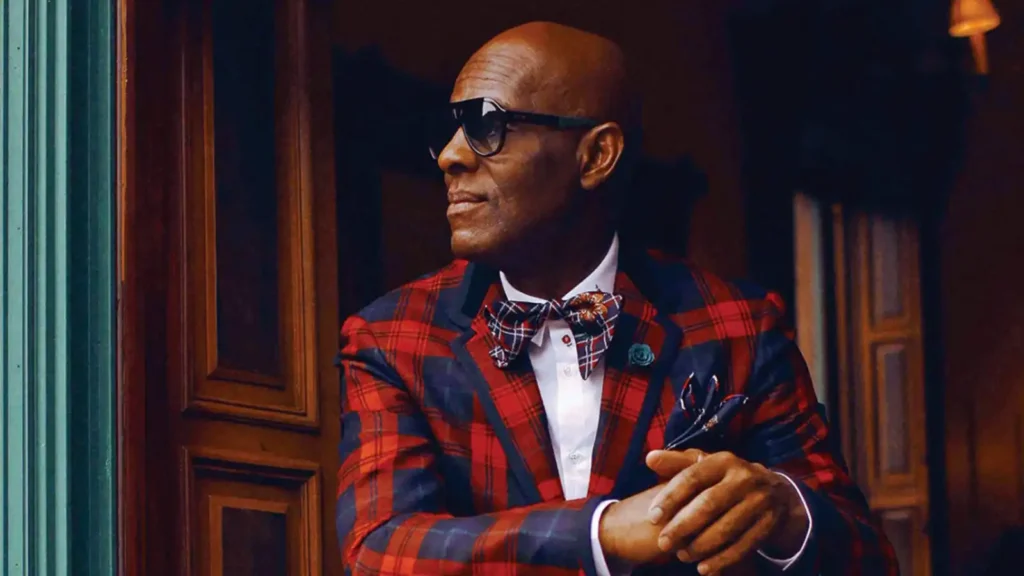
In 1982, Dapper Dan opened his boutique on 125th Street in Harlem, blending luxury brand aesthetics with streetwear long before the term “luxury streetwear” existed. His custom pieces are popular with LL Cool J, Salt‑N‑Pepa, and Jay‑Z. His designs reimagined high fashion logos into bold, urban style.
Despite legal battles in the ‘80s and ‘90s, his influence endured, and in 2018 he collaborated officially with Gucci, cementing his legacy as a designer who redefined fashion’s hierarchy.
5. Virgil Abloh (1980–2021)
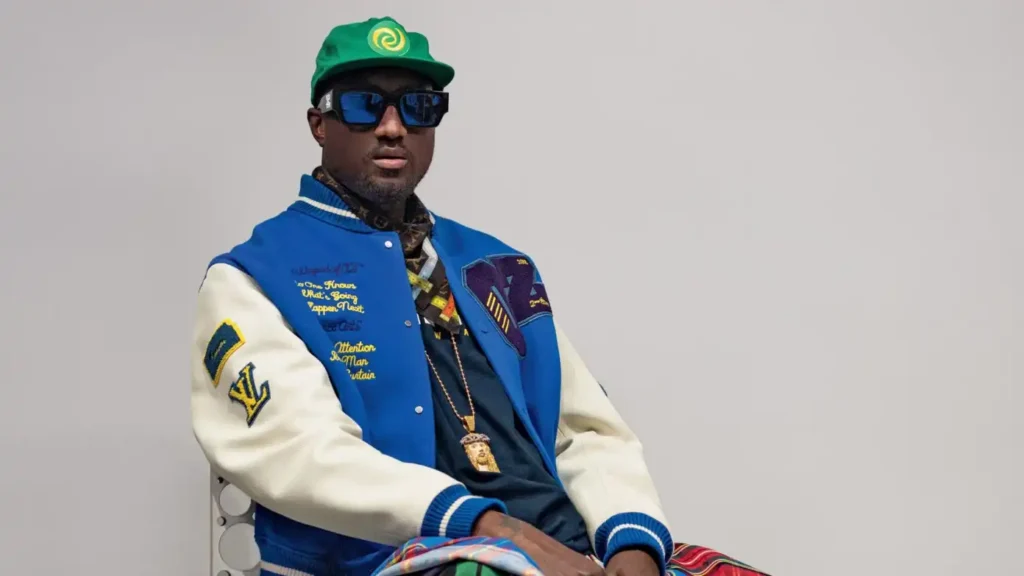
Virgil Abloh’s impact on fashion was seismic. After launching Off‑White in 2013, he became the first Black artistic director of menswear at Louis Vuitton in 2018, bridging streetwear and luxury in ways the industry had never seen.
His use of industrial motifs, quotation marks, and conceptual approach reshaped how fashion speaks to youth culture and creativity worldwide. Abloh’s influence continues to resonate years after his untimely death.
6. Telfar Clemens (b. 1985)
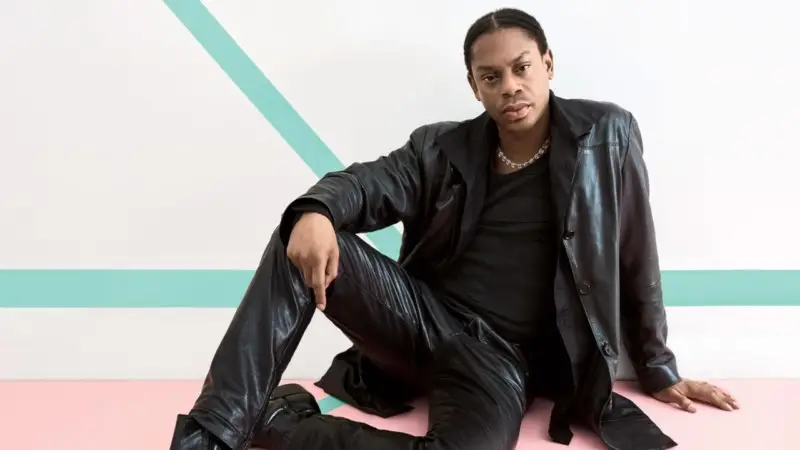
Since founding Telfar in 2003, Telfar Clemens has transformed fashion with a philosophy rooted in inclusivity: “It’s not for you, it’s for everyone.” His unisex Telfar Shopping Bag, often called the “Bushwick Birkin,” became a cultural phenomenon, embraced for both style and accessibility.
Clemens redefined what “desirable” means in fashion, making sustainability and community ethos central to modern design narratives.
Why Their Impact Matters
These six designers have done more than make beautiful clothes, they’ve shifted cultural paradigms. They’ve reimagined luxury, elevated streetwear, celebrated heritage, and amplified Black voices in spaces where they were long underrepresented.
Their influence continues to ripple across runways, red carpets, and the streets, proving that Black creativity doesn’t follow trends it sets them.