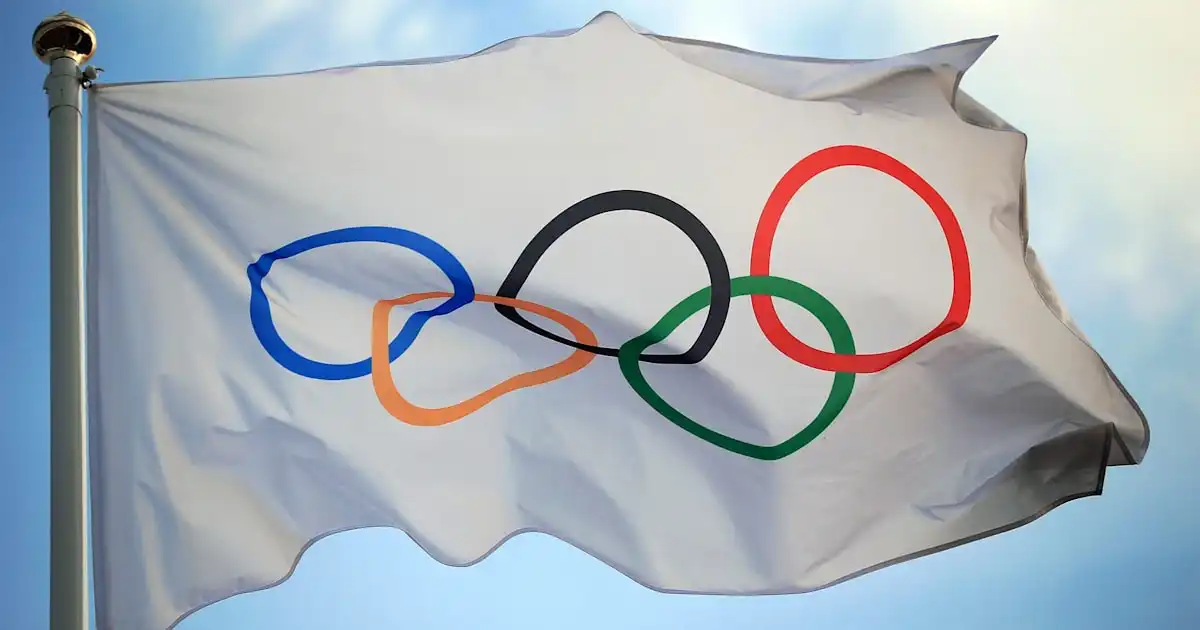
Across the world, winning an Olympic medal comes with more than just getting gold, silver, or bronze. It can also lead to significant financial rewards. While Olympic success is celebrated everywhere, the monetary incentives athletes receive from their home countries differ greatly.
These differences reflect varying national priorities. The cash incentives from national governments in some countries are considerable large. Some of such countries include:
1. Singapore – The World’s Biggest Cash Prize
At the top of the list is Singapore, which offers the largest official medal bonuses. According to verified payout lists for the Paris 2024 and Milan-Cortina 2026 Olympics, a Singaporean athlete who wins a gold medal can expect around $737,000 to $788,900 USD in government-backed rewards.
Silver and bronze medalists also receive hundreds of thousands of dollars. Singaporean Olympic rewards aim to recognize the years of sacrifice that Olympians endure.
2. Hong Kong – Second Only to Singapore
Close behind is Hong Kong, which competes independently in the Olympic movement. The government’s payout structure is one of the largest. It offers gold medalists roughly $768,000 USD. Silver and bronze medal winners receive about half and a quarter of that amount, respectively.
Hong Kong officials defend this policy. It claims it is a way to boost elite performance from a small pool of athletes. However, competitors sometimes receive additional non-cash benefits. These include lifetime public transit passes or travel incentives.
Some sources show Hong Kong’s gold payout slightly higher than Singapore’s due to exchange rates or extra discretionary bonuses. However, Singapore’s official guaranteed reward is generally the world’s highest.
3. Turkey, Thailand, and Indonesia – Asia’s Generous Tiers
Several Asian nations provide strong bonuses beyond the wealthier city-states:
- Turkey awards more than $530,000 USD for a gold medal.
- Thailand’s top Olympic medal winners earn over $365,000 USD.
- Indonesia gives around $346,000 USD for gold.
These amounts rank these countries among the highest in per-medal rewards. Such large incentives are part of broader national sports strategies aimed at improving global competitiveness.
4. Kazakhstan and Israel – Substantial Reward Systems
Countries like the Republic of Kazakhstan ($250,000 USD for gold) and Israel (about $271,000 USD) also offer significant rewards. In Israel, payments extend to silver and bronze medalists as well. Bonuses are also distributed tax-free.
These bonuses honor champions and help athletes continue their elite training without financial stress.
5. European Models – Italy, France, Hungary, and Others
In established Olympic powers, rewards are notable but more modest compared to Asia’s leaders:
- Italy – around $196,000 USD for a gold medal, with higher total payouts due to a strong medal count.
- France – approximately $87,000 USD for gold.
- Hungary and several Eastern European countries also provide six-figure bonuses.
These payouts contributed to France and Italy’s total medal reward expenses exceeding $8 million and $9 million, respectively, during Paris 2024.
Italian Olympic officials emphasized that multiple medals lead to multiple bonuses. An athlete with two golds and a silver could earn close to $300,000 USD or more.
6. The United States – A Different Approach
Historically, the United States offered smaller direct bonuses. This is about $37,500 for gold, $22,500 for silver, and $15,000 for bronze through its Operation Gold program.
However, a new private initiative is set to change this model. Financier Ross Stevens donated $100 million to the U.S. Olympic & Paralympic Committee, providing every U.S. Olympian with a $200,000 deferred financial award, regardless of medal outcome.
This funding is designed for long-term financial security for athletes and could make the U.S. system more competitive with other countries.
Why the Difference?
Experts point out that these variations reflect different national incentives:
- Smaller countries often use generous rewards to encourage interest in sports careers.
- Wealthier nations might focus state funding on training rather than direct post-event payments.
- Some countries provide additional benefits, such as pensions, military exemptions, or non-cash prizes like homes and vehicles.
As global competition increases, how countries structure Olympic rewards may shape athlete development and national sporting prestige for years to come.