
Elon Musk: Tesla to End Model S and X Production for Robots

Share
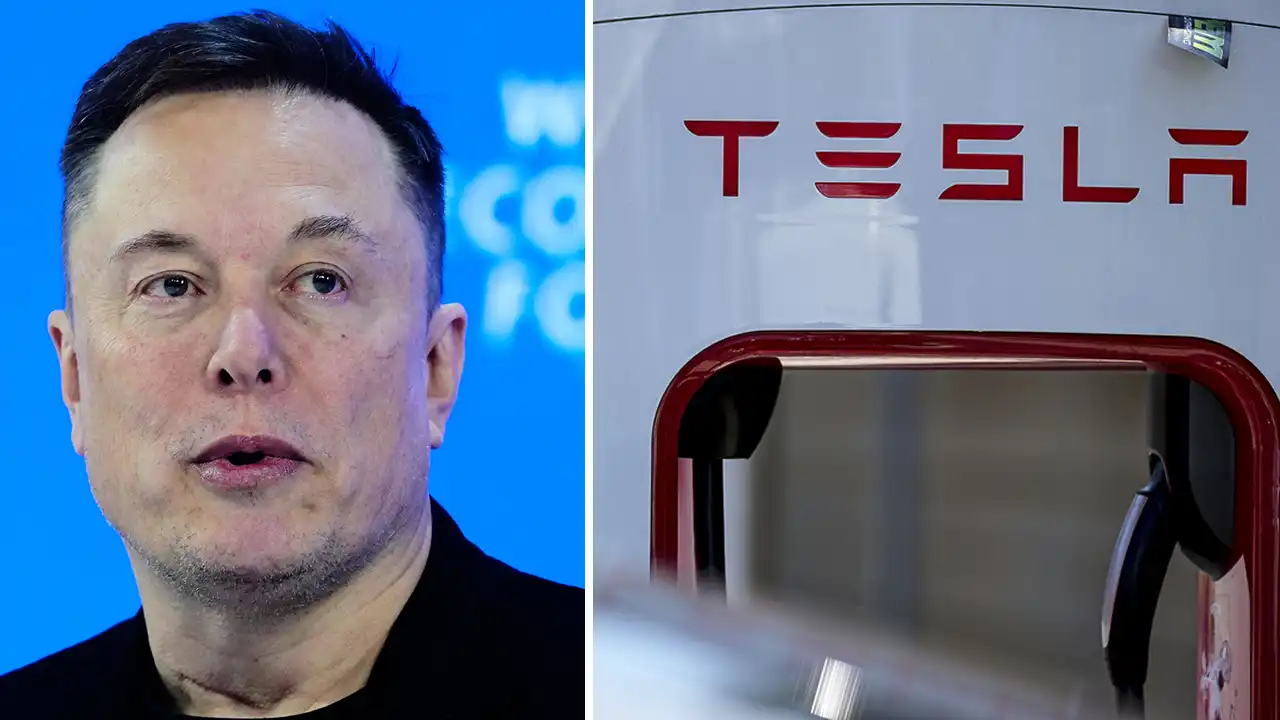
Elon Musk, chief executive of Tesla, has announced that the company will stop producing its luxury Model S sedan and Model X SUV by mid‑2026. This marks a significant shift from traditional electric cars to robot and autonomous technology.
Speaking on Tesla’s quarterly earnings call this week, Musk described the decision as an “honorable discharge” of the two long‑running models, which have served as the company’s flagship vehicles since the Model S launched in 2012 and the Model X in 2015.
“It’s time to bring the S/X programmes to an end,” Musk said, adding that production will wind down through the first and second quarters of 2026.
According to Tesla, the move frees up space at its Fremont, California factory for manufacturing the company’s next priority, the Optimus humanoid robot.
From Electric Cars to “Physical AI”
Tesla plans to convert the existing Model S and X cars into facilities for Optimus robots, with an eventual capacity to build up to one million units per year once full production is reached.
The Optimus project sits alongside other ambitious technology by Tesla. This includes the Cybercab robotaxi, a fully autonomous ride‑hailing vehicle with no steering wheel or pedals and expanded artificial intelligence efforts.
Musk has repeatedly described Tesla’s future as that of a “physical AI company”, where artificial intelligence will be central not only to vehicles but also to robotics and autonomous services.
Financial Pressures and Strategic Shift
The announcement comes amid a challenging period for Tesla’s traditional automotive business.
In its latest full-year results, Tesla reported its lowest annual profit since the pandemic from reports. Net income fell about 46%, dropping from $7.0 billion in 2024 to $3.8 billion in 2025, while revenue declined roughly 3%, from $97.8 billion to $94.8 billion, as vehicle deliveries fell for a second consecutive year.
Despite these hurdles, Tesla beat Wall Street expectations for the final quarter of 2025, reporting revenue and earnings per share slightly above forecast.
To support its ambitious pivot, Tesla said it expects to more than double its capital spending to over $20 billion in 2026, funding expanded production lines for robots, autonomous vehicles and new battery and AI infrastructure.
Market Reaction and Legacy
The Model S and Model X helped put Tesla on the map, challenging established automakers and reshaping perceptions of electric vehicles. Their discontinuation represents the end of an era for the company’s conventional car business.
So far, investor response has been mixed. While Tesla’s share price initially rose on optimism about the company’s future in AI and robotics, these technologies are not yet proven at scale and face regulatory and technical hurdles.
What Happens Next
Tesla says it will continue to service existing Model S and Model X vehicles and provide parts long after production ends. The company is urging customers who still want to buy the models to place orders before inventory runs out.
As 2026 unfolds, all eyes will be on whether Tesla can deliver on its bold vision, balancing the legacy of electric cars with a high‑stakes bet on robots and autonomy. This is a transformation that could redefine the company’s future.