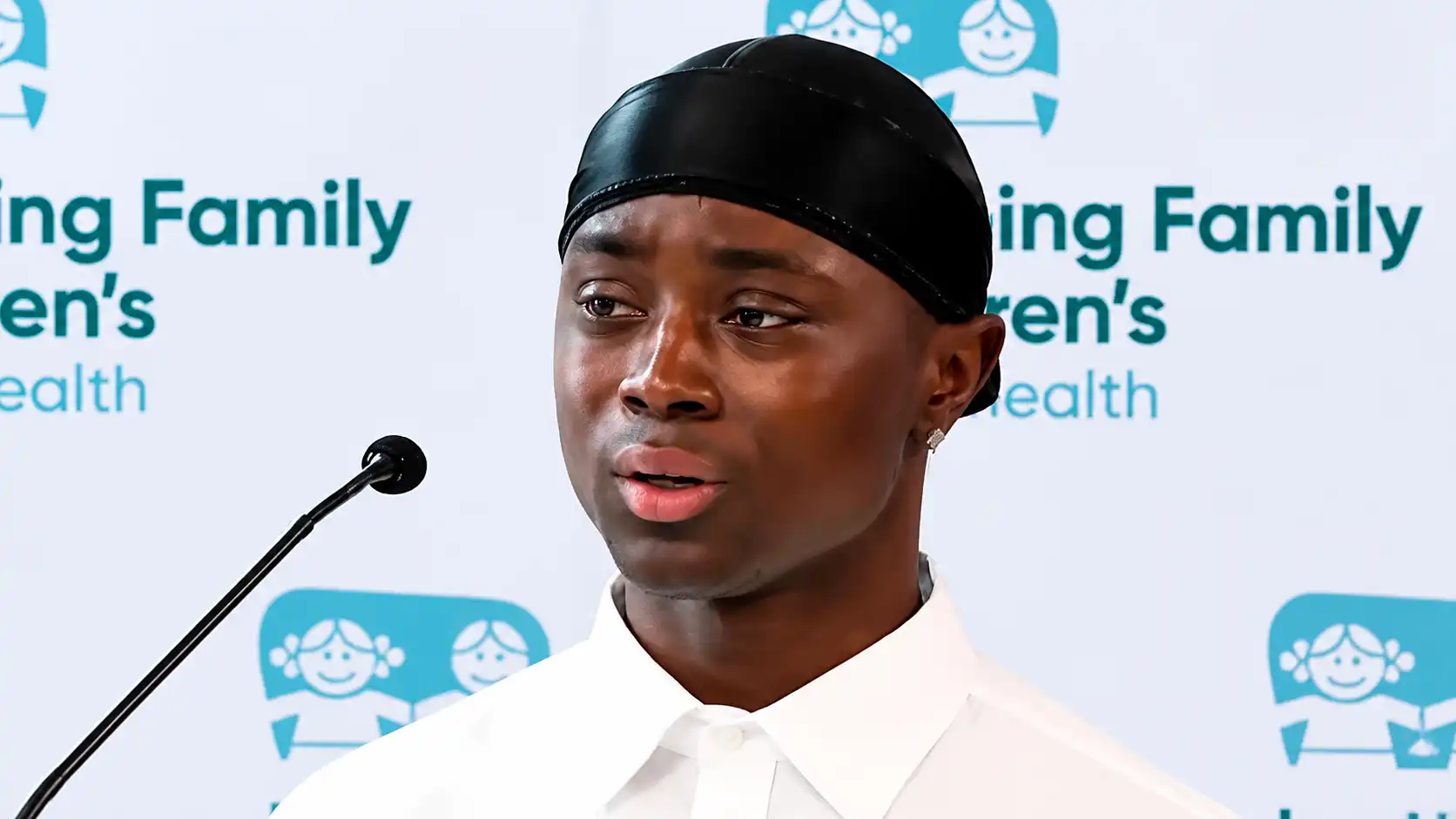
23-year-old Daniel Cressy has become the first patient in Louisiana to be functionally cured of sickle cell disease after gene therapy at Manning Family Children’s Hospital in New Orleans.
Cressy has dealt with this inherited blood disorder since he was a child. To him, this result is more than just a medical achievement. It represents the end of a long cycle of pain, hospital visits, and limitations that impacted both his health and aspirations.
“I feel like I’ve been given a second life,” he said after his recovery, according to reports. He recalled the moment doctors confirmed that his condition was no longer active.
A Medical Breakthrough in Louisiana
Medical teams confirmed that Cressy received a CRISPR-based gene-editing therapy. The therapy aimed at correcting the genetic mutation that causes sickle cell disease. The treatment involved taking his stem cells, modifying them in a laboratory, and then reintroducing them after chemotherapy to reset his blood system.
Health officials and doctors involved in his care state that the outcome is functionally curative. This means the disease is no longer detectable or actively causing symptoms in him after treatment.
According to statements from the hospital and health system, Cressy is now the first known patient in Louisiana and one of the earliest in the Gulf South to achieve this result through gene therapy.
A Two-Year Journey Through Treatment
The treatment did not happen overnight. It unfolded over about two years, requiring careful coordination among specialists, genetic labs, and transplant teams.
His stem cells were collected and sent for gene editing using CRISPR technology, which enables scientists to “turn off” the faulty gene that creates abnormal hemoglobin. After chemotherapy to clear space in the bone marrow, the modified cells were put back into his bloodstream.
Medical experts view this approach as one of the most advanced forms of personalized medicine currently available for blood disorders. It aims to provide a single curative treatment instead of ongoing symptom management.
From Pain Management to Possibility
For most of his life, sickle cell disease influenced every major decision Cressy made. The condition disproportionately affects Black patients. It causes red blood cells to become stiff and crescent-shaped. This leads to blockages in blood flow, severe pain, and organ issues.
Like many patients, Cressy’s daily routine revolved around avoiding triggers, managing hospital visits, and preparing for unexpected crises.
He had long dreamed of becoming a commercial pilot. However, the disease severely limited his ability to pursue aviation training and certification.
That has now changed.
Following his recovery, Cressy is expected to resume his aviation goals. This is along with broader personal ambitions that were previously thought to be out of reach.
The Science Behind the Cure: CRISPR Gene Editing
At the heart of this breakthrough is CRISPR gene-editing technology, which allows doctors to modify DNA instructions within a patient’s cells.
In sickle cell disease, a single genetic mutation disrupts hemoglobin production. This therapy reprograms stem cells so the body can produce healthy hemoglobin again. This reduces or eliminates the sickling process that causes pain and complications.
While gene therapy has been used experimentally in recent years, 2026 is expected to be a time when real-world clinical results increasingly validate its potential. This is as a long-lasting treatment rather than just an experimental option.
A Symbol of Future Medicine
Beyond individual success, Cressy’s case is seen within the medical community as part of a broader trend toward curative therapies for genetic disorders.
For patients and families affected by sickle cell disease, his outcome shows that a long-term cure is no longer just a theory.
His journey now marks both a medical milestone and a deeply personal change: from a life limited by chronic illness to one filled with restored possibility.
For Daniel Cressy, that future has already started.