
Maryland Honors Black Boys Buried at Former Reform School With New Marker Unveiled by Gov. Wes Moore

Share
Maryland has taken a meaningful step in facing a dark part of its racial history. Governor Wes Moore recently revealed a historical marker to honor hundreds of Black boys believed to be buried in unmarked graves near the former House of Reformation and Instruction for Colored Children in Cheltenham, Prince George’s County.
The memorial ceremony took place on May 6, 2026. It publicly acknowledges decades of abuse, forced labor, segregation, and neglect that Black children experienced at the institution. This eventually became the Cheltenham Youth Detention Center. State officials, historians, lawmakers, and descendants gathered at the site to remember children who have largely been forgotten by history for over a century.
Research by Maryland officials and historians has found at least 230 possible unmarked graves linked to the former reform school. However, lawmakers and researchers think the real number could be much higher. The institution opened in 1870 during the Reconstruction era. It served as a segregated facility for Black boys, some as young as five. Records show many children were sent there for minor offenses and then faced harsh treatment, including physical abuse and forced labor on farms and in factories.
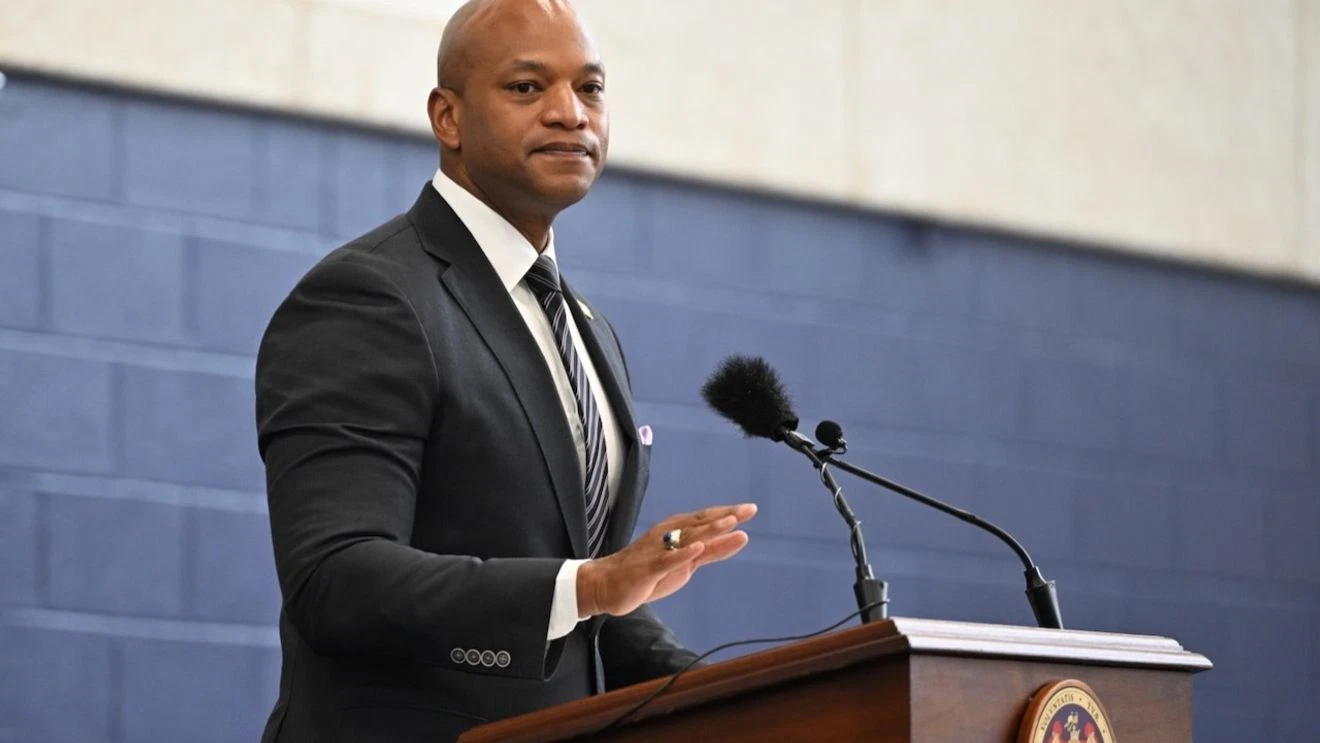
During the unveiling ceremony, according to reports, Moore called the site a painful reminder of “state-sanctioned harm.” He emphasized that Maryland has a duty to share the truth about its past.
“Loving our state does not mean lying about its history,” Moore said. “It means telling the truth, even when the truth is hard.”
The governor also spoke of the suffering experienced by the children buried near the facility.
“This is where they came to die,” Moore stated. “Today is an important reminder that darkness does not win; light does.”
The new roadside marker now stands near Frank Tippett Road and Route 301 in Cheltenham. Its inscription honors Black boys who were denied education, dignity, and equal protection under segregation-era policies.
Maryland lawmakers believe the memorial is just the start of a larger truth and reconciliation effort. State Senator William C. Smith Jr. confirmed the formation of a new state commission. This commission will conduct forensic, genealogical, and historical investigations into the burial sites and the identities of the children who died while in state care.
“I would hazard to guess that we’re just at the very tip of the iceberg,” Smith remarked.
The Moore administration has allocated over $1 million for archaeological work, including ground-penetrating radar surveys and burial site investigations. Officials state this initiative is part of a broader effort to tackle racial disparities in Maryland’s juvenile justice system while preserving overlooked Black history.
Prince George’s County Executive Aisha Braveboy referred to the marker as an act of “historical rescue,” restoring dignity to children whose lives and deaths were neglected for generations.
The unveiling also holds national importance. This is because states across America are increasingly urged to confront their histories related to racial injustice, segregation, and institutional abuse. For Maryland, officials stress that this memorial is not just about remembering; it’s about accountability and healing.
For many attendees, the ceremony marked a long-overdue acknowledgment that the lives of those boys mattered and that their stories would no longer be silenced.