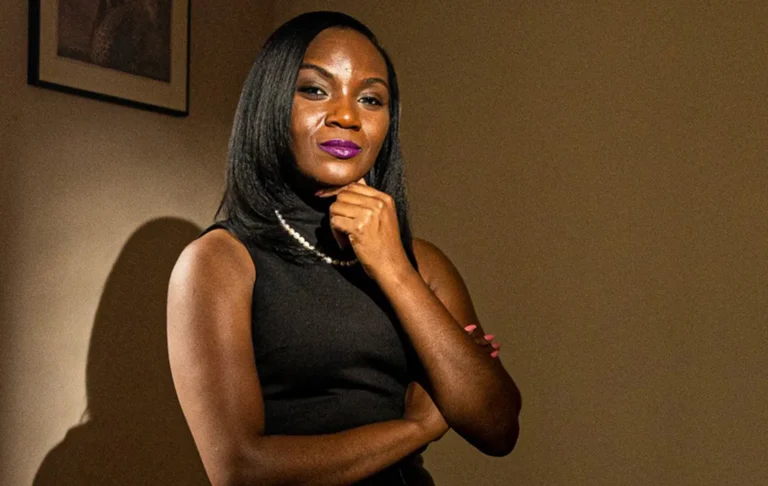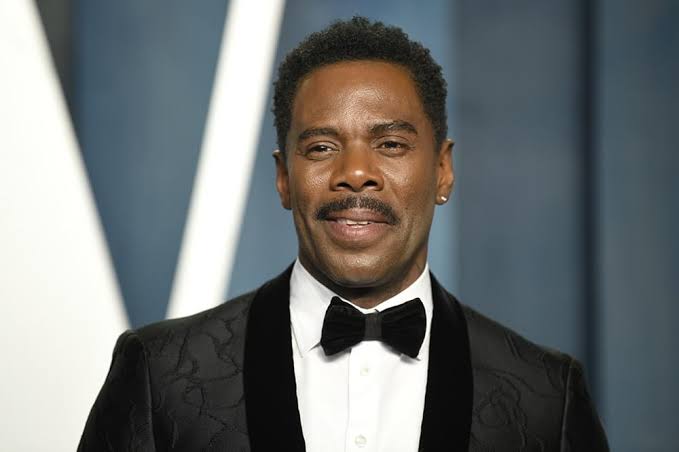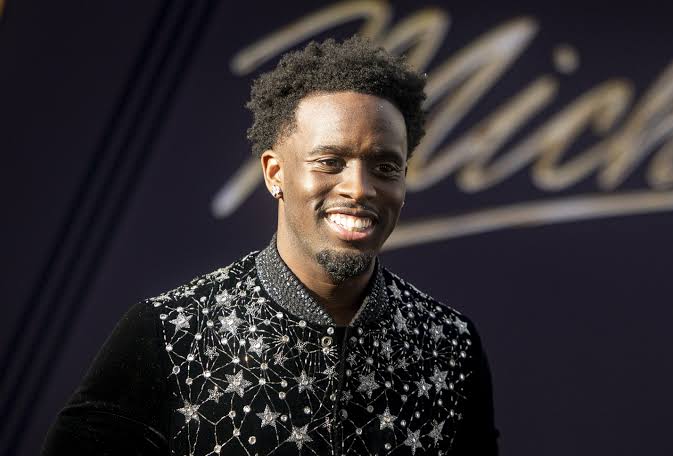
Across technology, venture capital, media, and enterprise services, Black American entrepreneurs are reshaping industries. They are expanding economic opportunities and challenging long-held barriers. From billion-dollar technology infrastructure to influential digital ecosystems, these founders are redefining leadership in the modern American economy.
By 2026, their collective impact highlights a significant trend: Black innovation is foundational, not niche. Here are 6 Black entrepreneurs whose work is driving change and inspiring the next generation of leaders.
1. David Steward – Building America’s Largest Black-Owned Tech Powerhouse

David Steward, Chairman and Founder of World Wide Technology (WWT), is a leading figure in American enterprise technology. WWT, a digital infrastructure and services company, has become one of the largest privately held technology firms in the United States. It generates billions in annual revenue and employs thousands across multiple continents. Steward’s journey from humble beginnings to the richest African American in the U.S. showcases entrepreneurial resilience.
Under his leadership, WWT has become a key partner for Fortune 500 companies integrating cloud computing, cybersecurity, and digital solutions, which are critical to today’s industrial transformation.
2. Robert F. Smith – Private Equity Visionary and Social Impact Champion

Robert F. Smith, founder and CEO of Vista Equity Partners, is one of the most influential private equity investors worldwide. Vista specializes in enterprise software and data infrastructure, which drive digital transformation across various sectors, from finance to healthcare.
Smith’s leadership has helped Vista grow into a powerhouse with tens of billions in assets under management. Beyond financial returns, he is known for social impact initiatives, including significant philanthropy in education and community development. As capital flows become increasingly important for early-stage innovation, his efforts show how investment leadership can accompany broader economic uplift.
3. Morgan DeBaun – Scaling Media and Tech to Amplify Black Voices

Morgan DeBaun, Founder and CEO of Blavity Inc., has built a key digital media ecosystem for Black culture and innovation. Blavity’s portfolio includes brands like AfroTech, Travel Noire, and Shadow and Act, reaching millions monthly and hosting some of the largest industry-focused conferences in the United States.
DeBaun’s vision goes beyond content. She has transformed Blavity into a cultural hub that fosters community connection, economic opportunity, and entrepreneurial support. Blavity’s nonprofit arm, Blavity.org, provides startup fellowships and mentorship programs to help bridge the opportunity gaps faced by often-excluded founders.
4. Janice Bryant Howroyd – Scaling Workforce Services Worldwide

As Founder and CEO of ActOne Group, Janice Bryant Howroyd leads the largest Black-owned workforce management and staffing company in the United States. With operations in several countries and a range of talent solutions, ActOne connects organizations with skilled professionals while promoting inclusive hiring practices.
Howroyd’s excellence in leadership has consistently ranked ActOne among the top business services firms in the nation. Her journey from launch to global scale demonstrates how a clear vision combined with operational effectiveness can create opportunities for workers and drive sustainable corporate growth.
5. Ryan Glover – Financial Infrastructure for Black Entrepreneurs
Ryan Glover is a co-founder of Greenwood Financial, a digital banking platform aimed at serving Black and Latinx communities that have historically lacked access to financial services. Greenwood’s mobile-first bank accounts, financial tools, and community rewards programs aim to address ongoing disparities in wealth and credit access.
Though specific user figures are often proprietary, Greenwood is seen as a leading model in inclusive fintech. This sector is innovating how underserved communities interact with the financial system. By emphasizing community economic power, Glover’s leadership indicates a change in fintech from transactional services to long-term wealth building.
6. Tope Awotona – Democratizing Productivity Software

Tope Awotona is the Founder and CEO of Calendly, a scheduling and productivity software that simplifies meetings and time management for millions of users around the world. Founded before 2026 in Atlanta, the company continues to innovate in automation, integrations, and workflow efficiency, positioning it at the heart of modern digital workplace transformation.
Awotona’s story, building a globally recognized tech platform from early-stage roots, illustrates how Black founders are impacting mainstream software markets with tools that enhance productivity for businesses of all sizes.
Innovation Driven by Opportunity and Community
What connects these leaders is not just their success, but the systems and infrastructures they are establishing for others. From capital flows to community ecosystems and enterprise tech to cultural media platforms, these entrepreneurs represent innovation that scales and includes.
Their achievements remind us that true industry transformation is more than market share or valuation. It’s about expanding possibilities, creating access, and inspiring a future where Black American innovation is recognized as vital to the foundations of the American economy.