

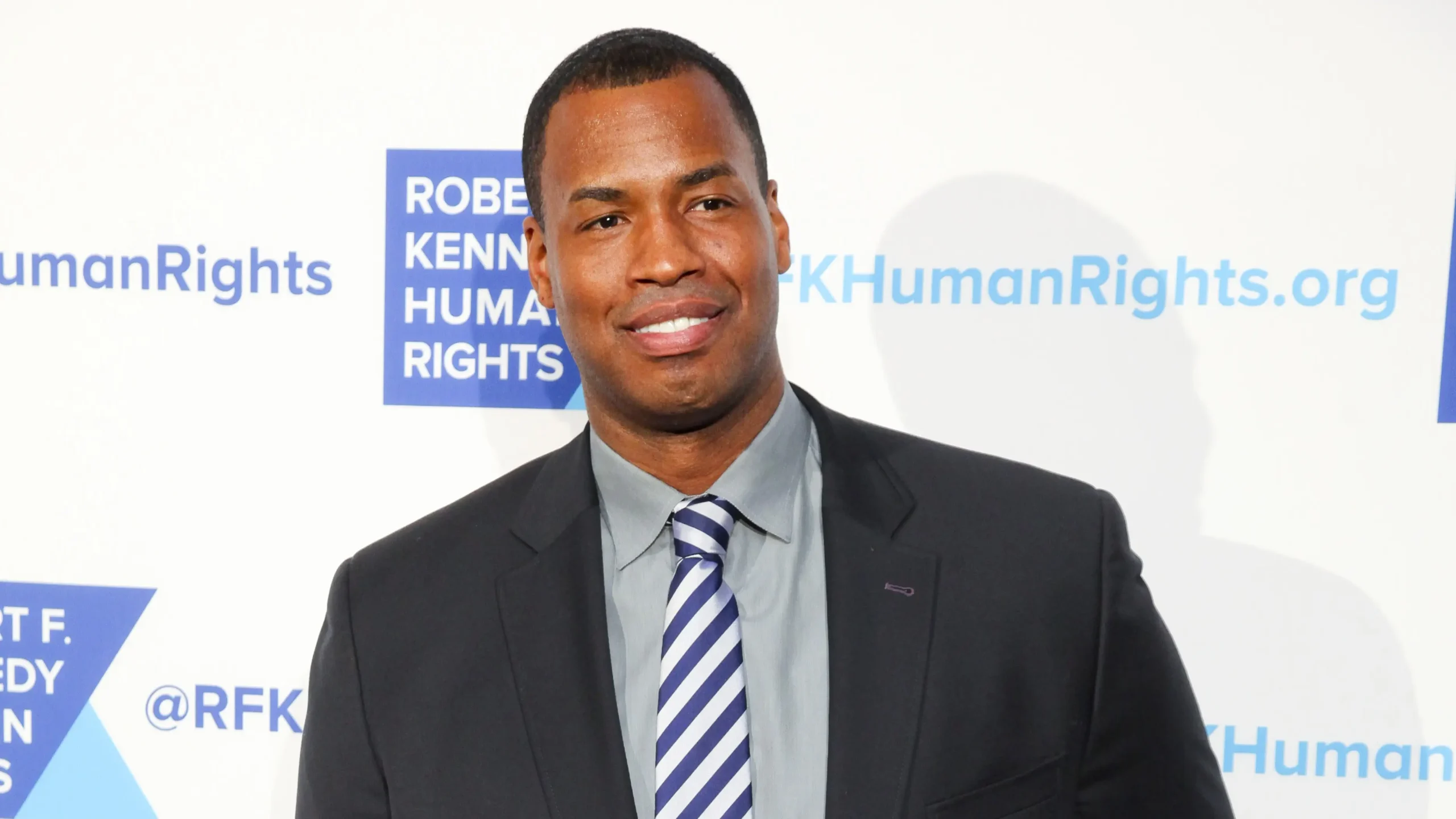
Jason Paul Collins died on May 12, 2026, at 47 after an eight-month battle with stage 4 glioblastoma, a very aggressive brain cancer. He is the NBA veteran who broke one of professional sports’ longest-standing barriers. Surrounded by loved ones and supported by global admiration, Collins’ journey from the hardwood to a historic social pioneer defined a generation’s push for inclusion in sports.
His family confirmed his passing in an official statement released by the NBA: “We are heartbroken to share that Jason Collins, our beloved husband, son, brother, and uncle, has died after a valiant fight with glioblastoma.” Records show that glioblastoma, also known as GBM, remains one of the deadliest brain tumors, with average survival measured in months.
A Career on the Court
Drafted 18th overall in 2001 by the Houston Rockets, Collins enjoyed a 13-season NBA career that spanned seven teams, including the New Jersey Nets, Boston Celtics, Washington Wizards, and Brooklyn Nets. Known as a hardworking center with a defensive mindset, Collins provided value that went beyond box-score statistics. He was a reliable teammate whose professionalism earned respect across locker rooms.
His NBA résumé, while modest statistically with career averages of 3.6 points and 3.7 rebounds per game, included appearances in consecutive Eastern Conference Finals with the Nets in 2002 and 2003. More importantly, his impact off the court would surpass even his most memorable on-court moments.
The Coming Out That Changed Sports
In April 2013, Collins made global headlines with a first-person essay in Sports Illustrated in which he publicly came out as gay. He became the first openly gay athlete to play in any of North America’s four major professional sports leagues while still active. This was a historic moment in sports and cultural history.
At the time, Collins wrote with quiet resolve: “I am a 34-year-old NBA center. I’m black. And I’m gay.” That simple declaration resonated far beyond basketball arenas. The response was remarkable for its breadth. NBA Commissioner Adam Silver praised his courage, while then-President Barack Obama honored him as a role model whose honesty would expand the game’s reach.
He returned to the Brooklyn Nets in 2014. He was wearing jersey No. 98 to honor Matthew Shepard, a young man whose death became a symbol of anti-LGBTQ+ hate. This marked the first time an openly gay athlete played in the league. That night wasn’t just a game; it was a moment of cultural affirmation.
Advocacy and Influence Beyond Basketball
After retiring in 2014, Collins became a prominent voice for inclusion in sports communities. He worked with LGBTQ+ organizations and youth initiatives to help break down stereotypes. These include stereotypes that have historically sidelined athletes who don’t fit predetermined norms. His leadership sparked important conversations about diversity and respect within locker rooms and communities worldwide.
His induction into the National Gay & Lesbian Sports Hall of Fame and inclusion in lists like Time’s “100 Most Influential People in the World” showed his broad influence, not just as an athlete but as a cultural pioneer.
In the years after his coming out, visibility for LGBTQ+ athletes increased. Today, figures from basketball, football, and rugby credit Collins’ courage as inspiration. This proves that one voice can shift entire conversations.
Personal Life and Final Months
Collins’ personal life reflected the same authenticity he showed publicly. In 2025, he married his longtime partner, Brunson Green, a film producer known for his work on The Help. During Collins’ illness, Green remained a constant source of strength and companionship, often accompanying him on treatment trips and offering comfort amid difficult medical challenges.
When Collins announced his glioblastoma diagnosis publicly in late 2025, he did so with characteristic honesty, focusing less on fear and more on the love and support that surrounded him. Friends and former teammates described his last months as filled with grace, dignity, and a strong commitment to being present for others.
Tributes from the Basketball World
Messages from across the sport came in after the news of his death. Former Nets coach and teammate Jason Kidd said simply: “This one hurts.” The NBA Players Association honored Collins as a pioneer whose bravery would continue to influence future generations.
NBA Commissioner Adam Silver reflected on Collins’ legacy: “Jason’s impact will endure not only in basketball culture but in every area where courage confronts fear and understanding overcomes ignorance.” Those words capture the heart of his contribution, one that reshaped how the world views athletes and authenticity.
A Legacy Defined by Courage
Jason Collins’ legacy is not measured in points or rebounds but in transformation: how he changed the landscape of professional sports, expanded what athletes could be, and empowered future generations to embrace their truths. His life was a testament to how courage and identity, when expressed boldly and honestly, can redefine expectations.