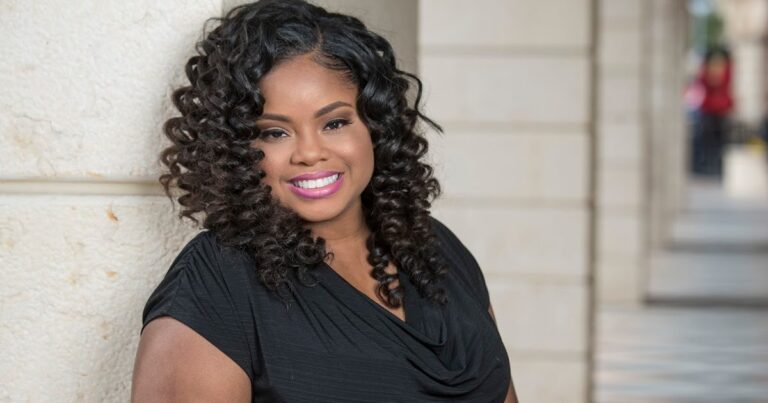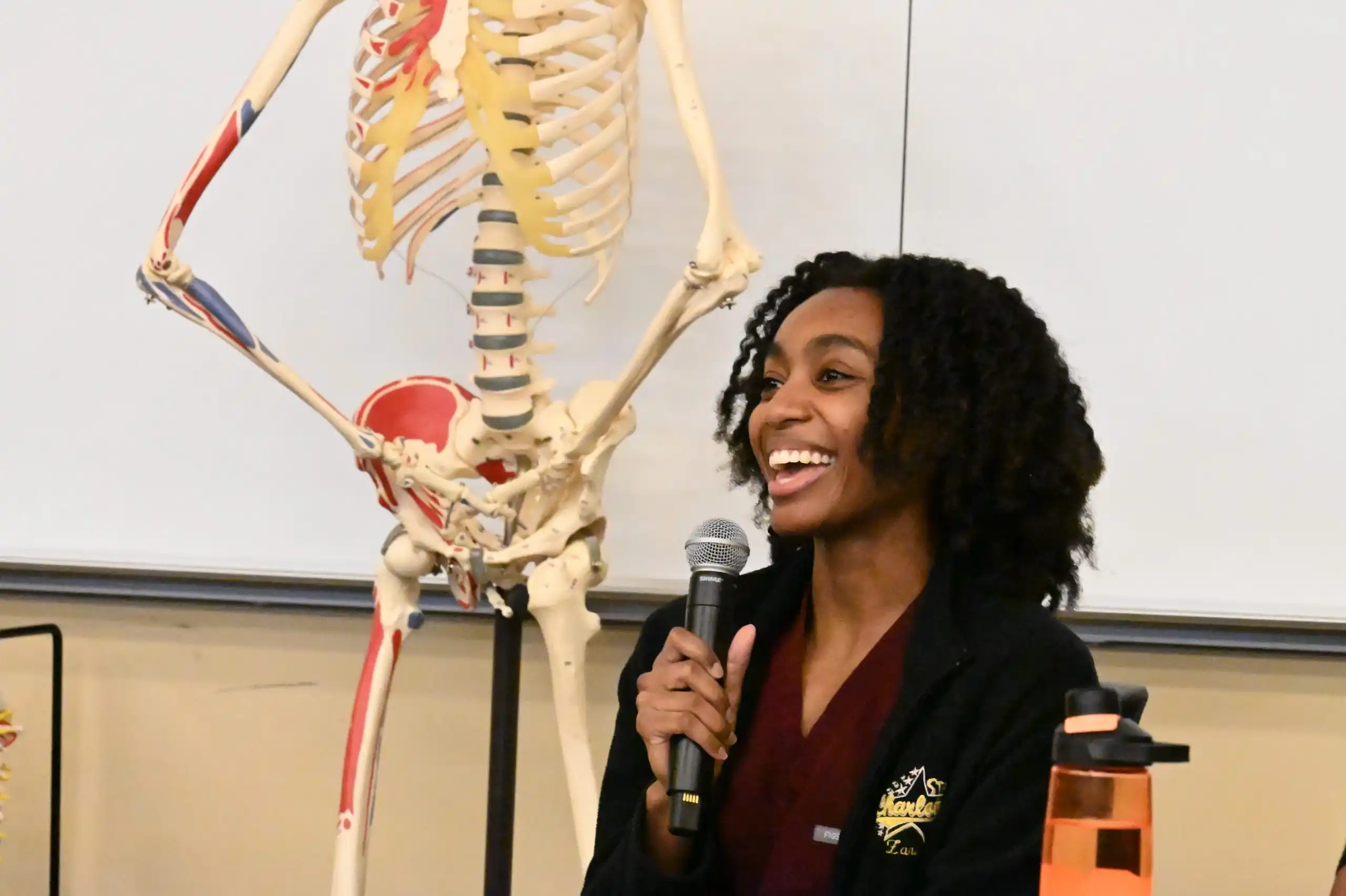
Campbell University’s Physician Assistant (PA) program hosted an important panel discussion about Black hair as it relates to identity, history, and professional experience in healthcare. The event took place in the Leon Levine Hall of Medical Sciences. It brought together students and faculty to discuss how hair connects to personal identity, cultural heritage, and views in clinical and academic settings.
The discussion pointed out that Black hair is more than just a style; it represents identity, cultural pride, and lived experience. Panelists stressed that in healthcare environments, where perceptions of professionalism often influence interactions, hair can affect how individuals are seen and how they manage their professional paths.
What Was the Campbell PA Program Black Hair Discussion About?
The Campbell PA program panel focused on the cultural, social, and professional aspects of Black hair, including:
- Personal experiences with natural hair and chemical treatments
- The historical development of Black hair practices and the natural hair movement
- Workplace views on Black hairstyles in healthcare and other professional settings
- The importance of cultural understanding in patient care and medical training
The aim of the conversation was to raise awareness among future healthcare professionals about identity, inclusivity, and bias, especially in places where appearance can unintentionally affect judgment.
Who Participated in the Panel Discussion?
The panel included faculty and students from Campbell University’s College of Pharmacy and Health Sciences, featuring:
- A physical therapy faculty member
- A pharmacy faculty member
- A physician assistant student
A dual-degree student in Public Health and Physician Assistant Practice moderated the session, showing the interdisciplinary interaction within the health sciences community.
Panelists shared their personal hair journeys. They talked about experiences with chemical relaxers, switching to natural hair, and dealing with professional expectations in academic and clinical settings.
Why Is Black Hair Culture Relevant in Healthcare?
The discussion highlighted how vital cultural understanding is in healthcare education and practice. Knowing about patients’ backgrounds, including their expressions through hair, can help providers build trust, decrease bias, and offer fair care.
Black hair has often faced societal judgment, with natural styles sometimes misunderstood in professional environments. Conversations like this aim to challenge those biases and promote inclusive standards that recognize appearance diversity as part of cultural identity.
Key Takeaways from the Event
- Black hair is closely linked to cultural identity, history, and personal expression.
- Professional settings can unintentionally shape views of appearance.
- Healthcare providers gain from cultural awareness when working with diverse populations.
- Open dialogue helps future clinicians manage inclusivity and lessen bias in patient care.
- Institutions are increasingly adding cultural discussions to health sciences education.
What Is the Broader Significance of Discussions on Black Hair in Professional Spaces?
Events like the Campbell PA program panel show a growing awareness in academic and healthcare institutions that diversity goes beyond representation. It includes understanding lived experiences. Discussing topics like Black hair culture helps create more inclusive training environments and better prepares future professionals to serve diverse communities.
FAQ
What is Black hair culture?
Black hair culture includes the traditions, practices, and social meanings associated with Black hair, such as natural styling, protective styles, and grooming practices rooted in African heritage.
Why is Black hair important in discussions about professionalism?
Appearance can shape perceptions in workplaces. Conversations about Black hair help address bias, promote inclusivity, and ensure fair professional standards.
What is the “natural hair movement”?
This cultural movement encourages people of African descent to embrace their natural hair textures instead of chemically altering them. It became prominent in the late 20th and early 21st centuries.
Why are healthcare programs discussing cultural topics like hair?
Healthcare education is increasingly focusing on cultural understanding. This helps future providers learn about diverse patient backgrounds and reduce unconscious bias in clinical care.