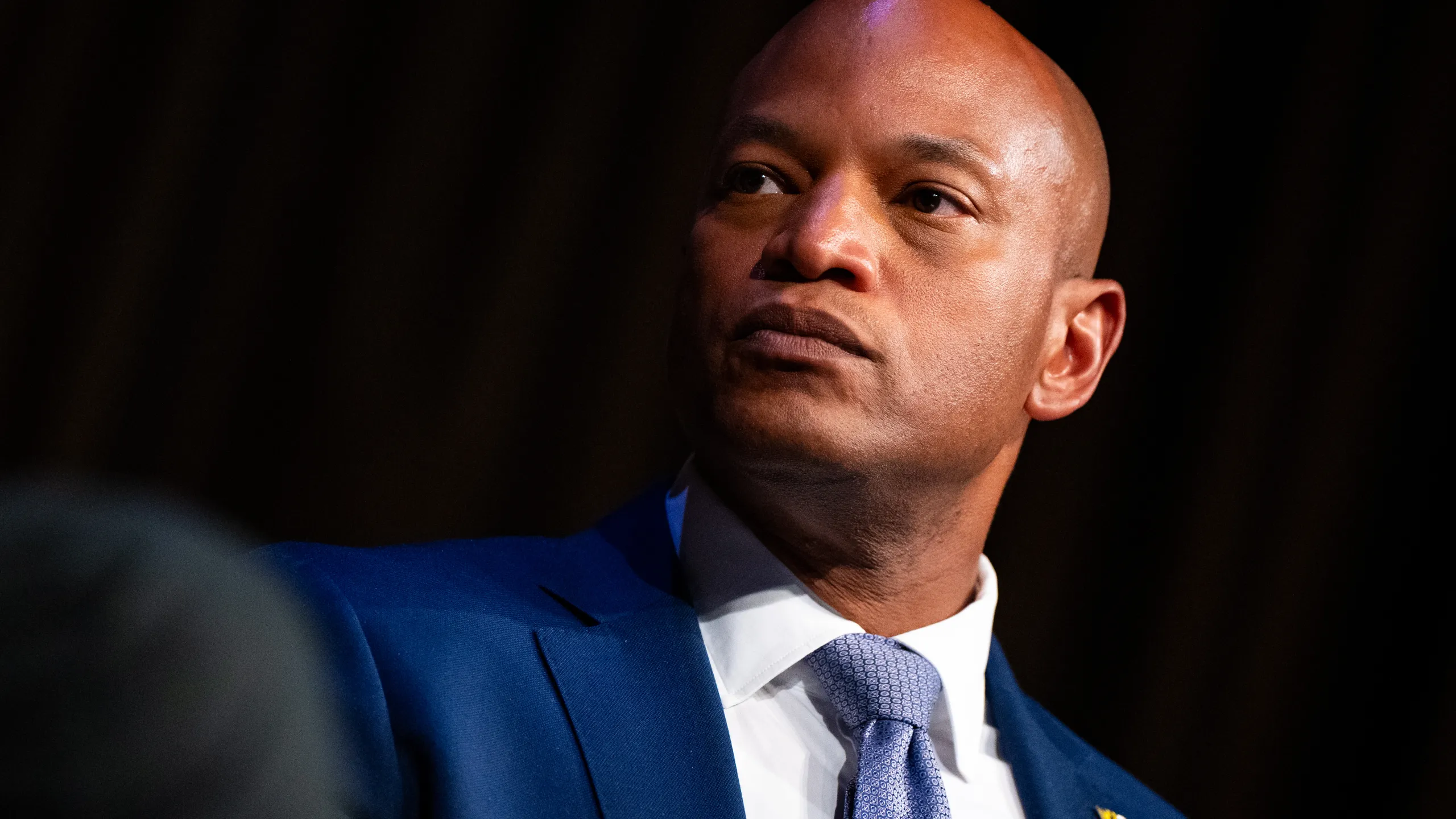
In a critical political struggle with national consequences, Wes Moore, Maryland’s first Black governor, has not succeeded in his effort to redraw the state’s congressional map. This initiative aimed to boost Democratic strength ahead of the 2026 elections.
The proposal sought to change Maryland’s electoral boundaries to possibly eliminate the state’s only Republican-held congressional seat. However, it ultimately failed in the state Senate, revealing significant divisions within the Democratic Party and highlighting the complicated legal and political landscape of modern redistricting.
What Was Moore Trying to Achieve?
The failed initiative aimed to turn Maryland’s current 7-1 Democratic advantage in the U.S. House into a complete 8-0 majority. Andy Harris, the state’s lone Republican representative, was seen as the main target of the proposed changes.
The redistricting plan came from a commission Moore established in late 2025. After months of hearings and discussions, the commission recommended new district lines intended to make the Republican-leaning Eastern Shore more competitive for Democrats.
The Maryland House of Delegates passed the proposal with a strong vote, showing solid support in one part of the legislature. However, the effort stalled in the Senate, where leaders did not bring the bill to a vote.
Why Did the Plan Fail?
According to reports, Moore’s redistricting effort faltered not because of opposition from other parties, but due to pushback within his own.
Bill Ferguson, a fellow Democrat and Senate President, became the main hurdle. He warned that pursuing aggressive mid-cycle redistricting could lead to legal issues and might backfire.
He bluntly stated that more gerrymandering might result in a court-imposed map that could be even less friendly to Democrats.
Legal precedent also played a significant role. Maryland’s previous congressional map had been rejected by courts for being too partisan, raising concerns that a new attempt might face similar scrutiny.
One key takeaway from this legislative deadlock: even in a solidly blue state, political unity does not always lead to agreement on policy.
A National Battle Playing Out in Maryland
Moore’s effort did not happen in a vacuum. It is part of a larger national struggle over redistricting.
Across the U.S., both Democrats and Republicans are considering map changes during the election cycle to gain an advantage in Congress. These efforts are partly driven by renewed pressure following aggressive redistricting moves in states led by Republicans.
Moore framed the issue in strong moral language, warning against what he called “political redlining” and stressing the importance of minority representation and fair democracy.
His argument reflects a broader Democratic strategy: countering Republican-led redistricting with equally forceful actions in blue states.
Leadership, Limits, and Lessons
The unsuccessful attempt highlights a major challenge for Governor Moore: leading within a party that agrees on ideology but disagrees on tactics.
Despite having strong public support and leading a heavily Democratic state, Moore has faced difficulties in uniting legislative leaders behind his bold initiatives.
Yet, this moment also provides a broader lesson in democratic governance: institutional checks, legal boundaries, and internal debates are strong forces, even within dominant political groups.
What Happens Next?
With the chance for redistricting effectively gone before the 2026 elections, Maryland is likely to stick with its current congressional map.
For Moore, though, the effort may not be finished.
The governor has shown willingness to explore other options, including potential constitutional clarifications or future reforms to the redistricting process.
More generally, his effort has established Maryland as an important player in the national discussion on electoral fairness, representation, and changing political competition rules.
The Bigger Picture
Why did Wes Moore’s redistricting plan fail?
Because of resistance within his party, legal worries, and concerns about court involvement, even with Democratic control of the state government.
What does it mean?
It shows that political power alone is insufficient, strategy, legality, and consensus are also crucial in shaping electoral systems.
Final Word
Governor Wes Moore’s unsuccessful redistricting attempt is not just a legislative setback; it represents a key moment in the evolving story of American democracy.
It showcases a leader willing to engage actively in the national debate over representation while also facing the realities of governance: progress often encounters as much resistance as it does ambition.
In that tension lies the enduring promise of democracy, not perfection, but persistence.