

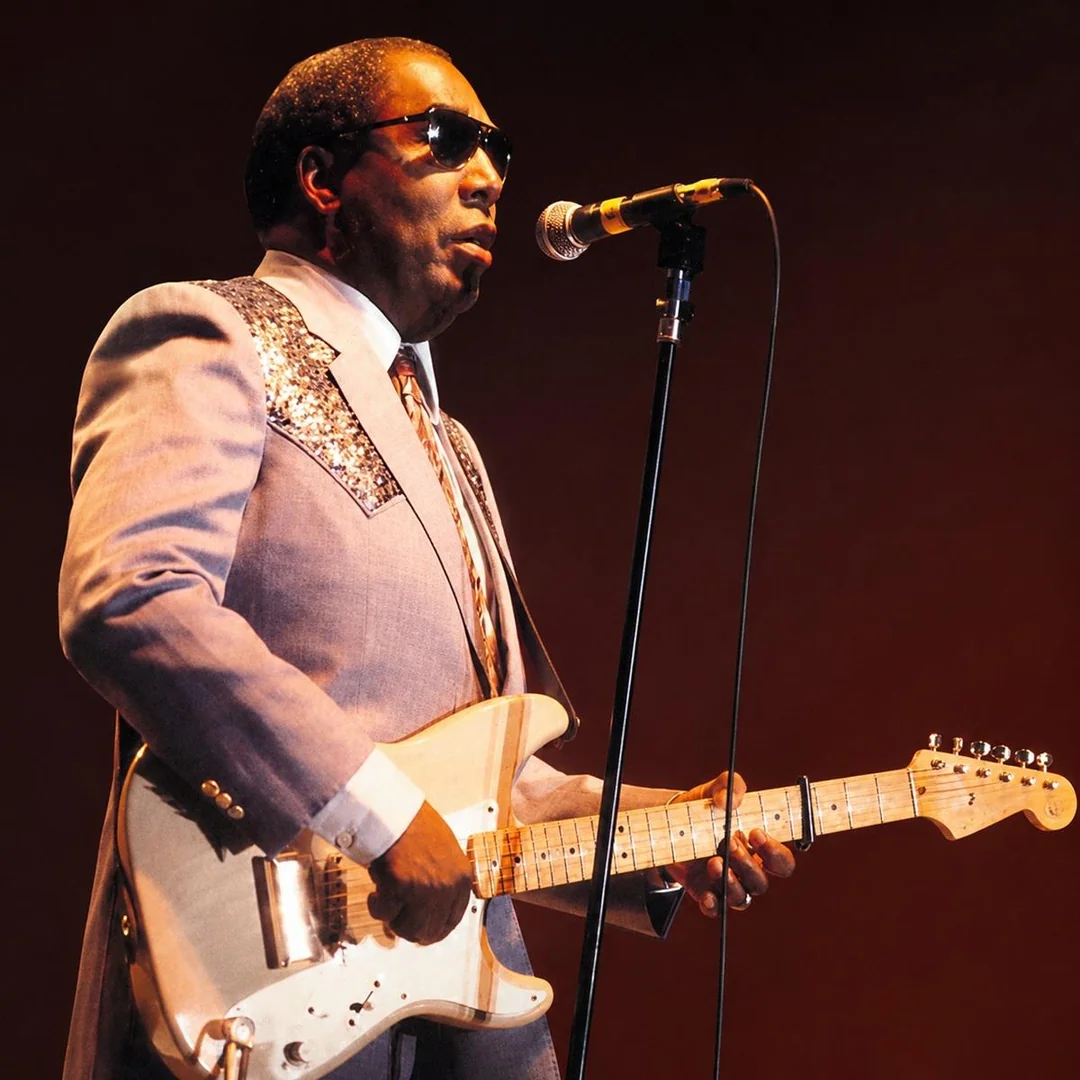
Clarence Carter, a major figure in Southern soul who was known for his powerful voice filled with raw emotion, has died at the age of 90. His death on May 13, 2026, marks the end of an extraordinary journey. It spanned six decades, changing American music through storytelling, heartfelt pain, and humor.
Born blind on January 14, 1936, in Montgomery, Alabama, Carter was immersed in music from a young age. Influenced by the strong rhythms of gospel and blues, he taught himself to play guitar and later earned a music degree from Alabama State College. These early experiences laid the groundwork for a career as tough as his gravelly voice.
In the 1960s, Carter found his place at Fame Studios in Muscle Shoals, Alabama. This was a hub for Southern soul where many legendary artists emerged. He began as part of the duo Clarence & Calvin, but after a car accident sidelined his partner, he broke out as a solo artist. His sound became a defining feature of the time.
Carter’s breakthrough song, “Slip Away” (1968), highlighted his unique talent for merging vulnerability with rhythm, achieving significant success on both R&B and pop charts. However, it was “Patches” (1970) that became his most lasting hit. This soulful tale of love tested by hardship reached No. 4 on the Billboard Hot 100. However, its real power lay in its story. It tackled themes of responsibility, loss, and personal growth; Carter shared little explicitly in interviews. Instead, the song’s spoken introduction and emotional development spoke volumes, helping listeners face their own difficult choices through his distinctive voice.

“…Clarence Carter is an absolute gem.” BigRagu79 shared on Reddit, echoing the feelings of many who found his songs resonated with their own challenges.
Carter’s personal life also had its complexities. He married fellow soul singer Candi Staton in 1970. However, their marriage lasted only three years. Despite this, they had a son and shared stories that reflected the emotional ups and downs of the time. Staton later wrote about their relationship in her memoir, adding depth to Carter’s story. It is a narrative infused with the imperfections of love that influenced his music.
Yet Carter was not limited to serious songs. His remarkable talent for infusing humor and sensuality into his music set him apart. The song “Strokin’” (1986) became a cultural hit known for its playful lyrics and bold attitude. The song was initially banned from mainstream radio due to its explicit content. However, it found its way into jukeboxes, clubs, and even Hollywood movies like The Nutty Professor. This introduces Carter’s bold style to new audiences.