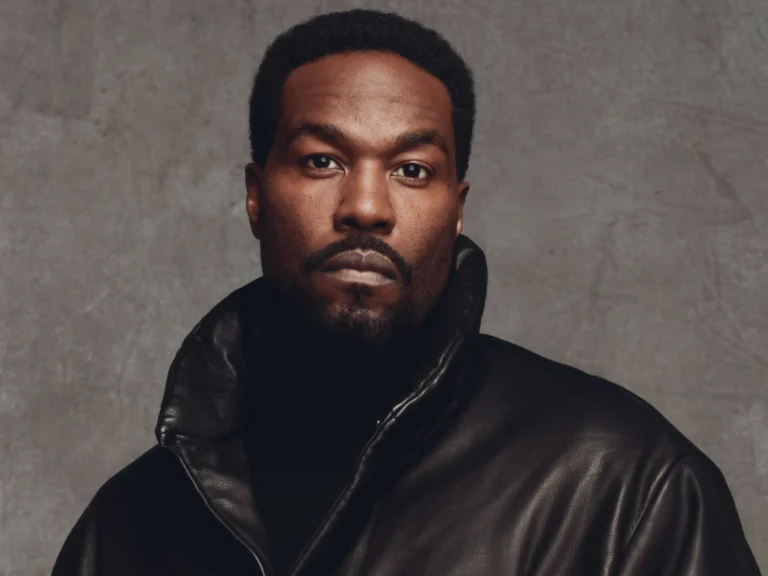
In a deeply moving moment on national television this weekend, actor Russell Andrews, 64, shared his diagnosis of Amyotrophic Lateral Sclerosis (ALS), a progressive and incurable neurodegenerative disease. He received unwavering support from his fiancée and fellow actor Erica Tazel, who is now his primary caregiver.
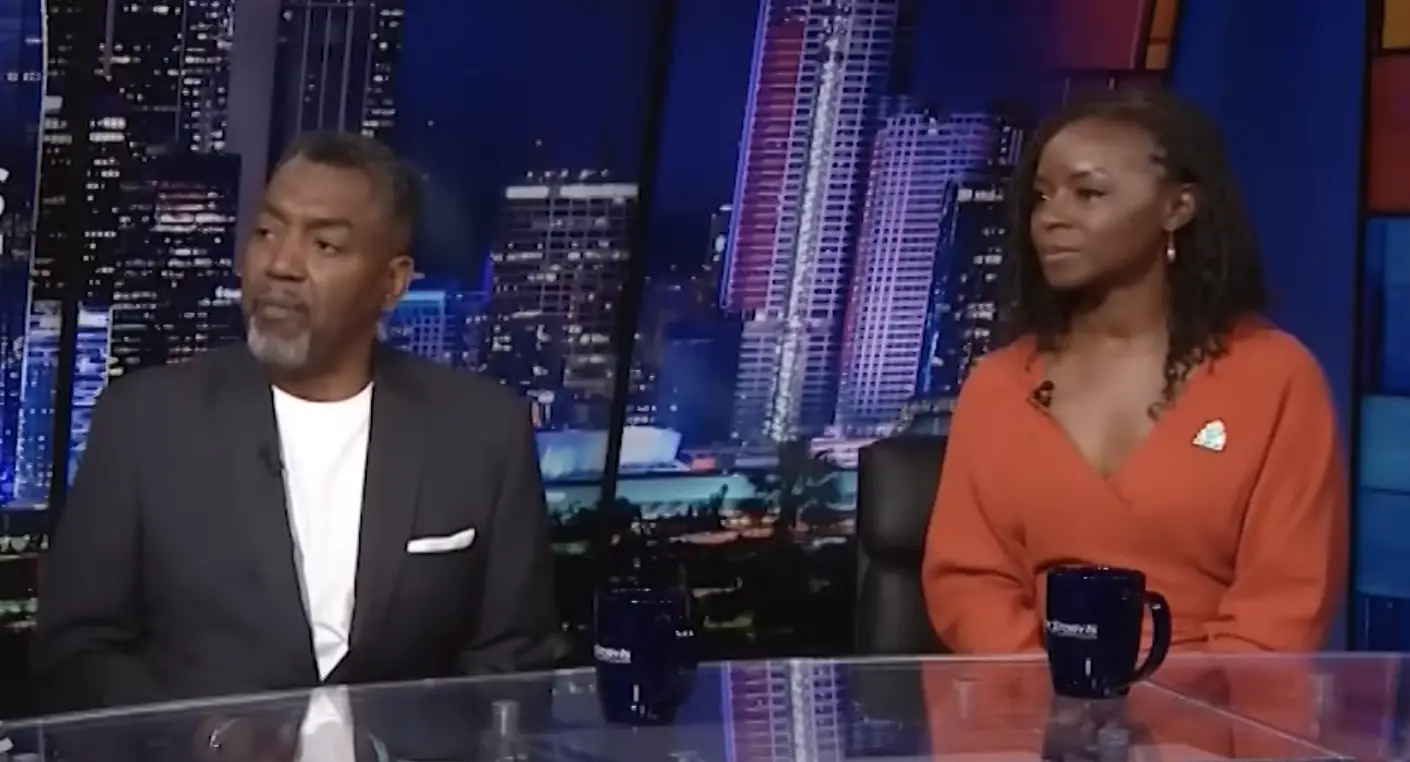
Andrews, known for his roles in Better Call Saul and Straight Outta Compton, appeared with Tazel during a May 16 interview on CNN’s The Story Is with Elex Michaelson. He spoke openly about his diagnosis and the emotional journey that has changed both of their lives.
“I am a person living with ALS,” Andrews said, according to reports. His voice was steady but reflective. He acknowledged the reality of a condition that slowly weakens muscle control. He received the diagnosis in late 2025 after months of misidentified symptoms. These included muscle twitches and nerve sensations that he initially thought were just stress or neck strain from the COVID pandemic. He eventually experienced more serious issues, such as dropping objects and trouble moving.
ALS, also known as Lou Gehrig’s disease, attacks nerve cells in the brain and spinal cord. It gradually takes away voluntary muscle function. Medical experts say the average life expectancy after diagnosis is three to five years, though some patients live much longer.
Tazel, whose acting credits include respected television and stage roles, shared how she first noticed the early signs of the disease. “The way he walked… There were subtle little things,” she recalled in the interview. “I had questions. I thought, something is definitely wrong.”
Her response to the confirmed diagnosis showed a deep love that resonated with viewers. “There was not a sigh of relief,” Tazel reflected. “But some understanding… and I looked at him across the room, and I said, ‘At least now we know what it is, and I still want to be your wife.’”
That moment was raw, honest, and deeply human. It has shaped their story as one of personal struggle and remarkable commitment. Tazel described how the experience has changed her understanding of love: “That there are cases where it is truly unconditional.”
Andrews expressed gratitude to the supportive ALS Network community, which has helped them navigate early challenges. “They have not let us miss a step in terms of care, the attention, the awareness, and the ability to get me here today,” he said.
Advocates for ALS research welcomed Andrews’ decision to go public. They noted the significance of high-profile visibility during ALS Awareness Month, which highlights patient experiences and stresses the need for better treatments. Recent collaborations between Andrews and ALS support groups aim to boost discussions on funding for neurodegenerative research and caregiver support.