In an age of busy schedules, constant notifications, and rising stress, fitness experts are realizing something important in 2026: consistency is more important than complexity. You don’t need an expensive gym membership, fancy equipment, or two free hours every day to engage in workouts to stay healthy.
According to the World Health Organization, adults should aim for at least 150 minutes of moderate physical activity each week, along with muscle-strengthening exercises at least twice a week.
That guideline may seem overwhelming for busy professionals, students, entrepreneurs, and parents. However, health researchers and fitness specialists increasingly argue that short, focused home workouts can produce noticeable results when done consistently.
The American College of Sports Medicine noted in its 2026 fitness guidance that home workouts using bodyweight exercises, resistance bands, or simple movements can significantly improve strength, mobility, and overall health.
“Traditional gym settings are not needed to see results,” one summary of the new ACSM guidance stated, emphasizing that bodyweight and home-based training remain very effective.
Fitness professionals also caution against pursuing perfection, as consistency over complicated routines has become a major theme in fitness trends for 2026.
For millions trying to juggle work, family, and personal goals, this message resonates strongly.
Why Home Workouts Are Growing in 2026
The global shift toward home fitness sped up after the pandemic, but in 2026, it has grown into something broader: convenience-driven wellness.
The ACSM’s 2026 trends report highlights mobile exercise apps, functional fitness, balance training, and sustainable workout routines among the fastest-growing fitness habits worldwide.
Experts believe busy lifestyles are driving people toward workouts that are simple, flexible, and realistic.
Research related to updated resistance-training guidelines found that meaningful health improvements can come from routines performed just two to three times a week.
Here are seven practical at-home workouts that fitness experts suggest can help busy people stay active, energized, and disciplined without stepping into a gym:
1. The 10-Minute Full Body Circuit
This workout is designed for those with little free time.
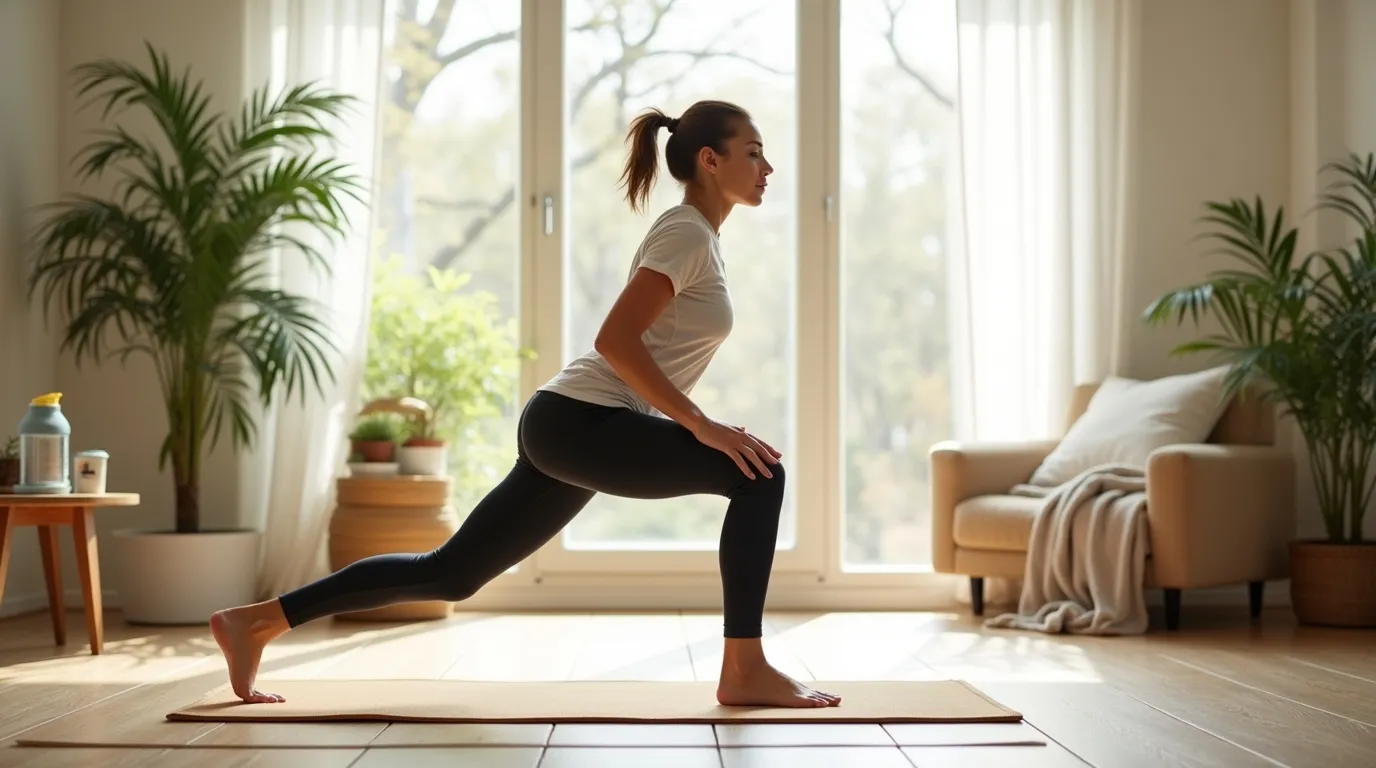
The routine combines squats, push-ups, jumping jacks, lunges, and planks into a continuous circuit with minimal rest.
A simple structure could include:
- 20 squats
- 10 push-ups
- 30 seconds of jumping jacks
- 10 lunges per leg
- 30-second plank
Repeat the cycle two or three times.
Fitness coaches say short circuits help improve cardiovascular endurance while working multiple muscle groups simultaneously.
2. Brisk Indoor Walking or Stair Sessions
Walking remains one of the most recommended forms of exercise worldwide.
The American Heart Association continues to recommend regular moderate-intensity movement, such as brisk walking, to support heart health and reduce sedentary behavior.
For those unable to go outdoors regularly, indoor walking routines or repeated stair climbs can also increase heart rate effectively.
Fitness experts recommend:
- 15 to 20 minutes of brisk indoor walking
- Repeated stair climbing
- Marching in place during work breaks
The key, experts say, is consistent movement.
Even short activity breaks during long sitting periods can boost circulation and energy levels.
3. Bodyweight Strength Training
One of the biggest changes in fitness guidance for 2026 is the growing focus on strength training for everyday health, not just bodybuilding.
The ACSM’s updated position on resistance training reviewed more than 137 studies involving over 30,000 participants.
The findings reinforced that bodyweight exercises performed at home can improve:
- Strength
- Balance
- Functional movement
- Long-term mobility
A basic bodyweight routine can include:
- Squats
- Wall sits
- Push-ups
- Glute bridges
- Chair dips
- Planks
Experts emphasize that strength training is particularly important as people age because it helps preserve muscle and mobility.
4. Mobility and Stretching Workouts
Mobility training has become a significant fitness trend in 2026.
The ACSM now groups yoga, Pilates, and mobility work under “Balance, Flow, and Core Strength,” reflecting growing demand for workouts that support flexibility, recovery, and mental well-being.
Simple stretching sessions can help:
- Reduce stiffness
- Improve posture
- Ease stress
- Enhance recovery from sedentary workdays
A 15-minute mobility routine may include:
- Neck rolls
- Hip stretches
- Cat-cow stretches
- Hamstring stretches
- Shoulder mobility drills
Experts say these exercises are especially helpful for office workers spending long hours at desks.
5. Core Workouts for Stability and Posture
Core workouts remain some of the most accessible home fitness options because they require little or no equipment.
Exercises such as:
- Planks
- Bicycle crunches
- Leg raises
- Mountain climbers
- Russian twists
can strengthen abdominal muscles while promoting posture and lower back stability.
Health specialists note that stronger core muscles improve movement efficiency during daily tasks, especially for those sitting for extended periods.
Many trainers now recommend short core sessions during work breaks instead of waiting for a dedicated gym visit.
6. Dance Cardio and Music-Based Fitness
For those who dislike traditional workouts, dance-based exercise is gaining popularity.
Fitness analysts say enjoyment is crucial for long-term commitment.
The updated 2026 resistance-training guidance repeatedly emphasizes that people are more likely to stick with routines they enjoy.
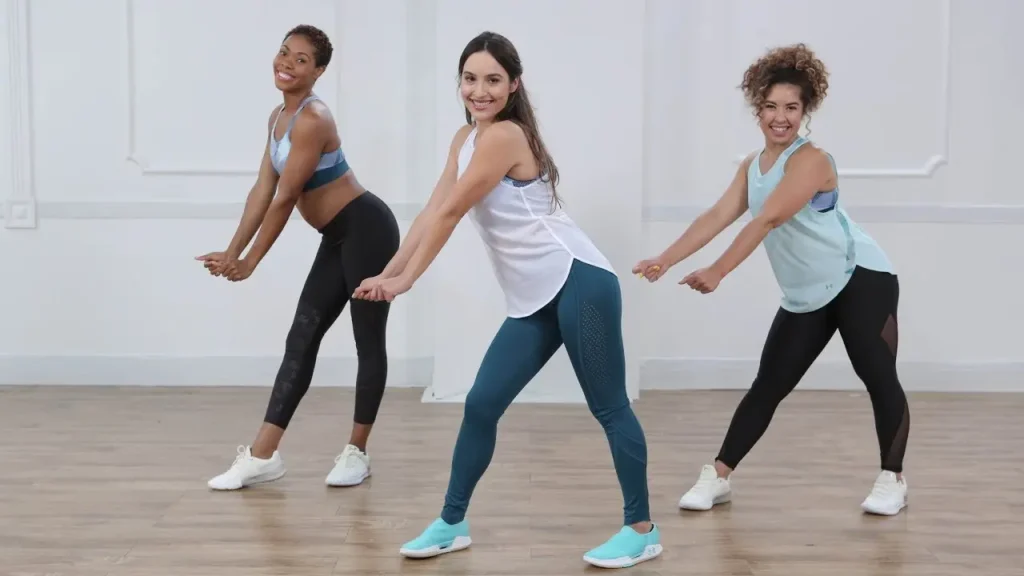
Dance cardio sessions can include:
- Afrobeat dance routines
- Aerobic dance workouts
- Rhythm-based cardio
- Online guided dance fitness sessions
These workouts can boost cardiovascular endurance while helping to reduce stress.
Mental wellness is now a key part of modern fitness conversations, according to various 2026 fitness trend reports.
7. The “Micro Workout” Strategy
Perhaps the most practical approach for busy individuals is the rise of “micro workouts.”
Instead of one long session, people break exercise into small chunks throughout the day.
Examples include:
- Five-minute stretching in the morning
- Ten-minute walk during lunch
- Quick squats between meetings
- Evening push-up or plank sessions
Health experts stress that accumulated movement is still valuable. The WHO continues to emphasize that some physical activity is better than none. Also, fitness professionals say this method is especially effective for beginners who struggle with motivation or consistency.
Discipline Is Becoming the Real Fitness Trend
In 2026, the fitness conversation is shifting from aesthetics alone.
Experts increasingly view exercise as a long-term investment in energy, mobility, productivity, and mental resilience.
Global health organizations continue to warn that physical inactivity is a significant public health challenge. A recent analysis found that roughly one in three adults still does not meet recommended activity levels.
Yet fitness specialists argue that the solution may be simpler than many think.
- You don’t need elite equipment.
- You don’t need luxury gyms.
- You don’t need perfect routines.
What matters most is showing up consistently.
In a world focused on convenience and distractions, discipline itself may now be the most powerful workout tool available.