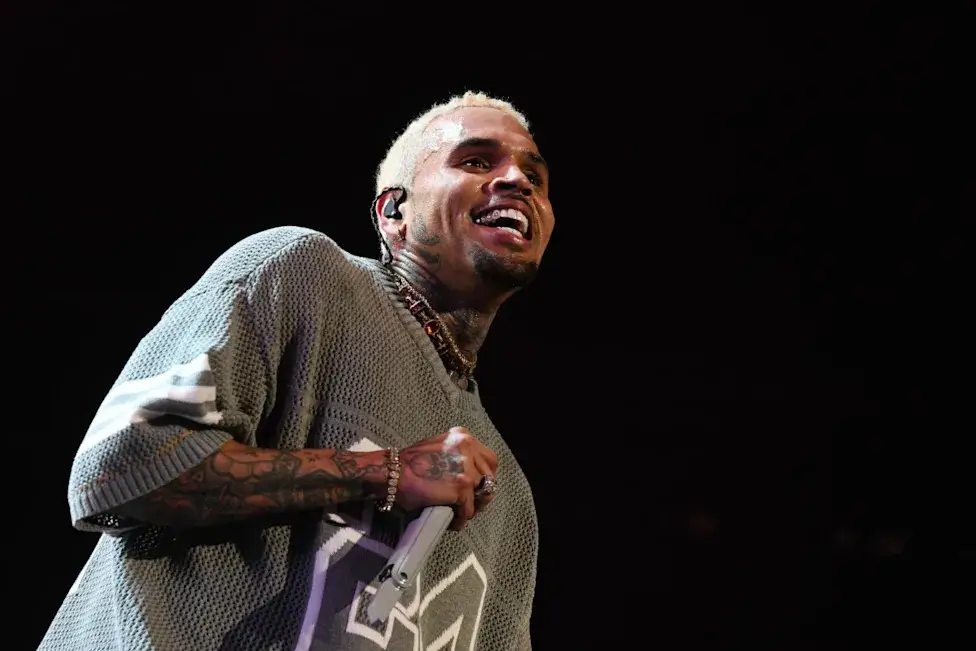
In a direct and candid response this week, R&B star Chris Brown addressed criticism after the widely circulated Pitchfork review of his twelfth studio album, Brown. He made it clear he was not afraid to call out Swedish pop star Zara Larsson in the process. His comments have rekindled discussions about artistic critique, accountability, and the current state of music journalism.
Released on May 8 through RCA Records and CBE, Brown, stylized in all caps to mean Break Rules Only When Necessary, marks another bold chapter in his extensive career. The album features 27 tracks and includes collaborations with well-known artists like Bryson Tiller, GloRilla, Leon Thomas, YoungBoy Never Broke Again, and others.
Despite the star-studded lineup and a promotional push that featured co-headlining dates with Usher for “The R&B Tour,” critical response, especially from Pitchfork, has been overwhelmingly negative. This has sparked controversy and debate across social media.
Pitchfork Review Ignites Backlash
Pitchfork’s review of Brown, published soon after the album’s release, was unusually harsh for a mainstream outlet. The critic scored the record a 1.3 out of 10, a rating that quickly spread online along with the blunt judgment that the album was “a piece of sh‑t.” The review accused Brown of creating “soulless, hit‑chasing music” that lacked creativity and emotional depth. It argued that the album served more to promote a personal narrative than to connect with audiences as art.
Critics on social media have pointed out the extreme language and rating, with some defending Brown’s long-standing commercial success and loyal fans. Others reconsidered the purpose of critical evaluation in music journalism. The intensity of Pitchfork’s review also brought comparisons to other notable reviews in recent years, including mixed reactions to albums by artists like Ice Spice and retrospectives of Michael Jackson’s work.
Brown’s Instagram Response: Defiant, Personal, and Public
Refusing to let the critique go unchallenged, Brown took to Instagram late Tuesday night with one of his most honest responses yet. In a raw video, he dismissed the review and spoke directly to his supporters. “F‑ that! We kickin’ they ass, goddamnit,” he said, using a combative tone to emphasize his rejection of the negative opinions. “We ain’t lettin’ up. I’mma keep my foot on they neck, and we ain’t stoppin’. You heard me?”
Brown reaffirmed his confidence in the album’s appeal and urged critics to find something else to listen to if they did not like it. “If you’re not my fan, I don’t want you to listen to my s‑t. Go listen to motherf‑‑king Zara Larsson or something,” he said, making a clear reference to Larsson.
Zara Larsson Mention: A Subtext of Tension
Brown’s reference to Zara Larsson was strategic. Earlier this year, she made headlines by publicly stating she had blocked Brown on Spotify and other platforms, saying she does not listen to music from those she considers “abusers.” While Larsson hasn’t directly participated in this recent social media exchange, Brown’s mention of her highlights how personal histories can intersect with public discussions about art.
Bringing Larsson into his response to criticism showcases a deeper cultural tension concerning accountability, criticism, and the complicated legacies of artists whose personal conduct is closely examined alongside their work.
Public Response and Industry Implications
The backlash to the Pitchfork review and Brown’s reply has turned into a trending topic on X (formerly Twitter) and Instagram, with fans and commentators weighing in on both sides. Some have rallied in support of Brown’s artistic freedom, arguing that established artists deserve more thoughtful evaluations instead of outright rejections. Others view Brown’s response as part of a broader resistance to accountability in critique or artistic reflection.
At its core, this situation reveals the shifting dynamics in music culture, where streaming numbers, fan loyalty, media critiques, and social media interactions come together. These factors influence how albums succeed or fail in the public eye. Brown, a key figure in R&B for nearly 20 years, clearly believes that his music speaks to a loyal audience that goes beyond critics; this self-confidence will likely shape the album’s legacy as much as its chart success.
What Comes Next?
Listeners will be closely watching Brown’s commercial success in the upcoming weeks as sales and streaming figures begin to clarify the album’s impact. Additionally, his co-headlining tour with Usher, set to start in June, adds another layer of anticipation. Fans are eager to see if live performances will change both critical and public views.
No matter the outcome, this chapter of Brown’s career, marked by a bold artistic statement and an unapologetic response to criticism, highlights the ongoing conversation about artistry, accountability, and the role of critics in shaping modern music culture.

![Box Office Breakdown: Did [Black-Led Films] Dominate Summer 2026?](https://blackelites.com/wp-content/uploads/2026/10/Box-Office-768x432.png)