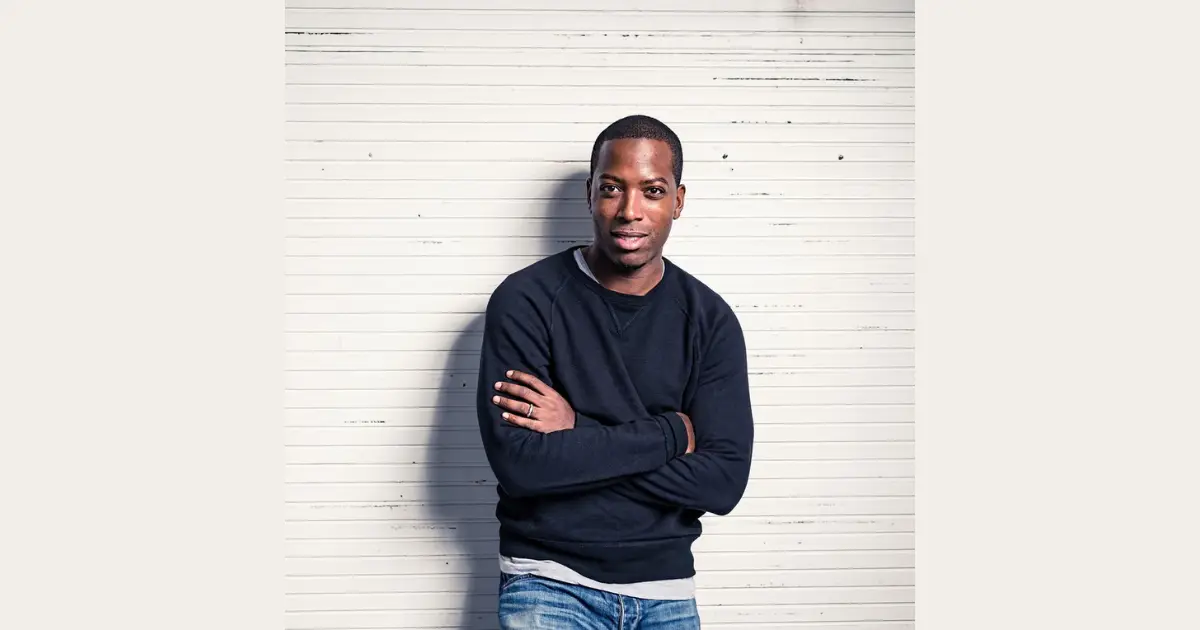
Tristan Walker did not raise millions for Walker & Company by merely selling investors a razor. He raised funds by promoting a larger idea: that people of color deserved personal-care products specifically designed to meet their real needs, rather than being relegated to the bottom shelf of mainstream retail.
Founded in 2013, Walker & Company is the parent company of Bevel, a grooming brand made for coarse and curly hair, and later, FORM Beauty, a hair-care line for curly and coily textures. By 2015, the company had raised $33.3 million, attracted major venture firms from Silicon Valley, and secured a significant retail partnership with Target.
What Problem did Walker & Company Solve?
Walker & Company started with a simple, yet often overlooked, fact: many Black men and men with coarse or curly hair dealt with razor bumps, irritation, and products that weren’t made for them. Walker’s personal experiences influenced the business. In an early interview, he expressed the desire to create something “truly authentic,” stemming from a problem he understood well.
This authenticity became the centerpiece of the company’s mission. Walker argued that Bevel was not just about selling razors; it highlighted how beauty and grooming companies had let down a large and culturally important group of consumers for decades. “Walker & Company exists for one reason,” he stated in 2013: “To make health and beauty simple for people of color.”
How Much did Tristan Walker Raise?
Walker & Company’s fundraising journey unfolded in stages. The company first secured $2.4 million in seed funding, led by Upfront Ventures, with support from Andreessen Horowitz, SV Angel, Collaborative Fund, Sherpa Ventures, and Charles King of William Morris Endeavor. This initial funding helped Walker launch Bevel as the first brand under the Walker & Company umbrella.
In June 2014, Walker & Company raised $6.9 million in a Series A funding round led by Andreessen Horowitz. The round also included Upfront Ventures, Collaborative Fund, Daher Capital, and Ron Johnson’s Johnson + Partners. Jeff Jordan of Andreessen Horowitz joined the newly formed board, providing Walker with not only capital but also credibility in Silicon Valley.
The breakthrough came in September 2015, when Walker & Company announced a $24 million Series B round led by Institutional Venture Partners. This funding round brought the total to $33.3 million and included Andreessen Horowitz, Upfront Ventures, Daher Capital, Collaborative Fund, Google Ventures, Felicis Ventures, and Melo7 Tech Partners. Notable individual investors included Magic Johnson, John Legend, King Bach, Ron Johnson, Ryan Leslie, Andre Iguodala, Harrison Barnes, Charles King, and John Maeda.
Why Investors Believed in the Business
The fundraising was successful because Walker positioned the company at the crossroads of culture, commerce, and consumer neglect. He recognized a market that others underestimated. In a venture landscape often focused on software and scalability, Walker argued that consumer packaged goods could be reinvented with the quickness, design focus, and customer engagement of a tech company.
However, his pitch faced challenges. Walker later recounted that some investors viewed Bevel as too small or too niche. On Masters of Scale, he reflected the doubts he heard: “It’s niche. I don’t think it’s scalable.” But one investor’s belief made a difference. When he presented the idea to Ben Horowitz, the response was straightforward: “That’s the idea.”
That moment held weight because Walker needed to persuade investors who often did not represent his target market. He had to translate personal experience into business logic. His message was clear: people of color were not a niche; they were a significant global consumer group whose needs had been overlooked.
The Target Deal that Changed the Story
The 2015 Series B was about more than just funding. Walker & Company also revealed that Bevel would be available in select Target stores and on Target.com starting in early 2016. This provided the company with strong retail validation while securing its largest funding round. For investors, the partnership with Target suggested that Bevel could expand beyond direct-to-consumer subscriptions and enter mainstream retail without sacrificing its identity.
Walker expressed excitement about bringing Bevel to Target customers while ensuring high standards for product quality and customer service. This strategy was crucial; Bevel could build trust online, gather direct customer feedback, and leverage retail to enhance brand awareness and sales.
Building More than a Razor Company
Walker consistently challenged the idea that he only created a shaving startup. Bevel was the starting point, but Walker & Company aimed for something broader: health and beauty products designed for people of color. The company later launched FORM Beauty, a line specifically for curly and coily hair textures. Walker stated that both Bevel and FORM shared one common goal: every brand had to “solve a problem.”
This problem-first approach set the company apart. In 2018, Walker emphasized that the mission was not only to create products but to address a gap in the market. “I decided that people of color deserved better,” he told the NRF Foundation, sharing the frustration that motivated him to start Bevel.
The P&G Acquisition
In December 2018, Procter & Gamble acquired Walker & Company Brands for an undisclosed amount. This deal brought Walker & Company into one of the world’s largest consumer goods companies, while allowing it to function independently. Walker remained CEO at that time, and the company planned to relocate its team from Palo Alto to Atlanta.
For Walker, the P&G deal was not an exit from his mission; it was a way to accelerate it. “We’re not going anywhere,” he asserted, clarifying that the company’s purpose continued to focus on serving people of color with better products and experiences.
The acquisition also strengthened P&G’s position in multicultural beauty and grooming. For Walker, it validated an idea once seen as niche: a company centered on overlooked consumers could attract top-tier venture capital, secure retail shelf space, and become valuable to a global consumer goods powerhouse.
Where Tristan Walker Stands in 2026
As of the latest corporate profile, Walker founded Walker & Company in 2013, led it through its 2018 merger with Procter & Gamble, and served as CEO until June 2023. He now sits on the board of Shake Shack and is the founder of Heirloom Management Co., an investment fund focused on culturally relevant products and services.
Bevel remains active as a Walker & Company brand, featuring products for shaving, skin, beard care, body care, and grooming tools on its official site in 2026.
Why Tristan Walker’s Fundraising Story still Matters
Tristan Walker’s story goes beyond raising $33.3 million. It illustrates how a founder turned personal frustration into market insight, that insight into a brand, and that brand into a company strong enough to attract backing from Andreessen Horowitz, IVP, Google Ventures, celebrity investors, Target, and eventually, Procter & Gamble.
His lesson for founders is clear: capital follows clarity. Walker understood the customer, recognized the pain point, and built around a market that others dismissed. He didn’t wait for the industry to acknowledge the problem before taking action. His advice to aspiring retail founders was simple: “Just start.”
That is why Walker & Company continues to be a case study in modern brand-building. It demonstrated that underserved doesn’t mean small, culturally specific doesn’t mean limited, and a founder’s lived experience can become a significant advantage when combined with discipline, product quality, and the right investors.